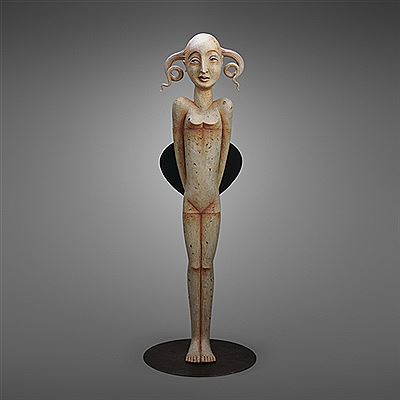
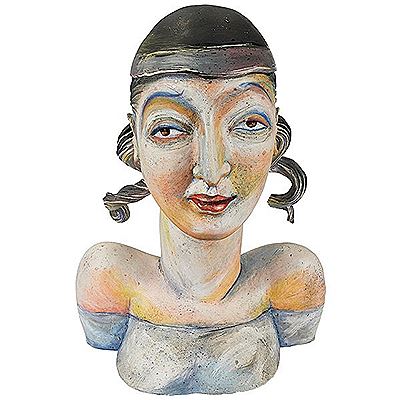
Patti Warashina was born in Seattle, Washington in 1940. She is called the queen of Northwest ceramics. In the 1960s, she was part of a cadre of young rebel artists who expanded the boundaries of... Read full biography
Patti Warashina was born in Seattle, Washington in 1940. She is called the queen of Northwest ceramics. In the 1960s, she was part of a cadre of young rebel artists who expanded the boundaries of clay as an art medium. She began teaching in 1964 and helped grow the ceramics program at the... Read full biography
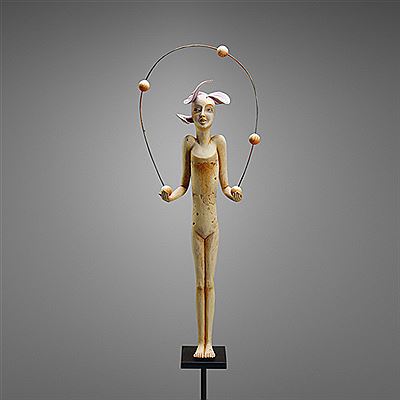
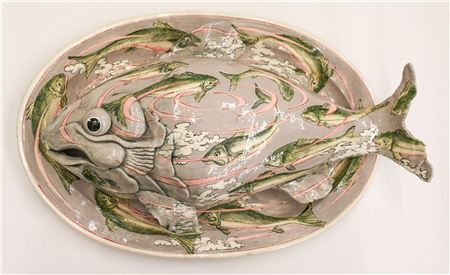
Patti Warashina was born in Seattle, Washington in 1940. She is called the queen of Northwest ceramics. In the 1960s, she was part of a cadre of young rebel artists who expanded the boundaries of clay as an art medium. She began teaching in 1964 and helped grow the ceramics program at the University of Washington’s School of Art, into one of the best-known in the United States. Warashina’s work is often humorous, and she uses sculpture to explore such themes as the human condition, feminism,... Read full biography
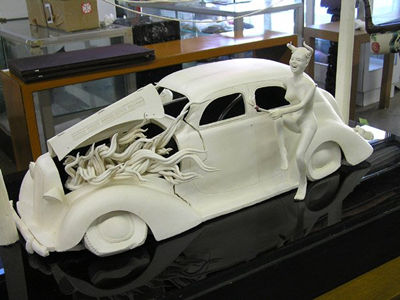
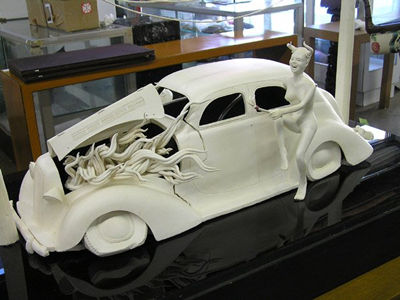
Patti Warashina was born in Seattle, Washington in 1940. She is called the queen of Northwest ceramics. In the 1960s, she was part of a cadre of young rebel artists who expanded the boundaries of clay as an art medium. She began teaching in 1964 and helped grow the ceramics program at the University of Washington’s School of Art, into one of the best-known in the United States. Warashina’s work is often humorous, and she uses sculpture to explore such themes as the human condition, feminism, the macho car-culture, and political and social topics. She often places clay figures in imagined environments and to tell stories. In 1984, the Seattle Arts Commission chose her for a prestigious public-art commission that became one of the city’s... Read full biography
Patti Warashina was born in Seattle, Washington in 1940. She is called the queen of Northwest ceramics. In the 1960s, she was part of a cadre of young rebel artists who expanded the boundaries of clay as an art medium. She began teaching in 1964 and helped grow the ceramics program at the University of Washington’s School of Art, into one of the best-known in the United States. Warashina’s work is often humorous, and she uses sculpture to explore such themes as the human condition, feminism, the macho car-culture, and political and social topics. She often places clay figures in imagined environments and to tell stories. In 1984, the Seattle Arts Commission chose her for a prestigious public-art commission that became one of the city’s most celebrated artworks. A Procession, a 4’ by 10’ x 3’ tableau built of... Read full biography
Patti Warashina - Art Prices in Auction LotsAuction Lots