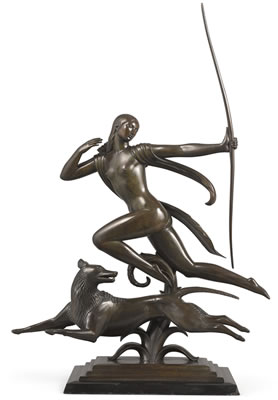
Born in St. Paul, Minnesota, Paul Manship became a leading influence in contemporary sculpture from the 1920s to the end of World War II. His work was "distinguished by their simplified and... Read full biography
Born in St. Paul, Minnesota, Paul Manship became a leading influence in contemporary sculpture from the 1920s to the end of World War II. His work was "distinguished by their simplified and polychromatic forms, clean sinuous lines, slender curves, and lyrical surfaces" (Reynolds 241). His subjects... Read full biography
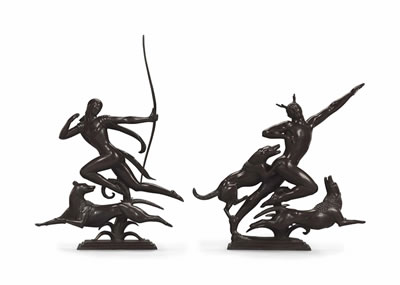
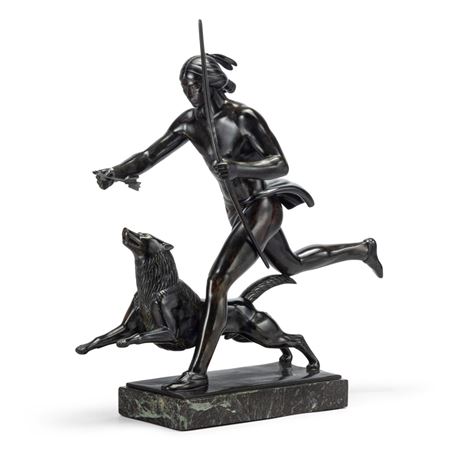
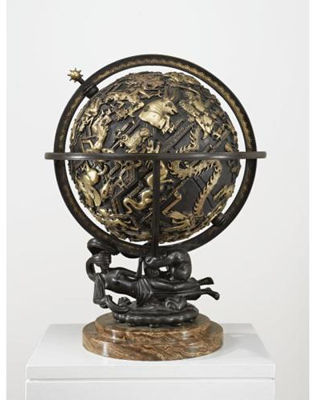
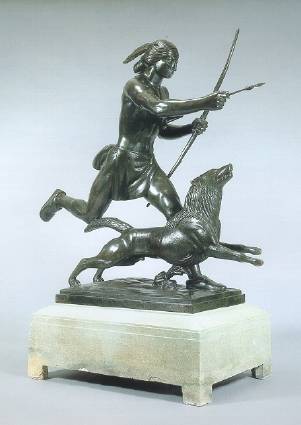
Born in St. Paul, Minnesota, Paul Manship became a leading influence in contemporary sculpture from the 1920s to the end of World War II. His work was "distinguished by their simplified and polychromatic forms, clean sinuous lines, slender curves, and lyrical surfaces" (Reynolds 241). His subjects often hearkened back to ancient or classical themes and his style, emphasizing simple lines, combined Greek and Oriental influences as well as Art Deco that was so popular in the 1920s and 1930s.... Read full biography
Born in St. Paul, Minnesota, Paul Manship became a leading influence in contemporary sculpture from the 1920s to the end of World War II. His work was "distinguished by their simplified and polychromatic forms, clean sinuous lines, slender curves, and lyrical surfaces" (Reynolds 241). His subjects often hearkened back to ancient or classical themes and his style, emphasizing simple lines, combined Greek and Oriental influences as well as Art Deco that was so popular in the 1920s and 1930s. Manship attended the Institute of Art in St. Paul from 1892 to 1903. Then he enrolled briefly in the Art Students League, where he assisted Solon Borglum in stone carving projects before transferring to the Pennsylvania Academy of Fine Arts. From 1909 to... Read full biography
Born in St. Paul, Minnesota, Paul Manship became a leading influence in contemporary sculpture from the 1920s to the end of World War II. His work was "distinguished by their simplified and polychromatic forms, clean sinuous lines, slender curves, and lyrical surfaces" (Reynolds 241). His subjects often hearkened back to ancient or classical themes and his style, emphasizing simple lines, combined Greek and Oriental influences as well as Art Deco that was so popular in the 1920s and 1930s. Manship attended the Institute of Art in St. Paul from 1892 to 1903. Then he enrolled briefly in the Art Students League, where he assisted Solon Borglum in stone carving projects before transferring to the Pennsylvania Academy of Fine Arts. From 1909 to 1912, he was at the American Academy in Rome and began to make garden and architectural sculpture.... Read full biography
Paul Howard Manship - Art Prices in Auction LotsAuction Lots