Lu Peng is a noted Chinese contemporary artist and professor. Born in 1967 in Beijing, Lu lives and works there today. Lu Peng should not be confused with Chinese critic and curator, Lv Peng. Lu... Read full biography
Lu Peng is a noted Chinese contemporary artist and professor. Born in 1967 in Beijing, Lu lives and works there today. Lu Peng should not be confused with Chinese critic and curator, Lv Peng. Lu Peng's works are a collection of personal experiences, memories and fantasies, a metaphor for the... Read full biography
Lu Peng is a noted Chinese contemporary artist and professor. Born in 1967 in Beijing, Lu lives and works there today. Lu Peng should not be confused with Chinese critic and curator, Lv Peng. Lu Peng's works are a collection of personal experiences, memories and fantasies, a metaphor for the estrangement and intimacy of contemporary China. The technique is traditional Chinese, ink and colour on paper, while the subject matter is everything but traditional, a chaotic and fascinating mix of the... Read full biography
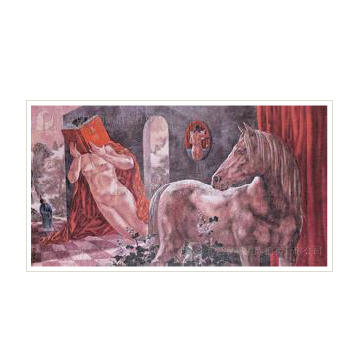
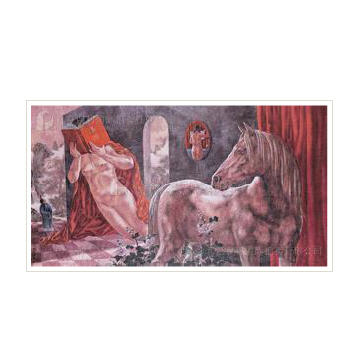
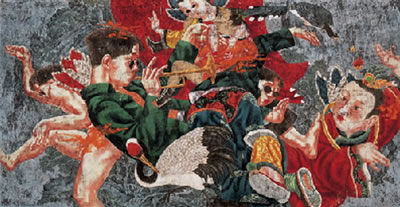
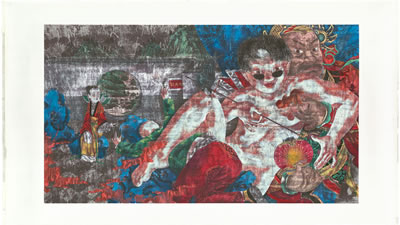
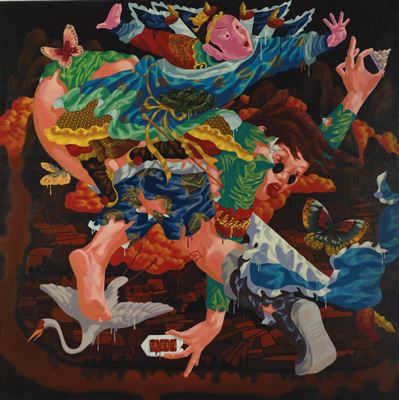
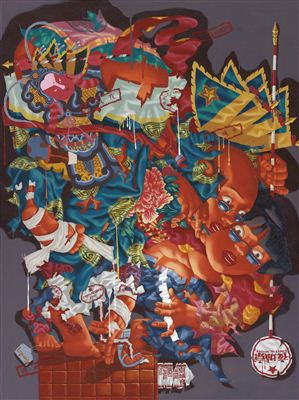
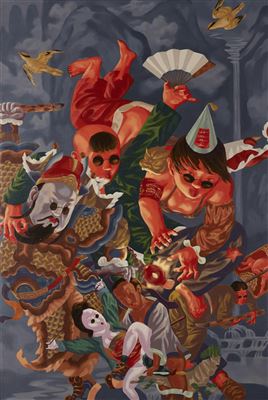
Lu Peng is a noted Chinese contemporary artist and professor. Born in 1967 in Beijing, Lu lives and works there today. Lu Peng should not be confused with Chinese critic and curator, Lv Peng. Lu Peng's works are a collection of personal experiences, memories and fantasies, a metaphor for the estrangement and intimacy of contemporary China. The technique is traditional Chinese, ink and colour on paper, while the subject matter is everything but traditional, a chaotic and fascinating mix of the traditional, the communist and the consumer. Fragments of classical Chinese architecture and landscape are interrupted by skyscrapers. Deities from the past cavort with fashion goddesses of the present who sport the red arm band of the members of the... Read full biography
Lu Peng is a noted Chinese contemporary artist and professor. Born in 1967 in Beijing, Lu lives and works there today. Lu Peng should not be confused with Chinese critic and curator, Lv Peng. Lu Peng's works are a collection of personal experiences, memories and fantasies, a metaphor for the estrangement and intimacy of contemporary China. The technique is traditional Chinese, ink and colour on paper, while the subject matter is everything but traditional, a chaotic and fascinating mix of the traditional, the communist and the consumer. Fragments of classical Chinese architecture and landscape are interrupted by skyscrapers. Deities from the past cavort with fashion goddesses of the present who sport the red arm band of the members of the ubiquitous neighbourhood surveillance committees or, on their backs, red flags from the Chinese opera. (chinesecontemporary.com)... Read full biography