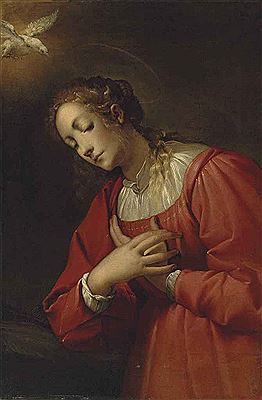
1571 - 1626. Known for: Mannerist tradition, naturalistic style, dramatic realism.
Pier Francesco Mazzucchelli was an artist who flourished in the 17th century. The canvas discussed in the text is a study for a larger composition executed in the early 1600s. While there is no known...
Read full biography Pier Francesco Mazzucchelli was an artist who flourished in the 17th century. The canvas discussed in the text is a study for a larger composition executed in the early 1600s. While there is no known finished work of a similar subject by the artist, the figures, faces, chromatic tenor, and shapes...
Read full biography Pier Francesco Mazzucchelli was an artist who flourished in the 17th century. The canvas discussed in the text is a study for a larger composition executed in the early 1600s. While there is no known finished work of a similar subject by the artist, the figures, faces, chromatic tenor, and shapes in the study align well with Mazzucchelli's style. The artwork demonstrates a naturalistic approach inspired by the mannerist tradition, with a notable quality and expressive force, particularly seen...
Read full biography Pier Francesco Mazzucchelli was an artist who flourished in the 17th century. The canvas discussed in the text is a study for a larger composition executed in the early 1600s. While there is no known finished work of a similar subject by the artist, the figures, faces, chromatic tenor, and shapes in the study align well with Mazzucchelli's style. The artwork demonstrates a naturalistic approach inspired by the mannerist tradition, with a notable quality and expressive force, particularly seen in the figure of the beggar. Mazzucchelli's style reflects a blend of Caravaggio-esque dramatic realism and Lombard creative autonomy, resonating with the Borromean reform and the figurative needs of the Sacred Mountains.Catalog of Pier Francesco...
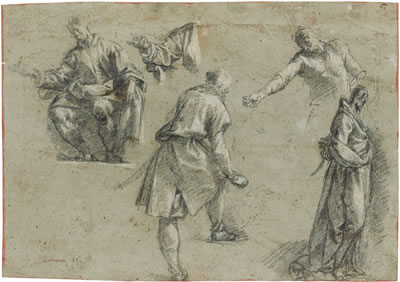
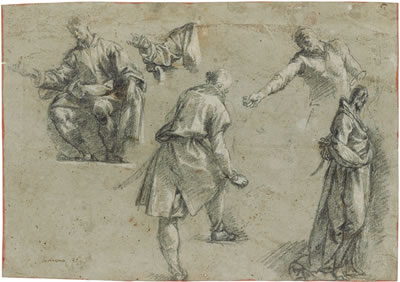
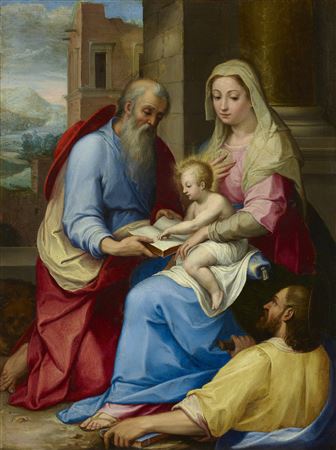
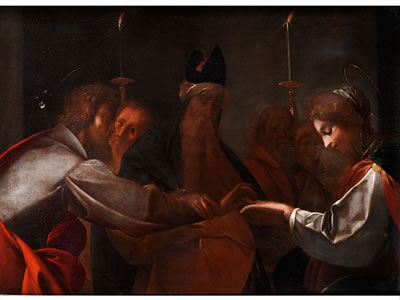
Read full biography Pier Francesco Mazzucchelli was an artist who flourished in the 17th century. The canvas discussed in the text is a study for a larger composition executed in the early 1600s. While there is no known finished work of a similar subject by the artist, the figures, faces, chromatic tenor, and shapes in the study align well with Mazzucchelli's style. The artwork demonstrates a naturalistic approach inspired by the mannerist tradition, with a notable quality and expressive force, particularly seen in the figure of the beggar. Mazzucchelli's style reflects a blend of Caravaggio-esque dramatic realism and Lombard creative autonomy, resonating with the Borromean reform and the figurative needs of the Sacred Mountains.Catalog of Pier Francesco Mazzucchelli by Enos Malagutti