1723 - 1769. Known for: Painting.
Pierre-Antoine Baudouin, son of an engraver and etcher, entered the Academie Royale in 1763 and exhibited annually in the Paris salons between 1761 and his death in 1769. Like Boucher he was also in...
Read full biography Pierre-Antoine Baudouin, son of an engraver and etcher, entered the Academie Royale in 1763 and exhibited annually in the Paris salons between 1761 and his death in 1769. Like Boucher he was also in the service of Madame de Pompadour, for whom he created several religious works in Versailles. His...
Read full biography Pierre-Antoine Baudouin, son of an engraver and etcher, entered the Academie Royale in 1763 and exhibited annually in the Paris salons between 1761 and his death in 1769. Like Boucher he was also in the service of Madame de Pompadour, for whom he created several religious works in Versailles. His oeuvre comprises mainly detailed gouaches, watercolors and drawings with voluptuous and lubricious subjects, of which some were disseminated in prints. Denis Diderot described the artist at the time of...
Read full biography Pierre-Antoine Baudouin, son of an engraver and etcher, entered the Academie Royale in 1763 and exhibited annually in the Paris salons between 1761 and his death in 1769. Like Boucher he was also in the service of Madame de Pompadour, for whom he created several religious works in Versailles. His oeuvre comprises mainly detailed gouaches, watercolors and drawings with voluptuous and lubricious subjects, of which some were disseminated in prints. Denis Diderot described the artist at the time of the Paris Salon in 1765: A "Bon garcon, qui a de la figure, de la douceur, de l'esprit, un peu libertin."("Good boy, that of the figure, the sweetness of the spirit, a little libertine.")
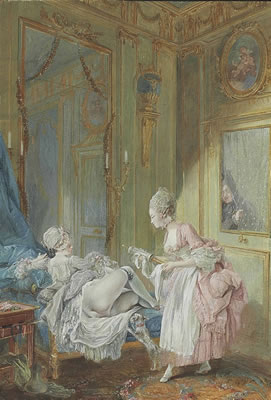
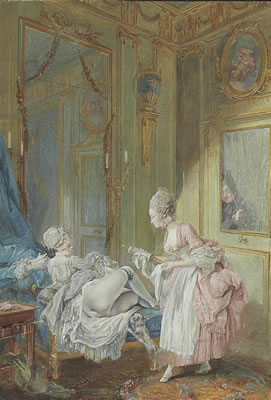
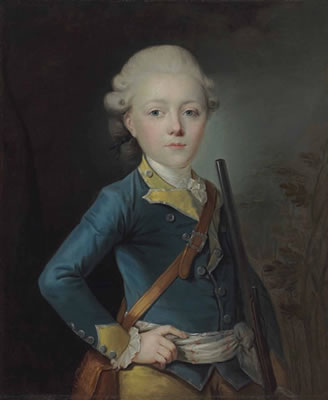
Pierre-Antoine Baudouin, son of an engraver and etcher, entered the Academie Royale in 1763 and exhibited annually in the Paris salons between 1761 and his death in 1769. Like Boucher he was also in the service of Madame de Pompadour, for whom he created several religious works in Versailles. His oeuvre comprises mainly detailed gouaches, watercolors and drawings with voluptuous and lubricious subjects, of which some were disseminated in prints. Denis Diderot described the artist at the time of the Paris Salon in 1765: A "Bon garcon, qui a de la figure, de la douceur, de l'esprit, un peu libertin."("Good boy, that of the figure, the sweetness of the spirit, a little libertine.")