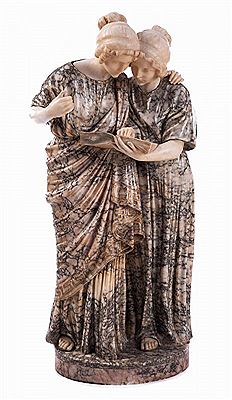
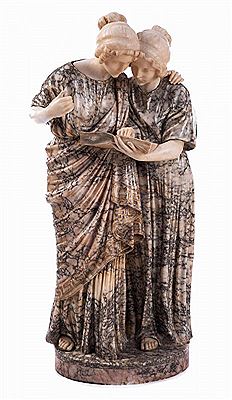
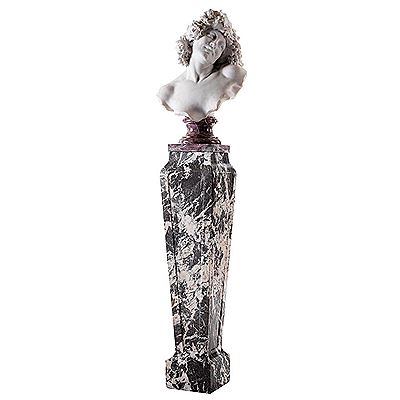
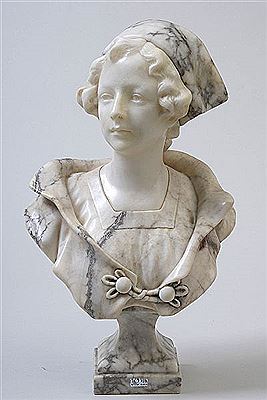
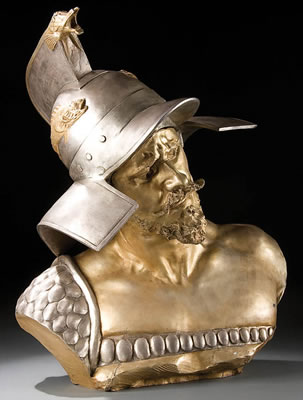
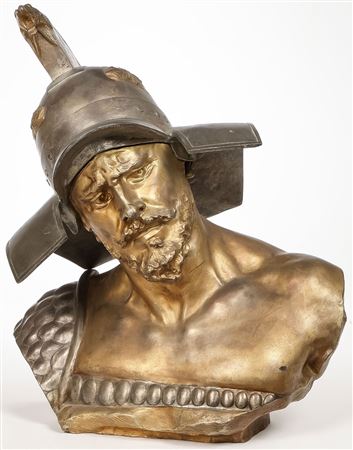
1834 - 1914. Known for: Female figure sculpture and portrait busts.
Richard Aurili was born in 1834 in Italy and became an Italian sculptor whose career developed across Belgium and France. Aurili lived and exhibited in Belgium until 1890, participating in the...
Read full biography Richard Aurili was born in 1834 in Italy and became an Italian sculptor whose career developed across Belgium and France. Aurili lived and exhibited in Belgium until 1890, participating in the region’s artistic circles and establishing his early reputation. He later moved to Paris, where Richard...
Read full biography Richard Aurili was born in 1834 in Italy and became an Italian sculptor whose career developed across Belgium and France. Aurili lived and exhibited in Belgium until 1890, participating in the region’s artistic circles and establishing his early reputation. He later moved to Paris, where Richard Aurili continued his practice and presented his work at the Salon des Artistes Français, integrating himself into the broader French academic sculpture tradition. Aurili’s career reflects the mobility...
Read full biography Richard Aurili was born in 1834 in Italy and became an Italian sculptor whose career developed across Belgium and France. Aurili lived and exhibited in Belgium until 1890, participating in the region’s artistic circles and establishing his early reputation. He later moved to Paris, where Richard Aurili continued his practice and presented his work at the Salon des Artistes Français, integrating himself into the broader French academic sculpture tradition. Aurili’s career reflects the mobility of many nineteenth-century European sculptors, and his work demonstrates the stylistic exchange between Italian training and French exhibition culture. Through his activity in Belgium and Paris, Richard Aurili contributed to the international...
Read full biography Richard Aurili was born in 1834 in Italy and became an Italian sculptor whose career developed across Belgium and France. Aurili lived and exhibited in Belgium until 1890, participating in the region’s artistic circles and establishing his early reputation. He later moved to Paris, where Richard Aurili continued his practice and presented his work at the Salon des Artistes Français, integrating himself into the broader French academic sculpture tradition. Aurili’s career reflects the mobility of many nineteenth-century European sculptors, and his work demonstrates the stylistic exchange between Italian training and French exhibition culture. Through his activity in Belgium and Paris, Richard Aurili contributed to the international sculptural landscape of his time, producing works that aligned with the tastes and expectations of late nineteenth-century audiences.