1867 - 1920. Known for: Painting.
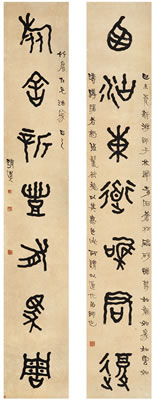
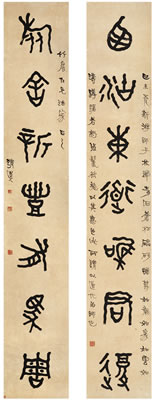
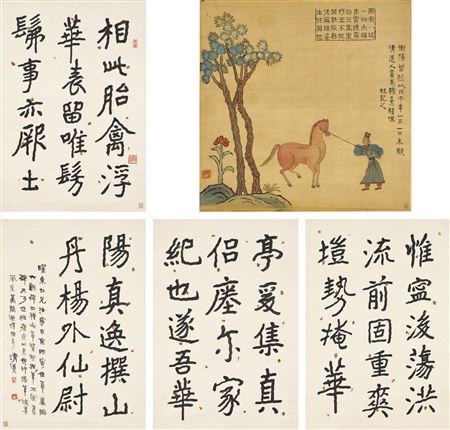
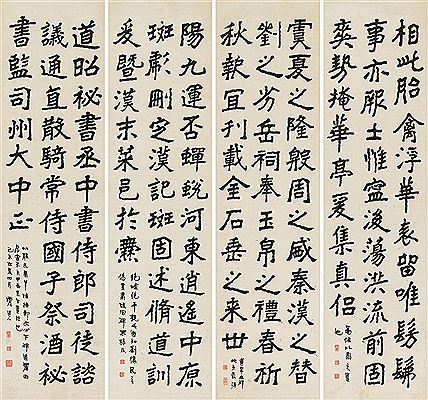
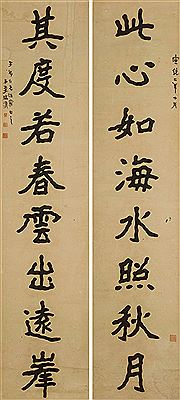
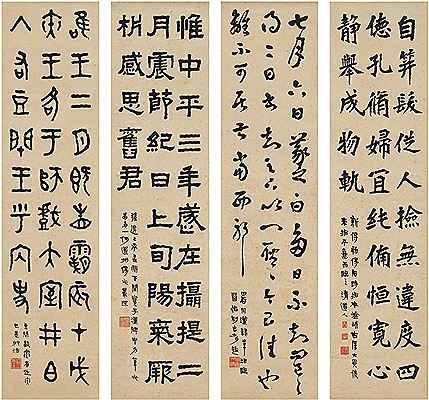
Li Ruiqing was born in 1867 and is known for his calligraphy in seal and clerical script. From childhood, he studied epigraphy from the Han and Wei dynasty and inscriptions from Shang and Zhou...
Read full biography Li Ruiqing was born in 1867 and is known for his calligraphy in seal and clerical script. From childhood, he studied epigraphy from the Han and Wei dynasty and inscriptions from Shang and Zhou bronzes. An important calligrapher in Chinese history, Li Ruiqing was also a significant education...
Read full biography Li Ruiqing was born in 1867 and is known for his calligraphy in seal and clerical script. From childhood, he studied epigraphy from the Han and Wei dynasty and inscriptions from Shang and Zhou bronzes. An important calligrapher in Chinese history, Li Ruiqing was also a significant education reformer in the late Qing period. He was a pioneer who supported art education. After the Qing dynasty fell, he was still loyal to the imperial court and began to wear Daoist robes. He named himself Qing...
Read full biography Li Ruiqing was born in 1867 and is known for his calligraphy in seal and clerical script. From childhood, he studied epigraphy from the Han and Wei dynasty and inscriptions from Shang and Zhou bronzes. An important calligrapher in Chinese history, Li Ruiqing was also a significant education reformer in the late Qing period. He was a pioneer who supported art education. After the Qing dynasty fell, he was still loyal to the imperial court and began to wear Daoist robes. He named himself Qing Daoren, which means a Daoist who came from the Qing dynasty. On his work he often signed Qing Daren. Ruiqing Li passed away in 1920.
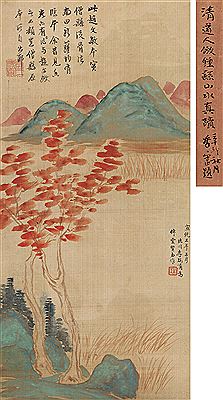
Li Ruiqing was born in 1867 and is known for his calligraphy in seal and clerical script. From childhood, he studied epigraphy from the Han and Wei dynasty and inscriptions from Shang and Zhou bronzes. An important calligrapher in Chinese history, Li Ruiqing was also a significant education reformer in the late Qing period. He was a pioneer who supported art education. After the Qing dynasty fell, he was still loyal to the imperial court and began to wear Daoist robes. He named himself Qing Daoren, which means a Daoist who came from the Qing dynasty. On his work he often signed Qing Daren. Ruiqing Li passed away in 1920.