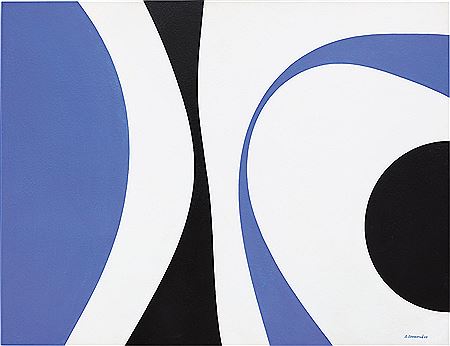
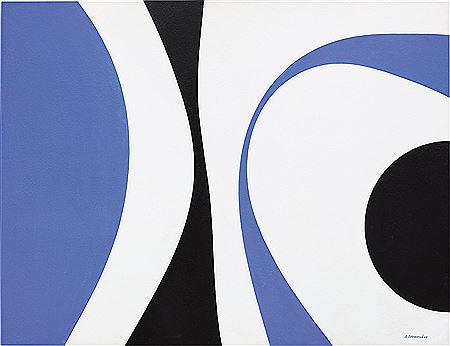
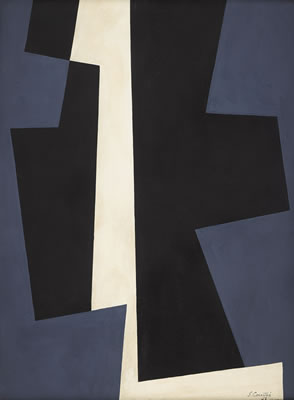
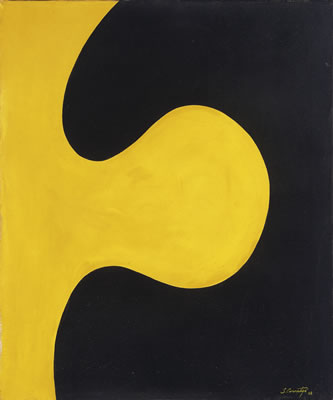
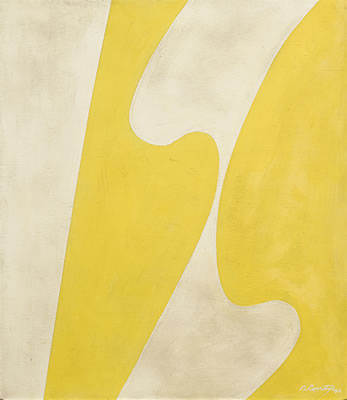
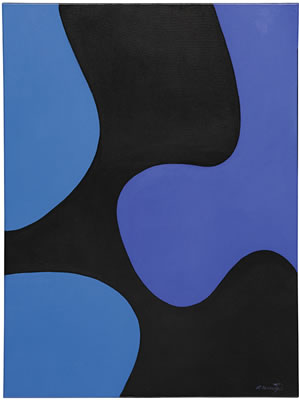
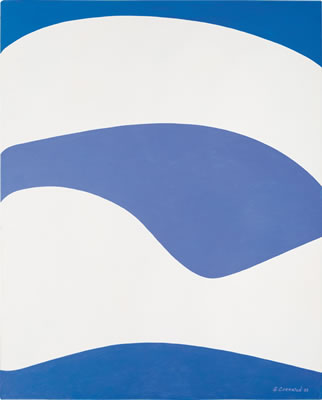
1928 Havana, Cuba - 2014 Miami. Known for: Geometric abstraction painting.
Salvador Corratge was born in Havana, Cuba, into a family of Catalan origin. He began his career as a painter during a time when abstraction was gaining popularity in Cuba. Corratge was influenced by...
Read full biography Salvador Corratge was born in Havana, Cuba, into a family of Catalan origin. He began his career as a painter during a time when abstraction was gaining popularity in Cuba. Corratge was influenced by architecture, music, and Japanese culture. He attended the San Alejandro Art Academy and later...
Read full biography Salvador Corratge was born in Havana, Cuba, into a family of Catalan origin. He began his career as a painter during a time when abstraction was gaining popularity in Cuba. Corratge was influenced by architecture, music, and Japanese culture. He attended the San Alejandro Art Academy and later studied architecture at the University of Havana. He was a member of the group Los Once and later became part of the significant group 10 Pintores Concretos, where he continued his artistic research in...
Read full biography Salvador Corratge was born in Havana, Cuba, into a family of Catalan origin. He began his career as a painter during a time when abstraction was gaining popularity in Cuba. Corratge was influenced by architecture, music, and Japanese culture. He attended the San Alejandro Art Academy and later studied architecture at the University of Havana. He was a member of the group Los Once and later became part of the significant group 10 Pintores Concretos, where he continued his artistic research in geometric abstraction. Corratge held cultural positions in Czechoslovakia and North Korea and was a founding member of the National Union of Writers and Artists of Cuba. His work gained international recognition, especially after the exhibition...
Read full biography Salvador Corratge was born in Havana, Cuba, into a family of Catalan origin. He began his career as a painter during a time when abstraction was gaining popularity in Cuba. Corratge was influenced by architecture, music, and Japanese culture. He attended the San Alejandro Art Academy and later studied architecture at the University of Havana. He was a member of the group Los Once and later became part of the significant group 10 Pintores Concretos, where he continued his artistic research in geometric abstraction. Corratge held cultural positions in Czechoslovakia and North Korea and was a founding member of the National Union of Writers and Artists of Cuba. His work gained international recognition, especially after the exhibition "América Fría: La Abstracción Geométrica Latinoamericana entre 1934 - 1973" in Madrid.