Born in 1932, Chung Sang-Hwa is one of the most important artists for Tansaekhwa, the Korean monochrome painting movement during the 1960s and 1970s. Since the early 1970s when Chung settled in Kobe,... Read full biography
Born in 1932, Chung Sang-Hwa is one of the most important artists for Tansaekhwa, the Korean monochrome painting movement during the 1960s and 1970s. Since the early 1970s when Chung settled in Kobe, Japan after his exploration of Western art in Paris in the end of 1960s, he had been developing his... Read full biography
Born in 1932, Chung Sang-Hwa is one of the most important artists for Tansaekhwa, the Korean monochrome painting movement during the 1960s and 1970s. Since the early 1970s when Chung settled in Kobe, Japan after his exploration of Western art in Paris in the end of 1960s, he had been developing his own method of 'rip' and 'fill,' creating numerous grids with horizontal, diagonal and vertical lines, adding depth on the flat surface of the canvas. Chung first spreads the mixture of kaolin clay,... Read full biography
Born in 1932, Chung Sang-Hwa is one of the most important artists for Tansaekhwa, the Korean monochrome painting movement during the 1960s and 1970s. Since the early 1970s when Chung settled in Kobe, Japan after his exploration of Western art in Paris in the end of 1960s, he had been developing his own method of 'rip' and 'fill,' creating numerous grids with horizontal, diagonal and vertical lines, adding depth on the flat surface of the canvas. Chung first spreads the mixture of kaolin clay, water and glue on the entire canvas evenly and waits until the thick paint is completely dried. Then he removes the canvas from the wooden stretcher and draws grids of horizontal and vertical lines on the reverse of the canvas. After the procedure,... Read full biography
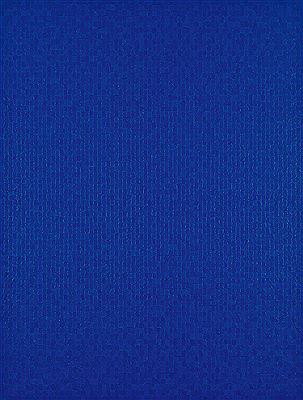
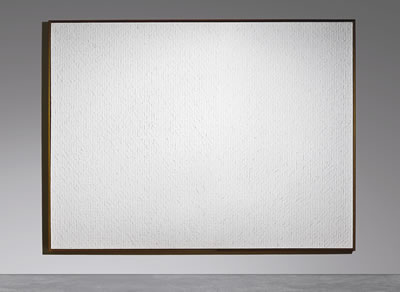
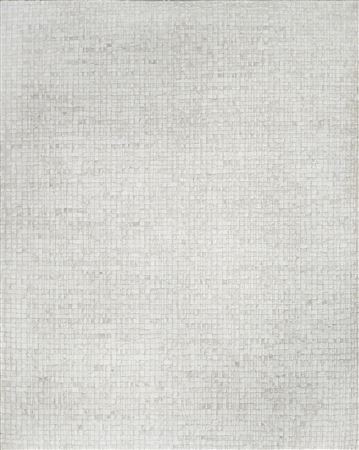
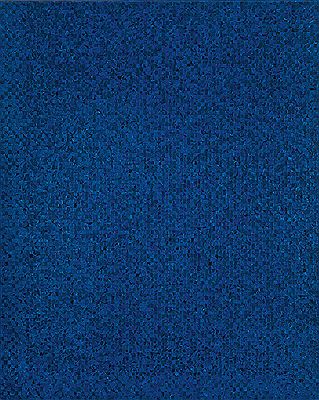
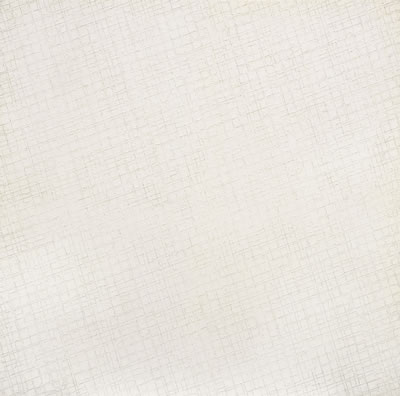
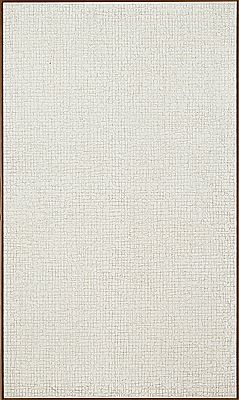
Born in 1932, Chung Sang-Hwa is one of the most important artists for Tansaekhwa, the Korean monochrome painting movement during the 1960s and 1970s. Since the early 1970s when Chung settled in Kobe, Japan after his exploration of Western art in Paris in the end of 1960s, he had been developing his own method of 'rip' and 'fill,' creating numerous grids with horizontal, diagonal and vertical lines, adding depth on the flat surface of the canvas. Chung first spreads the mixture of kaolin clay, water and glue on the entire canvas evenly and waits until the thick paint is completely dried. Then he removes the canvas from the wooden stretcher and draws grids of horizontal and vertical lines on the reverse of the canvas. After the procedure, Chung carefully folds it along his drawing lines and rips off the paint from the chosen grids. Th... Read full biography
Sanghwa Chung - Art Prices in Auction LotsAuction Lots