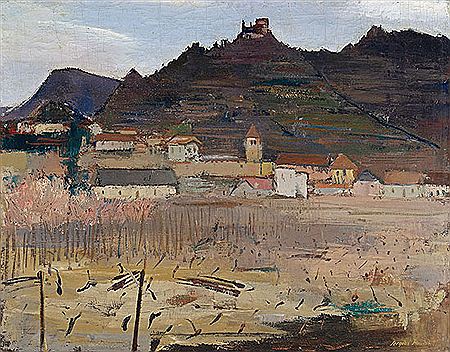
1896 Vienna - 1970. Known for: Landscape painting.
Sergius Pauser was born 1876 in Vienna. He first began to study architecture and then changed to the fine arts, studying from 1919 to 1924 at the Academy of Fine Arts in Munich. During this time he...
Read full biography Sergius Pauser was born 1876 in Vienna. He first began to study architecture and then changed to the fine arts, studying from 1919 to 1924 at the Academy of Fine Arts in Munich. During this time he was influenced primarily by the artistic work of Max Beckmann, Otto Dix and Karl Hofer. In 1925 he...
Read full biography Sergius Pauser was born 1876 in Vienna. He first began to study architecture and then changed to the fine arts, studying from 1919 to 1924 at the Academy of Fine Arts in Munich. During this time he was influenced primarily by the artistic work of Max Beckmann, Otto Dix and Karl Hofer. In 1925 he returned to Vienna and further studied for a year at the local Academy of Arts. In 1927 he was a member of the Vienna Secession. Pauser's artistic work went through several transformations during his...
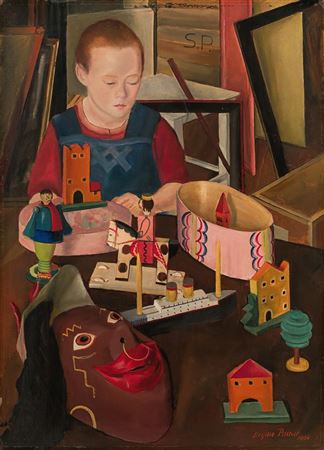
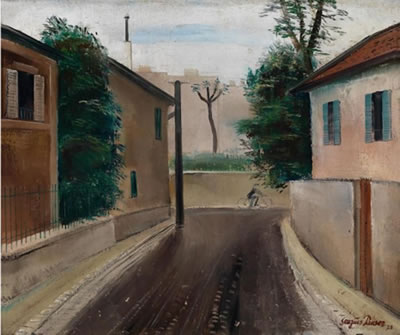
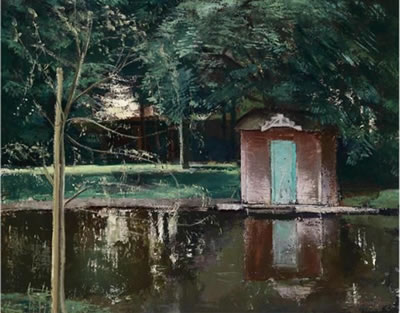
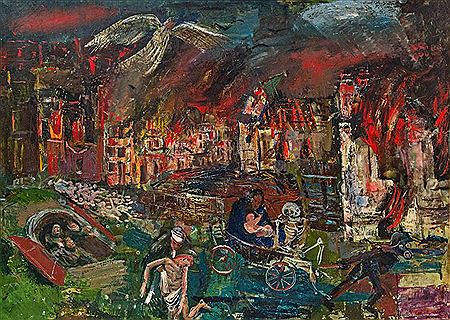
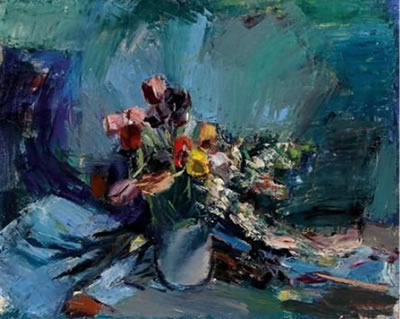
Read full biography Sergius Pauser was born 1876 in Vienna. He first began to study architecture and then changed to the fine arts, studying from 1919 to 1924 at the Academy of Fine Arts in Munich. During this time he was influenced primarily by the artistic work of Max Beckmann, Otto Dix and Karl Hofer. In 1925 he returned to Vienna and further studied for a year at the local Academy of Arts. In 1927 he was a member of the Vienna Secession. Pauser's artistic work went through several transformations during his career. His early work was initially based on Expressionism and turned in the late 1920s to the style of New Objectivity in order to approach a loosened painting style again especially after 1945. Pauser received several awards and was featured in...
Read full biography Sergius Pauser was born 1876 in Vienna. He first began to study architecture and then changed to the fine arts, studying from 1919 to 1924 at the Academy of Fine Arts in Munich. During this time he was influenced primarily by the artistic work of Max Beckmann, Otto Dix and Karl Hofer. In 1925 he returned to Vienna and further studied for a year at the local Academy of Arts. In 1927 he was a member of the Vienna Secession. Pauser's artistic work went through several transformations during his career. His early work was initially based on Expressionism and turned in the late 1920s to the style of New Objectivity in order to approach a loosened painting style again especially after 1945. Pauser received several awards and was featured in numerous exhibitions.