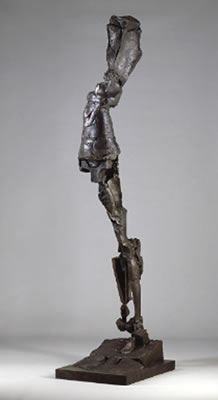
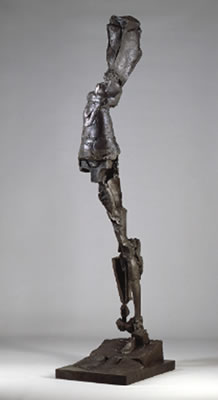
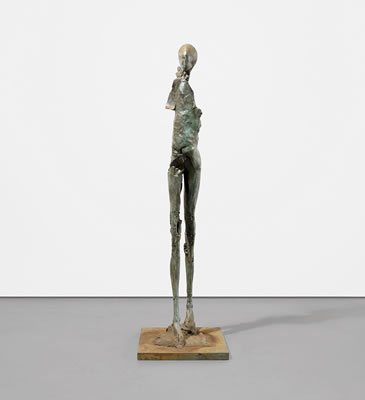
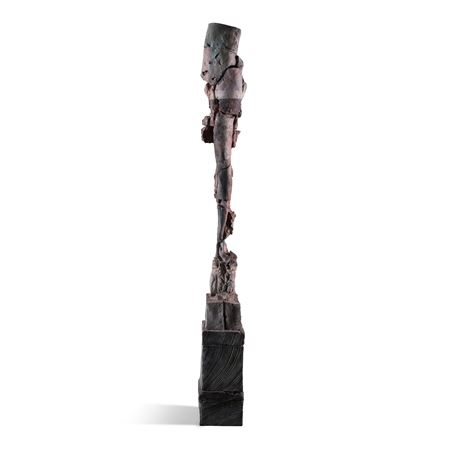
Interview with Stephen De Staebler, 1995 . Copyright by Jessie Benton Evans. Jessie Benton Evans: Did you always want to be a sculptor?. Stephen De Staebler: I wanted to be an artist, but for reasons... Read full biography
Interview with Stephen De Staebler, 1995 . Copyright by Jessie Benton Evans. Jessie Benton Evans: Did you always want to be a sculptor?. Stephen De Staebler: I wanted to be an artist, but for reasons I'm not quite clear about, I went to a university with no art department. I had to major in my... Read full biography
Interview with Stephen De Staebler, 1995 . Copyright by Jessie Benton Evans. Jessie Benton Evans: Did you always want to be a sculptor?. Stephen De Staebler: I wanted to be an artist, but for reasons I'm not quite clear about, I went to a university with no art department. I had to major in my junior year, so I thought, "The closest thing to art is art history." Wrong. That's when I gained a first-hand understanding of the conflict between the hemispheres of the brain. Art history is... Read full biography
Interview with Stephen De Staebler, 1995 . Copyright by Jessie Benton Evans. Jessie Benton Evans: Did you always want to be a sculptor?. Stephen De Staebler: I wanted to be an artist, but for reasons I'm not quite clear about, I went to a university with no art department. I had to major in my junior year, so I thought, "The closest thing to art is art history." Wrong. That's when I gained a first-hand understanding of the conflict between the hemispheres of the brain. Art history is essentially a linear discipline, and art-making is a right hemispheric function. It's like oil and water. My way out of the crisis in the first semester was to major in religion. It was wonderful and terrible. I learned about any number of religious... Read full biography
Interview with Stephen De Staebler, 1995 . Copyright by Jessie Benton Evans. Jessie Benton Evans: Did you always want to be a sculptor?. Stephen De Staebler: I wanted to be an artist, but for reasons I'm not quite clear about, I went to a university with no art department. I had to major in my junior year, so I thought, "The closest thing to art is art history." Wrong. That's when I gained a first-hand understanding of the conflict between the hemispheres of the brain. Art history is essentially a linear discipline, and art-making is a right hemispheric function. It's like oil and water. My way out of the crisis in the first semester was to major in religion. It was wonderful and terrible. I learned about any number of religious experiences -- other people's -- and became extremely frustrated. In art it would be like being told, "Oh, how wonderful it is to pick up the brush... Read full biography
Stephen DeStaebler - Art Prices in Auction LotsAuction Lots