Nambata Tatsuoki started to paint in the late 1920s after meeting the older artist Takamura Kotaro (1883-1956), who became his master. Early in his career he was inspired by the art of ancient Greece... Read full biography
Nambata Tatsuoki started to paint in the late 1920s after meeting the older artist Takamura Kotaro (1883-1956), who became his master. Early in his career he was inspired by the art of ancient Greece and created paintings incorporating motifs from this place and period. However with World War II... Read full biography
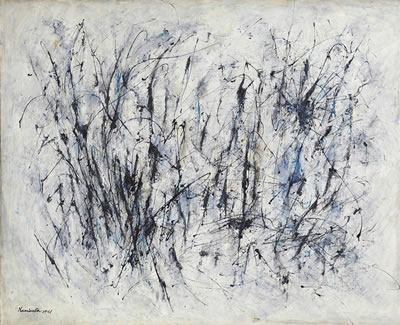
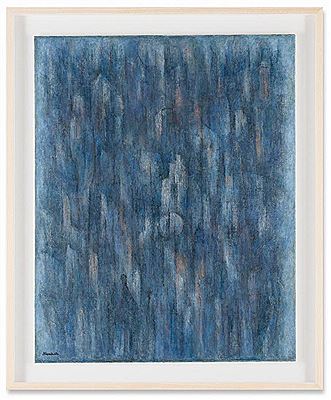
Nambata Tatsuoki started to paint in the late 1920s after meeting the older artist Takamura Kotaro (1883-1956), who became his master. Early in his career he was inspired by the art of ancient Greece and created paintings incorporating motifs from this place and period. However with World War II came great upheaval in Japan, however an end to war in 1945 brought peace and an artistic regeneration. Nambata was struck by the rapid post-war re-building of Tokyo stating: "The inorganic beauty of... Read full biography
Nambata Tatsuoki started to paint in the late 1920s after meeting the older artist Takamura Kotaro (1883-1956), who became his master. Early in his career he was inspired by the art of ancient Greece and created paintings incorporating motifs from this place and period. However with World War II came great upheaval in Japan, however an end to war in 1945 brought peace and an artistic regeneration. Nambata was struck by the rapid post-war re-building of Tokyo stating: "The inorganic beauty of iron beams and iron reinforcing rods sprouting to pierce the sky in the Tokyo of the postwar reconstruction period struck me as something very novel, and their straight lines moved me toward a new direction in my art." . He went on to absorb some... Read full biography
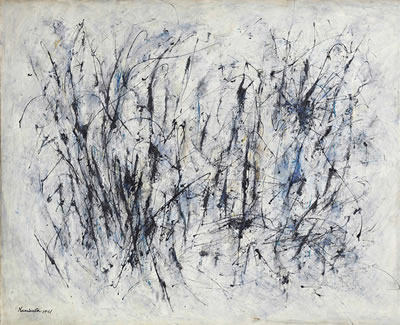
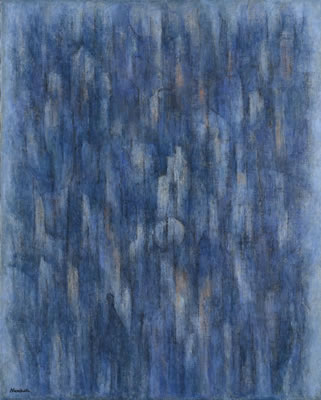
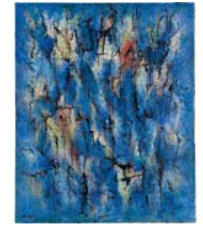
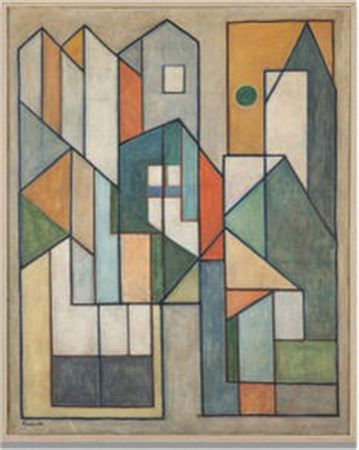
Nambata Tatsuoki started to paint in the late 1920s after meeting the older artist Takamura Kotaro (1883-1956), who became his master. Early in his career he was inspired by the art of ancient Greece and created paintings incorporating motifs from this place and period. However with World War II came great upheaval in Japan, however an end to war in 1945 brought peace and an artistic regeneration. Nambata was struck by the rapid post-war re-building of Tokyo stating: "The inorganic beauty of iron beams and iron reinforcing rods sprouting to pierce the sky in the Tokyo of the postwar reconstruction period struck me as something very novel, and their straight lines moved me toward a new direction in my art." . He went on to absorb some influences from Art Informel and abstract expressionism, creating his own unique style. Nambata Tatsuoki-ten [Today's Artists: An Exhibition of Nambata... Read full biography
Tatsuoki Nambata - Art Prices in Auction LotsAuction Lots