Theodor Grust was born in Meissen, Germany in August 27, 1859. A painter, he did occasional work on canvas but was best known for his porcelain painting. He was the Head of the Meissen Porcelain... Read full biography
Theodor Grust was born in Meissen, Germany in August 27, 1859. A painter, he did occasional work on canvas but was best known for his porcelain painting. He was the Head of the Meissen Porcelain Factory and later head painter for Royal Saxon Porcelain. For his china designs, he originated shapes... Read full biography
Theodor Grust was born in Meissen, Germany in August 27, 1859. A painter, he did occasional work on canvas but was best known for his porcelain painting. He was the Head of the Meissen Porcelain Factory and later head painter for Royal Saxon Porcelain. For his china designs, he originated shapes and decoration including the clover leaf pattern and frame decors. In 1878 he attended the Dresden Academy of Art and studied under Theodore Grosse, an artist known for his "Biedermeier" style. After... Read full biography
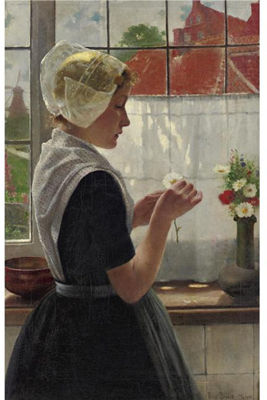
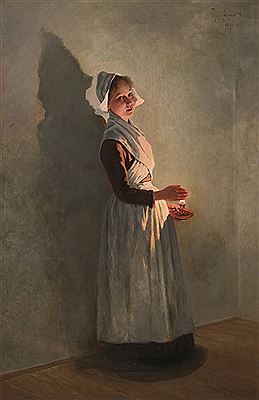
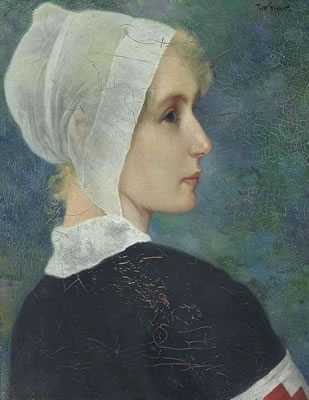
Theodor Grust was born in Meissen, Germany in August 27, 1859. A painter, he did occasional work on canvas but was best known for his porcelain painting. He was the Head of the Meissen Porcelain Factory and later head painter for Royal Saxon Porcelain. For his china designs, he originated shapes and decoration including the clover leaf pattern and frame decors. In 1878 he attended the Dresden Academy of Art and studied under Theodore Grosse, an artist known for his "Biedermeier" style. After academy training, Grust traveled to Munich, Belgium and the Netherlands to expand his repertory of influences and technique. It was during the decade of the 1890's, he accomplished most of his easel painting, which was oil painting depicting scenes of... Read full biography
Theodor Grust was born in Meissen, Germany in August 27, 1859. A painter, he did occasional work on canvas but was best known for his porcelain painting. He was the Head of the Meissen Porcelain Factory and later head painter for Royal Saxon Porcelain. For his china designs, he originated shapes and decoration including the clover leaf pattern and frame decors. In 1878 he attended the Dresden Academy of Art and studied under Theodore Grosse, an artist known for his "Biedermeier" style. After academy training, Grust traveled to Munich, Belgium and the Netherlands to expand his repertory of influences and technique. It was during the decade of the 1890's, he accomplished most of his easel painting, which was oil painting depicting scenes of petty bourgeois genre. After 1900 he returned to Meissen and was instrumental in the preservati... Read full biography
Theodor Grust - Art Prices in Auction LotsAuction Lots