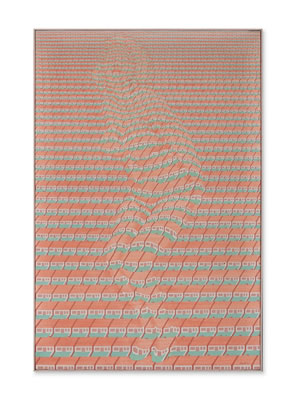
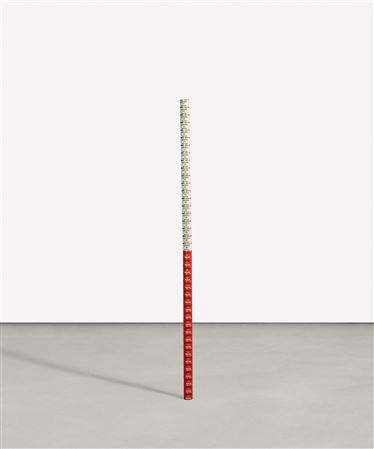
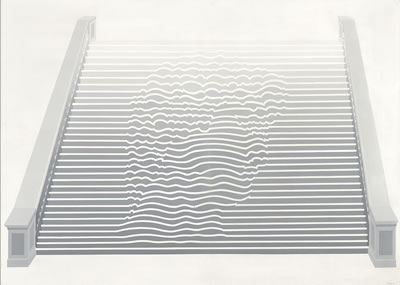
Born 1937 in Berlin, Germany. Lives and works in Frankfurt am Main. Thomas Bayrle’s pioneering work is characterised by an obsessive preoccupation with repetition and grid structures, conceiving and... Read full biography
Born 1937 in Berlin, Germany. Lives and works in Frankfurt am Main. Thomas Bayrle’s pioneering work is characterised by an obsessive preoccupation with repetition and grid structures, conceiving and representing the world around him as a multitude of social threads. Bayrle began his career as a... Read full biography
Born 1937 in Berlin, Germany. Lives and works in Frankfurt am Main. Thomas Bayrle’s pioneering work is characterised by an obsessive preoccupation with repetition and grid structures, conceiving and representing the world around him as a multitude of social threads. Bayrle began his career as a designer and, after an apprenticeship within a textile factory, he became fascinated by mechanisation and its repetitive patterns and rhythms. From this experience, Bayrle’s work retained the motif of... Read full biography
Born 1937 in Berlin, Germany. Lives and works in Frankfurt am Main. Thomas Bayrle’s pioneering work is characterised by an obsessive preoccupation with repetition and grid structures, conceiving and representing the world around him as a multitude of social threads. Bayrle began his career as a designer and, after an apprenticeship within a textile factory, he became fascinated by mechanisation and its repetitive patterns and rhythms. From this experience, Bayrle’s work retained the motif of the human figure in the machine age and the structure of the grid. Influenced by pop art, and notably Sigmar Polke in Germany, the Frankfurt School, the economic post-war boom, and most importantly the large American presence in Frankfurt, Bayrle... Read full biography
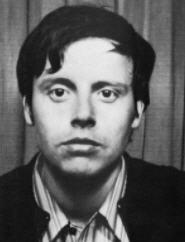
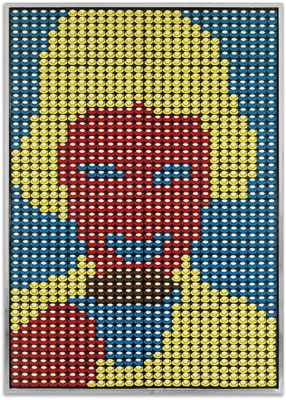
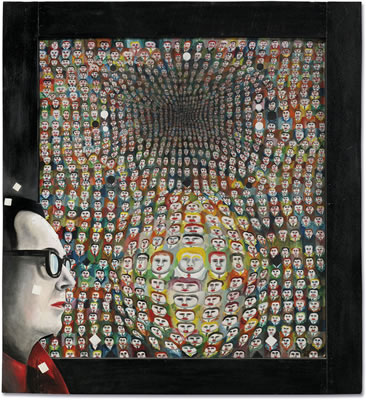
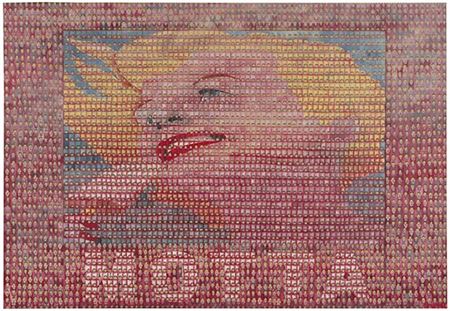
Born 1937 in Berlin, Germany. Lives and works in Frankfurt am Main. Thomas Bayrle’s pioneering work is characterised by an obsessive preoccupation with repetition and grid structures, conceiving and representing the world around him as a multitude of social threads. Bayrle began his career as a designer and, after an apprenticeship within a textile factory, he became fascinated by mechanisation and its repetitive patterns and rhythms. From this experience, Bayrle’s work retained the motif of the human figure in the machine age and the structure of the grid. Influenced by pop art, and notably Sigmar Polke in Germany, the Frankfurt School, the economic post-war boom, and most importantly the large American presence in Frankfurt, Bayrle abandoned painting in 1967 to produce serigraphic works reflecting on mass society. Like fellow Frankfurt artist and friend Pete... Read full biography
Thomas Bayrle - Art Prices in Auction LotsAuction Lots