Tjunkiya Napaltjarri was born around 1927 northwest of Kintore, in the Northern Territory near the Western Australian border. A Pintupi woman, she was the sister of Wintjiya Napaltjarri, another... Read full biography
Tjunkiya Napaltjarri was born around 1927 northwest of Kintore, in the Northern Territory near the Western Australian border. A Pintupi woman, she was the sister of Wintjiya Napaltjarri, another Papunya Tula artist. She came in from the bush with her extended family in 1956, settling in Haasts... Read full biography
Tjunkiya Napaltjarri was born around 1927 northwest of Kintore, in the Northern Territory near the Western Australian border. A Pintupi woman, she was the sister of Wintjiya Napaltjarri, another Papunya Tula artist. She came in from the bush with her extended family in 1956, settling in Haasts Bluff. She attended the 1994 Haasts Bluff/Kintore Women's Painting Camp held beside Walungurru (Kintore), a women's site, at which Pintupi women began to paint for the first time. Rather than dotting... Read full biography
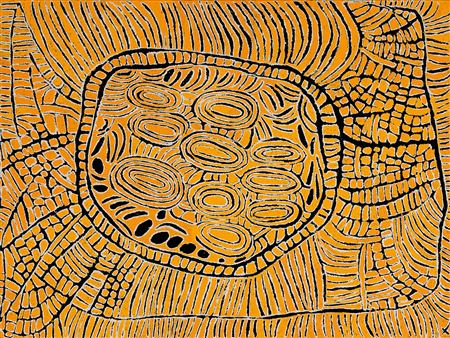
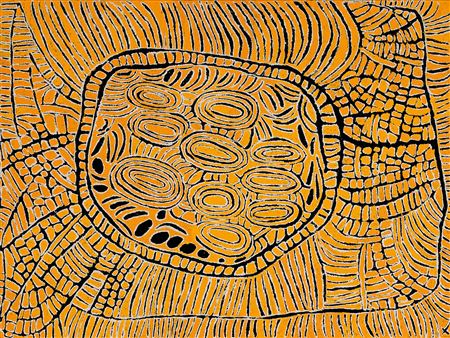
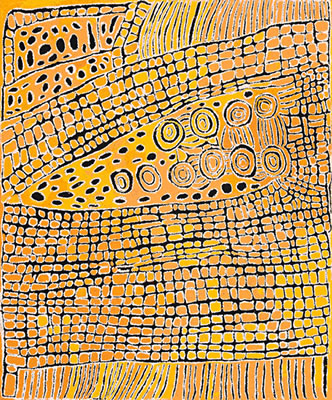
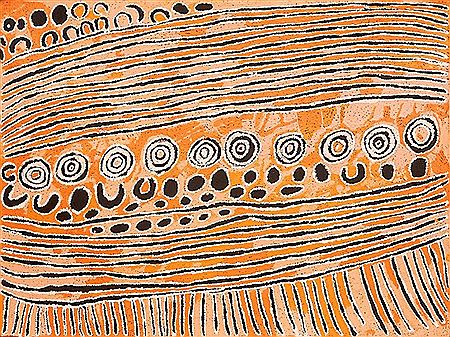
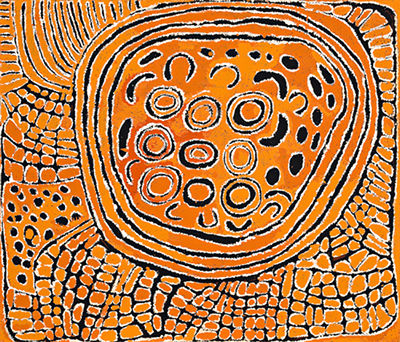
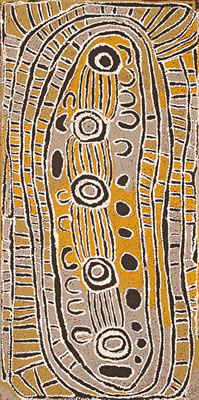
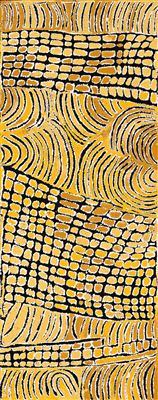
Tjunkiya Napaltjarri was born around 1927 northwest of Kintore, in the Northern Territory near the Western Australian border. A Pintupi woman, she was the sister of Wintjiya Napaltjarri, another Papunya Tula artist. She came in from the bush with her extended family in 1956, settling in Haasts Bluff. She attended the 1994 Haasts Bluff/Kintore Women's Painting Camp held beside Walungurru (Kintore), a women's site, at which Pintupi women began to paint for the first time. Rather than dotting acrylic paint like other Aboriginal artists, Tjunkiya's unique style results from pushing and dragging paint across the canvas, yielding jagged, energetic surfaces. "'When I paint,' Napaltjarri says, 'I feel happy, I don't feel sick, I don't feel any... Read full biography
Tjunkiya Napaltjarri was born around 1927 northwest of Kintore, in the Northern Territory near the Western Australian border. A Pintupi woman, she was the sister of Wintjiya Napaltjarri, another Papunya Tula artist. She came in from the bush with her extended family in 1956, settling in Haasts Bluff. She attended the 1994 Haasts Bluff/Kintore Women's Painting Camp held beside Walungurru (Kintore), a women's site, at which Pintupi women began to paint for the first time. Rather than dotting acrylic paint like other Aboriginal artists, Tjunkiya's unique style results from pushing and dragging paint across the canvas, yielding jagged, energetic surfaces. "'When I paint,' Napaltjarri says, 'I feel happy, I don't feel sick, I don't feel any pain. I feel strong and healthy, like I'm a young girl again.' She explains how her constant... Read full biography
Tjunkiya Napaltjarri - Art Prices in Auction LotsAuction Lots