Born in Hanoi in the first decade of the 20th century, To Ngoc Van studied at the College of the Protectorate from 1924 to 1927 and was admitted into the colonial École Supérieure des Beaux Arts de... Read full biography
Born in Hanoi in the first decade of the 20th century, To Ngoc Van studied at the College of the Protectorate from 1924 to 1927 and was admitted into the colonial École Supérieure des Beaux Arts de l’Indochine where he subsequently graduated in 1931. The art college trained successive generations... Read full biography
Born in Hanoi in the first decade of the 20th century, To Ngoc Van studied at the College of the Protectorate from 1924 to 1927 and was admitted into the colonial École Supérieure des Beaux Arts de l’Indochine where he subsequently graduated in 1931. The art college trained successive generations of Vietnamese students in the western art tradition, laying the essential groundwork for the development of a distinctive Vietnamese style of modern art. To Ngoc Van was competent across the mediums... Read full biography
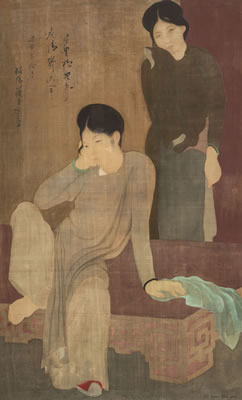
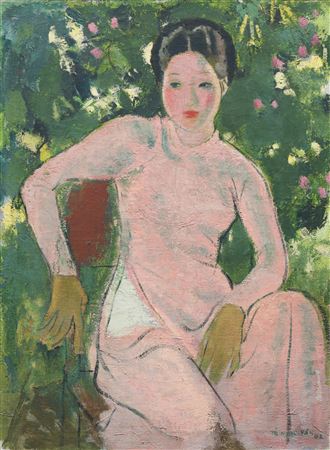
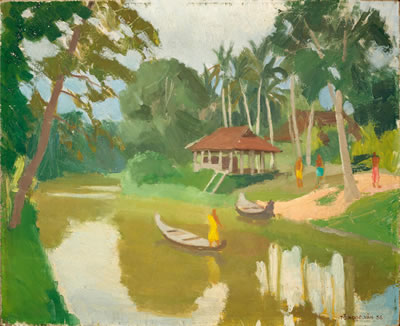
Born in Hanoi in the first decade of the 20th century, To Ngoc Van studied at the College of the Protectorate from 1924 to 1927 and was admitted into the colonial École Supérieure des Beaux Arts de l’Indochine where he subsequently graduated in 1931. The art college trained successive generations of Vietnamese students in the western art tradition, laying the essential groundwork for the development of a distinctive Vietnamese style of modern art. To Ngoc Van was competent across the mediums taught in the college and his works range across silk and lacquer painting as well as oil paintings. His association with the college did not end upon his graduation. The college was taken over by the provisional government of the Democratic Republic... Read full biography
Born in Hanoi in the first decade of the 20th century, To Ngoc Van studied at the College of the Protectorate from 1924 to 1927 and was admitted into the colonial École Supérieure des Beaux Arts de l’Indochine where he subsequently graduated in 1931. The art college trained successive generations of Vietnamese students in the western art tradition, laying the essential groundwork for the development of a distinctive Vietnamese style of modern art. To Ngoc Van was competent across the mediums taught in the college and his works range across silk and lacquer painting as well as oil paintings. His association with the college did not end upon his graduation. The college was taken over by the provisional government of the Democratic Republic of Vietnam after the August Revolution of 1945. When the struggle against the French intensified in 1950, the college was moved to Ð?i T... Read full biography
To Ngoc Van - Art Prices in Auction LotsAuction Lots