Lee U-Fan (or Ou-Fan, or U-Hwan, born 1936) is a Korean born Japanese minimalist painter and sculptor and leader of the Japanese material school Monoha in the late 1960s. Lee advocated a methodology... Read full biography
Lee U-Fan (or Ou-Fan, or U-Hwan, born 1936) is a Korean born Japanese minimalist painter and sculptor and leader of the Japanese material school Monoha in the late 1960s. Lee advocated a methodology of de-westernization and de-modernization in both theory and practice as an antidote to the... Read full biography
Lee U-Fan (or Ou-Fan, or U-Hwan, born 1936) is a Korean born Japanese minimalist painter and sculptor and leader of the Japanese material school Monoha in the late 1960s. Lee advocated a methodology of de-westernization and de-modernization in both theory and practice as an antidote to the Euro-centric thought of 1960s postwar Japanese society. The Japanese avant-garde group Monoha was Japan's first contemporary art movement to gain international recognition. The Monoha school of thought... Read full biography
Lee U-Fan (or Ou-Fan, or U-Hwan, born 1936) is a Korean born Japanese minimalist painter and sculptor and leader of the Japanese material school Monoha in the late 1960s. Lee advocated a methodology of de-westernization and de-modernization in both theory and practice as an antidote to the Euro-centric thought of 1960s postwar Japanese society. The Japanese avant-garde group Monoha was Japan's first contemporary art movement to gain international recognition. The Monoha school of thought rejected Western notions of representation, choosing to focus on the relationships of materials and perceptions rather than on expression or intervention. The movement's goal was to embrace the world at large and encourage the fluid coexistence of numerous... Read full biography
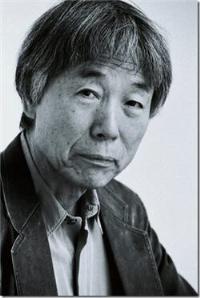
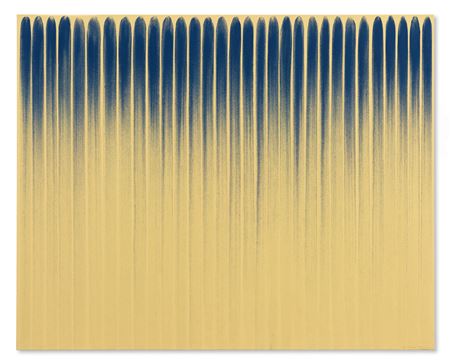
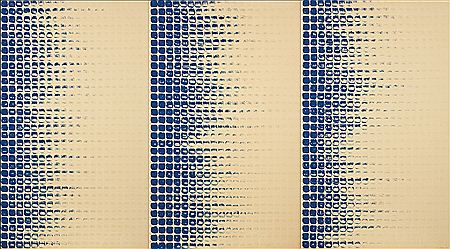
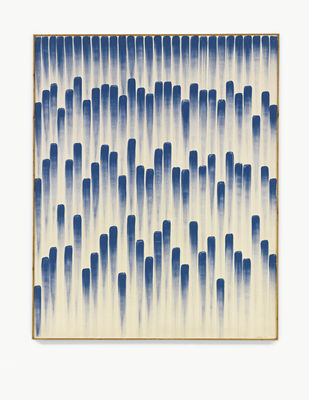
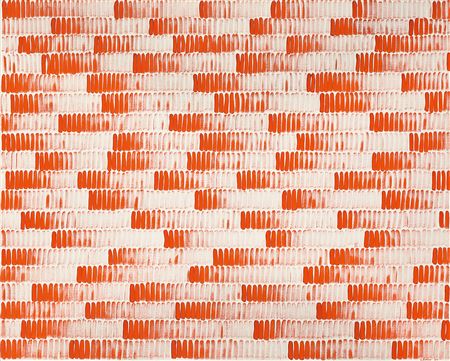
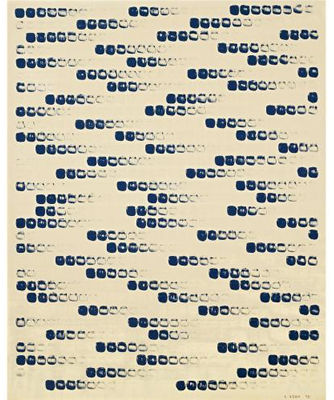
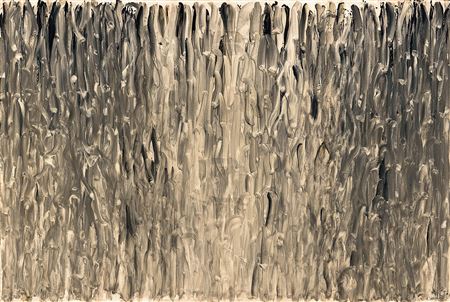
Lee U-Fan (or Ou-Fan, or U-Hwan, born 1936) is a Korean born Japanese minimalist painter and sculptor and leader of the Japanese material school Monoha in the late 1960s. Lee advocated a methodology of de-westernization and de-modernization in both theory and practice as an antidote to the Euro-centric thought of 1960s postwar Japanese society. The Japanese avant-garde group Monoha was Japan's first contemporary art movement to gain international recognition. The Monoha school of thought rejected Western notions of representation, choosing to focus on the relationships of materials and perceptions rather than on expression or intervention. The movement's goal was to embrace the world at large and encourage the fluid coexistence of numerous beings, concepts, and experiences. Lee U-fan's position in the philosophy department a Nihon University in Tokyo earned him a distinguish... Read full biography