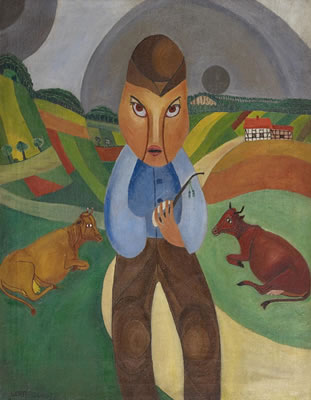
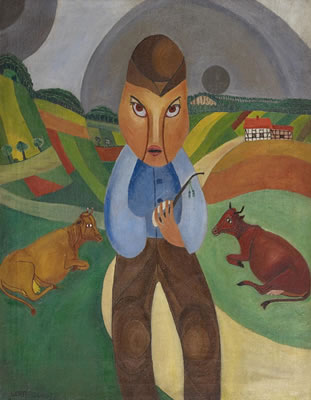
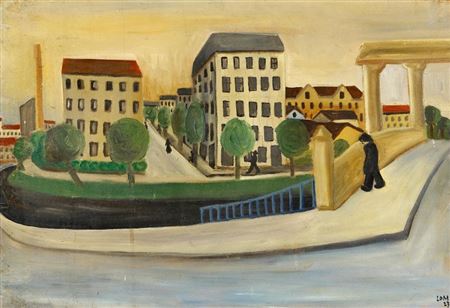
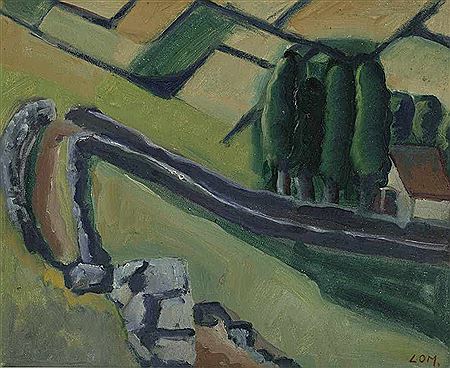
1892 Eschwege, Germany - 1953 London, England. Known for: Painting.
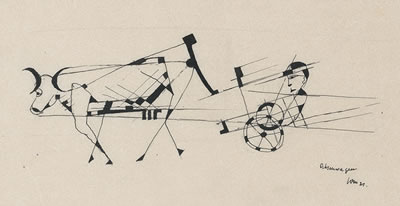
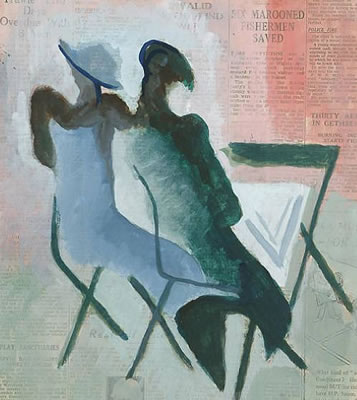
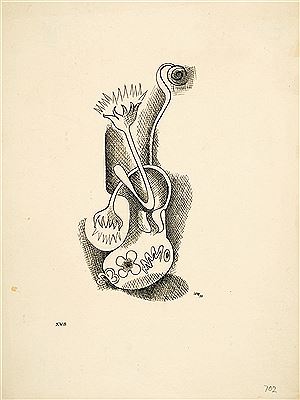
Known as 'Lom', Walter Alfred Lomnitz exhibited across Germany during the 1920s and 30s, before moving to Britain in 1933 to escape Nazi persecution in Germany. Lom was interned at Huyton Camp...
Read full biography Known as 'Lom', Walter Alfred Lomnitz exhibited across Germany during the 1920s and 30s, before moving to Britain in 1933 to escape Nazi persecution in Germany. Lom was interned at Huyton Camp during the War, alongside other emigre artists such as John Heartfield, Martin Bloch and Hugo...
Read full biography Known as 'Lom', Walter Alfred Lomnitz exhibited across Germany during the 1920s and 30s, before moving to Britain in 1933 to escape Nazi persecution in Germany. Lom was interned at Huyton Camp during the War, alongside other emigre artists such as John Heartfield, Martin Bloch and Hugo Dachinger, and he wrote a memoir of his time there 'Never Mind, Mr Lom' published in 1941. A number of his works are in the Ben Uri Gallery & Museum collection, where he also received a retrospective...
Read full biography Known as 'Lom', Walter Alfred Lomnitz exhibited across Germany during the 1920s and 30s, before moving to Britain in 1933 to escape Nazi persecution in Germany. Lom was interned at Huyton Camp during the War, alongside other emigre artists such as John Heartfield, Martin Bloch and Hugo Dachinger, and he wrote a memoir of his time there 'Never Mind, Mr Lom' published in 1941. A number of his works are in the Ben Uri Gallery & Museum collection, where he also received a retrospective exhibition in 1954.
Known as 'Lom', Walter Alfred Lomnitz exhibited across Germany during the 1920s and 30s, before moving to Britain in 1933 to escape Nazi persecution in Germany. Lom was interned at Huyton Camp during the War, alongside other emigre artists such as John Heartfield, Martin Bloch and Hugo Dachinger, and he wrote a memoir of his time there 'Never Mind, Mr Lom' published in 1941. A number of his works are in the Ben Uri Gallery & Museum collection, where he also received a retrospective exhibition in 1954.