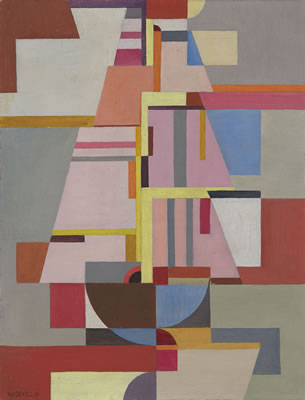
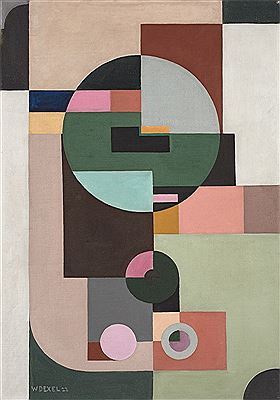
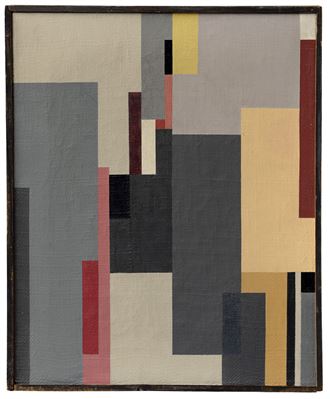
As an autodidact painter, Walter Dexel developed a style that was in the beginning inspired by Cézanne and later influenced by cubist and expressionist tendencies. During the 1920s, he was part of... Read full biography
As an autodidact painter, Walter Dexel developed a style that was in the beginning inspired by Cézanne and later influenced by cubist and expressionist tendencies. During the 1920s, he was part of the formation of Constructivism. In Munich he had graduated in History of Art, before attending... Read full biography
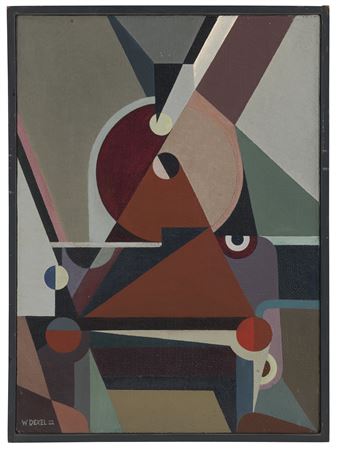
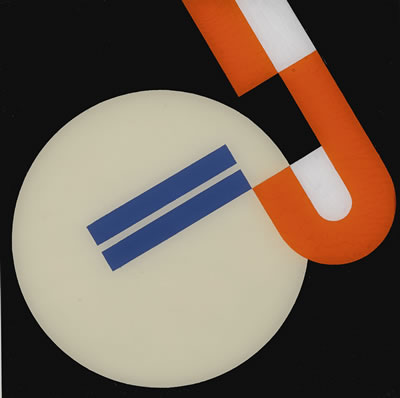
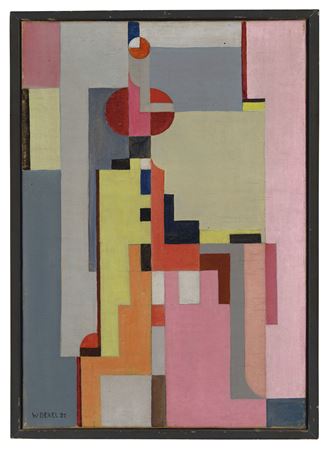
As an autodidact painter, Walter Dexel developed a style that was in the beginning inspired by Cézanne and later influenced by cubist and expressionist tendencies. During the 1920s, he was part of the formation of Constructivism. In Munich he had graduated in History of Art, before attending drawing schools in Munich, Jena and Paris. Never entirely prescribed to fine arts, Dexel also worked as a typographer, interior architect and stage designer. The illuminated street sign is regarded an... Read full biography
As an autodidact painter, Walter Dexel developed a style that was in the beginning inspired by Cézanne and later influenced by cubist and expressionist tendencies. During the 1920s, he was part of the formation of Constructivism. In Munich he had graduated in History of Art, before attending drawing schools in Munich, Jena and Paris. Never entirely prescribed to fine arts, Dexel also worked as a typographer, interior architect and stage designer. The illuminated street sign is regarded an invention of his (1925). Together with his wife, he published a book about modern living in 1928. In that period he was in touch with the Dutch De Stijl movement and exhibited several times at Herwarth Waldens’ gallery ‘Der Sturm’ in Berlin. From his... Read full biography
As an autodidact painter, Walter Dexel developed a style that was in the beginning inspired by Cézanne and later influenced by cubist and expressionist tendencies. During the 1920s, he was part of the formation of Constructivism. In Munich he had graduated in History of Art, before attending drawing schools in Munich, Jena and Paris. Never entirely prescribed to fine arts, Dexel also worked as a typographer, interior architect and stage designer. The illuminated street sign is regarded an invention of his (1925). Together with his wife, he published a book about modern living in 1928. In that period he was in touch with the Dutch De Stijl movement and exhibited several times at Herwarth Waldens’ gallery ‘Der Sturm’ in Berlin. From his office as a lecturer of commercial art at the School of Arts and Crafts in Magdeburg he was dismissed by the... Read full biography
Walter Dexel - Art Prices in Auction LotsAuction Lots