Walter Leblanc, b. 1932 Antwerp, Belgium – d. 1986 Silly, Belgium. Walter Leblanc was primarily interested in motion, both the illusion of movement and its physicality. After graduating at The Royal... Read full biography
Walter Leblanc, b. 1932 Antwerp, Belgium – d. 1986 Silly, Belgium. Walter Leblanc was primarily interested in motion, both the illusion of movement and its physicality. After graduating at The Royal Academy of Fine Arts in Antwerp Leblanc began to introduce torsion in his work in 1959, initially on... Read full biography
Walter Leblanc, b. 1932 Antwerp, Belgium – d. 1986 Silly, Belgium. Walter Leblanc was primarily interested in motion, both the illusion of movement and its physicality. After graduating at The Royal Academy of Fine Arts in Antwerp Leblanc began to introduce torsion in his work in 1959, initially on canvas and later in sculpture, employing new media such as vinyl, cotton thread, and latex. Stretching threads over the canvas and then painting them, he created ray-like structures that give the... Read full biography
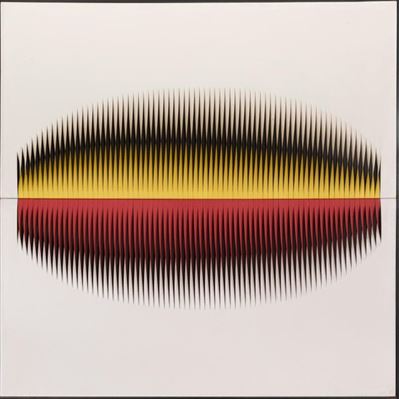
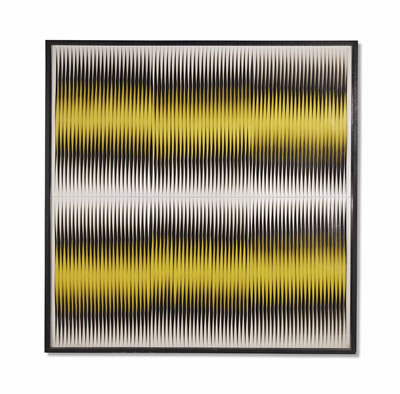
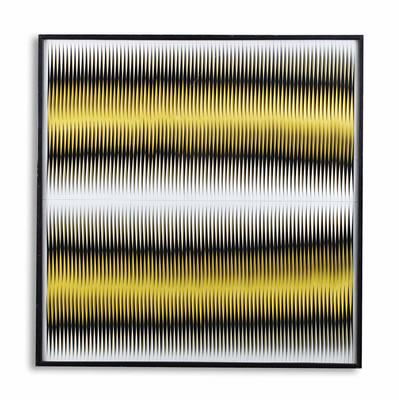
Walter Leblanc, b. 1932 Antwerp, Belgium – d. 1986 Silly, Belgium. Walter Leblanc was primarily interested in motion, both the illusion of movement and its physicality. After graduating at The Royal Academy of Fine Arts in Antwerp Leblanc began to introduce torsion in his work in 1959, initially on canvas and later in sculpture, employing new media such as vinyl, cotton thread, and latex. Stretching threads over the canvas and then painting them, he created ray-like structures that give the illusion of movement. In his monochrome and purified creations called Twisted Strings, he studies the incidence of light on twisted cotton threads and the shadow it projects. His research on Torsion, which also materializes in steel sculpture (lacquered... Read full biography
Walter Leblanc, b. 1932 Antwerp, Belgium – d. 1986 Silly, Belgium. Walter Leblanc was primarily interested in motion, both the illusion of movement and its physicality. After graduating at The Royal Academy of Fine Arts in Antwerp Leblanc began to introduce torsion in his work in 1959, initially on canvas and later in sculpture, employing new media such as vinyl, cotton thread, and latex. Stretching threads over the canvas and then painting them, he created ray-like structures that give the illusion of movement. In his monochrome and purified creations called Twisted Strings, he studies the incidence of light on twisted cotton threads and the shadow it projects. His research on Torsion, which also materializes in steel sculpture (lacquered or oxidized), unquestionably brings it closer to Kinetic Art and Op Art. In 1962 he organised the influential exhibition Anti-Pe... Read full biography
Walter Leblanc - Art Prices in Auction LotsAuction Lots