Walter Spitzer was born in Poland. His parents escaped the pogroms and the family stayed in hiding in France until 1944. In 1945, Spitzer was a student at the Ecole des Beaux Arts in Paris. At age... Read full biography
Walter Spitzer was born in Poland. His parents escaped the pogroms and the family stayed in hiding in France until 1944. In 1945, Spitzer was a student at the Ecole des Beaux Arts in Paris. At age 19, he was asked to make the scenery for the Edouard VII Theater in Paris, which was showing The... Read full biography
Walter Spitzer was born in Poland. His parents escaped the pogroms and the family stayed in hiding in France until 1944. In 1945, Spitzer was a student at the Ecole des Beaux Arts in Paris. At age 19, he was asked to make the scenery for the Edouard VII Theater in Paris, which was showing The Dibbouk of Ansky. In 1947 the same theater asked him to make the scenery for the Hill of Life ( Max Zveig). Spitzer has been a member of the Salon d'Automne since 1952. He is the only remaining survivor of... Read full biography
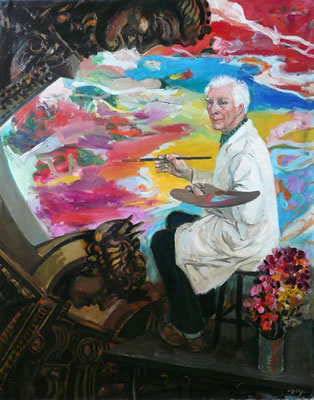
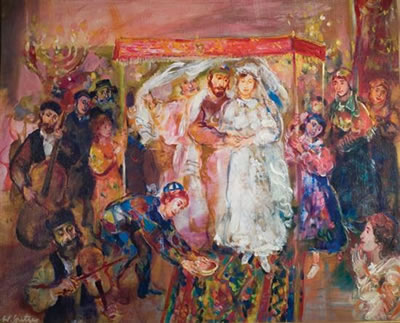
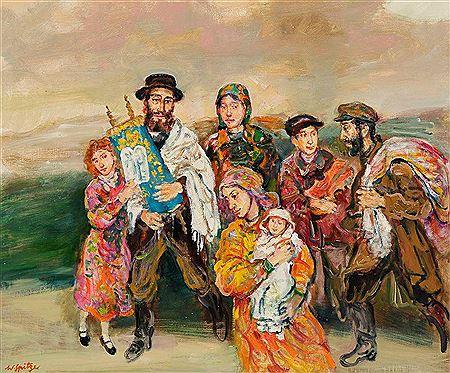
Walter Spitzer was born in Poland. His parents escaped the pogroms and the family stayed in hiding in France until 1944. In 1945, Spitzer was a student at the Ecole des Beaux Arts in Paris. At age 19, he was asked to make the scenery for the Edouard VII Theater in Paris, which was showing The Dibbouk of Ansky. In 1947 the same theater asked him to make the scenery for the Hill of Life ( Max Zveig). Spitzer has been a member of the Salon d'Automne since 1952. He is the only remaining survivor of the Montparnasse Ecole de Paris. Like Kikoine and Kremegne, Spitzer's works manifest excellence. Similar to Chagall, one of his main inspirations is the Old Testament/Talmud. Many of his themes have also reflected the horrors of the Holocaust.... Read full biography
Walter Spitzer was born in Poland. His parents escaped the pogroms and the family stayed in hiding in France until 1944. In 1945, Spitzer was a student at the Ecole des Beaux Arts in Paris. At age 19, he was asked to make the scenery for the Edouard VII Theater in Paris, which was showing The Dibbouk of Ansky. In 1947 the same theater asked him to make the scenery for the Hill of Life ( Max Zveig). Spitzer has been a member of the Salon d'Automne since 1952. He is the only remaining survivor of the Montparnasse Ecole de Paris. Like Kikoine and Kremegne, Spitzer's works manifest excellence. Similar to Chagall, one of his main inspirations is the Old Testament/Talmud. Many of his themes have also reflected the horrors of the Holocaust. Spitzer has also worked as an illustrator and author.&... Read full biography
Walter Spitzer - Art Prices in Auction LotsAuction Lots