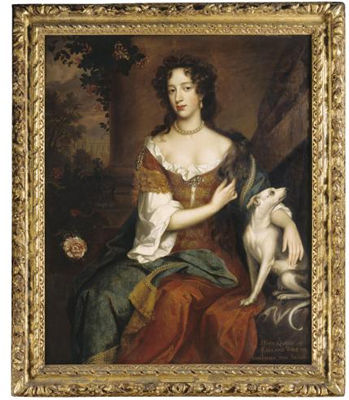
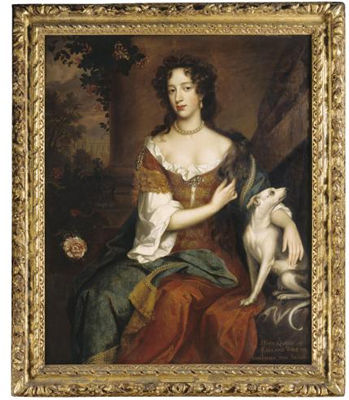
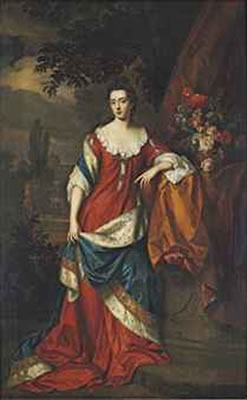
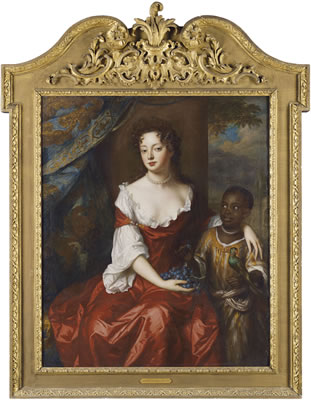
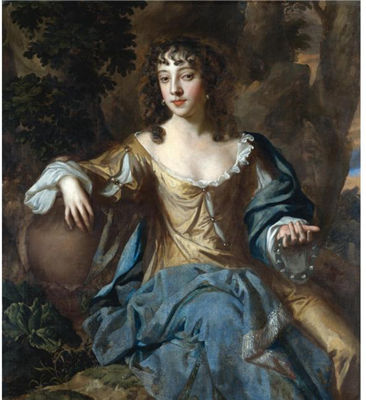
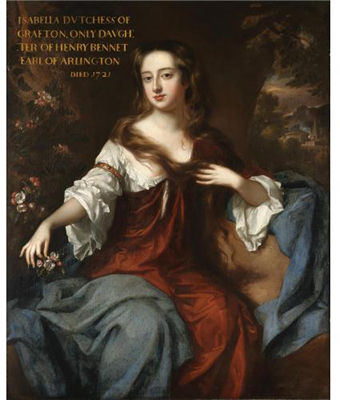
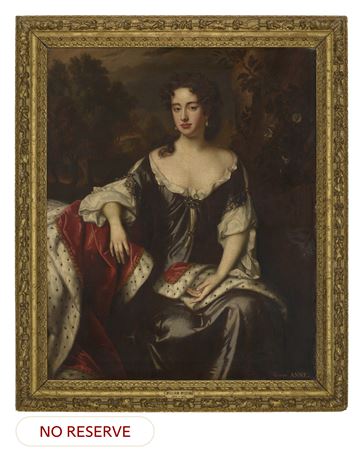
William Wissing, Dutch ca.1656 - 1687. Though from Amsterdam, Wissing's early training took place under Willem Doudyns, a historical painter of The Hague. From there it is believed that he went to... Read full biography
William Wissing, Dutch ca.1656 - 1687. Though from Amsterdam, Wissing's early training took place under Willem Doudyns, a historical painter of The Hague. From there it is believed that he went to France where he acquired a passion for metallic flowers, huge weeds and fancy accessories. It is... Read full biography
William Wissing, Dutch ca.1656 - 1687. Though from Amsterdam, Wissing's early training took place under Willem Doudyns, a historical painter of The Hague. From there it is believed that he went to France where he acquired a passion for metallic flowers, huge weeds and fancy accessories. It is presumed he entered Sir Peter Lely's studio upon arriving in England in 1676. Wissing came to be considered the most important of Lely's later pupils, and grew into fashion after the death of his master.... Read full biography
William Wissing, Dutch ca.1656 - 1687. Though from Amsterdam, Wissing's early training took place under Willem Doudyns, a historical painter of The Hague. From there it is believed that he went to France where he acquired a passion for metallic flowers, huge weeds and fancy accessories. It is presumed he entered Sir Peter Lely's studio upon arriving in England in 1676. Wissing came to be considered the most important of Lely's later pupils, and grew into fashion after the death of his master. The artist found obvious favor with the nobility, to the point of painting the royal family members. Apparently his good manners and gentleness recommended him well. Descamps, in his "Life of Wissing" comments; "In drawing his portraits, especially... Read full biography
William Wissing, Dutch ca.1656 - 1687. Though from Amsterdam, Wissing's early training took place under Willem Doudyns, a historical painter of The Hague. From there it is believed that he went to France where he acquired a passion for metallic flowers, huge weeds and fancy accessories. It is presumed he entered Sir Peter Lely's studio upon arriving in England in 1676. Wissing came to be considered the most important of Lely's later pupils, and grew into fashion after the death of his master. The artist found obvious favor with the nobility, to the point of painting the royal family members. Apparently his good manners and gentleness recommended him well. Descamps, in his "Life of Wissing" comments; "In drawing his portraits, especially those of the fair sex, he always took the 'beautiful' likeness; and when any lady came to sit to him, w... Read full biography
Willem Wissing - Art Prices in Auction LotsAuction Lots