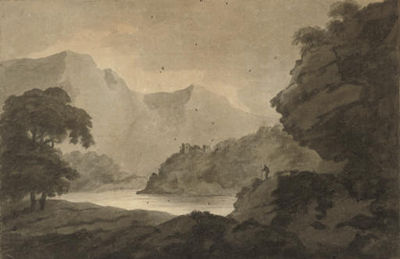
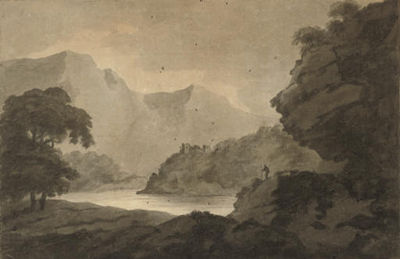
1724 - 1804. Known for: Ideal landscape painting.
William Gilpin was a clergyman, schoolmaster, and artist from England who lived in the 18th century. He is best known for originating the idea of the picturesque, which he defined as "that kind of...
Read full biography William Gilpin was a clergyman, schoolmaster, and artist from England who lived in the 18th century. He is best known for originating the idea of the picturesque, which he defined as "that kind of beauty which is agreeable in a picture." He traveled extensively and recorded his thoughts and...
Read full biography William Gilpin was a clergyman, schoolmaster, and artist from England who lived in the 18th century. He is best known for originating the idea of the picturesque, which he defined as "that kind of beauty which is agreeable in a picture." He traveled extensively and recorded his thoughts and sketches in notebooks, which he shared with friends such as Thomas Gray, Horace Walpole, and King George III. In 1782, he published "Observations on the River Wye," which was illustrated with aquatints of...
Read full biography William Gilpin was a clergyman, schoolmaster, and artist from England who lived in the 18th century. He is best known for originating the idea of the picturesque, which he defined as "that kind of beauty which is agreeable in a picture." He traveled extensively and recorded his thoughts and sketches in notebooks, which he shared with friends such as Thomas Gray, Horace Walpole, and King George III. In 1782, he published "Observations on the River Wye," which was illustrated with aquatints of his sketches.
William Gilpin was a clergyman, schoolmaster, and artist from England who lived in the 18th century. He is best known for originating the idea of the picturesque, which he defined as "that kind of beauty which is agreeable in a picture." He traveled extensively and recorded his thoughts and sketches in notebooks, which he shared with friends such as Thomas Gray, Horace Walpole, and King George III. In 1782, he published "Observations on the River Wye," which was illustrated with aquatints of his sketches.