Page loaded successfully. Showing biography for Adrian Jones.
Adrian Jones BIOGRAPHY
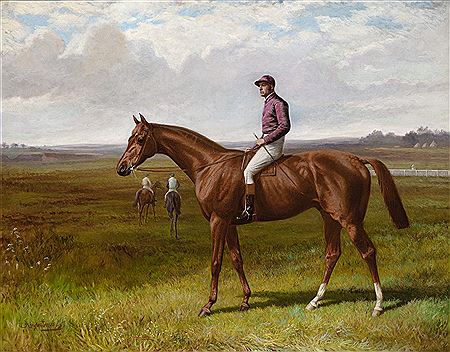
1845 Ludlow, Shropshire, England - 1938. Known for: Equestrian genre painting, horse portraits, dignitaries and memorial sculpture.
Adrian Jones MVO (9 February 1845 – 24 January 1938) was an English sculptor and painter who specialized in animals, particularly horses. He created the sculpture Peace descending on the Quadriga of... Read full biography
Adrian Jones MVO (9 February 1845 – 24 January 1938) was an English sculptor and painter who specialized in animals, particularly horses. He created the sculpture Peace descending on the Quadriga of War, on top of the Wellington Arch at Hyde Park Corner in London. Before becoming a full-time artist... Read full biography
Adrian Jones MVO (9 February 1845 – 24 January 1938) was an English sculptor and painter who specialized in animals, particularly horses. He created the sculpture Peace descending on the Quadriga of War, on top of the Wellington Arch at Hyde Park Corner in London. Before becoming a full-time artist he was an army veterinary surgeon. Adrian Jones was born in Ludlow, Shropshire, and studied at the Royal Veterinary College, qualifying as a veterinary surgeon in 1866. He enrolled in the Army as a... Read full biography
Adrian Jones MVO (9 February 1845 – 24 January 1938) was an English sculptor and painter who specialized in animals, particularly horses. He created the sculpture Peace descending on the Quadriga of War, on top of the Wellington Arch at Hyde Park Corner in London. Before becoming a full-time artist he was an army veterinary surgeon. Adrian Jones was born in Ludlow, Shropshire, and studied at the Royal Veterinary College, qualifying as a veterinary surgeon in 1866. He enrolled in the Army as a veterinary officer in the Royal Horse Artillery the following year and served from 1867 to 1890. During this time he saw service in the Abyssinian Expedition of 1868 before joining the 3rd Hussars in 1869. From 1871 to 1881 he served with the Queen's... Read full biography
Adrian Jones MVO (9 February 1845 – 24 January 1938) was an English sculptor and painter who specialized in animals, particularly horses. He created the sculpture Peace descending on the Quadriga of War, on top of the Wellington Arch at Hyde Park Corner in London. Before becoming a full-time artist he was an army veterinary surgeon. Adrian Jones was born in Ludlow, Shropshire, and studied at the Royal Veterinary College, qualifying as a veterinary surgeon in 1866. He enrolled in the Army as a veterinary officer in the Royal Horse Artillery the following year and served from 1867 to 1890. During this time he saw service in the Abyssinian Expedition of 1868 before joining the 3rd Hussars in 1869. From 1871 to 1881 he served with the Queen's Bays in Ireland and was then attached to the 7th Hussars and fought with them in the Anglo-Transvaal war in 1881. In South Africa he was att... Read full biography
Artist Biography
Biography page for Adrian Jones ((1845 - 1938)), known for Equestrian genre painting, horse portraits, dignitaries and memorial sculpture. Showing 2 biographical entries and 0 sample artworks.
Adrian Jones - Artist Info
About Adrian Jones
Name variants
Alfred Adrian Jones
Biography from the Archives of askART
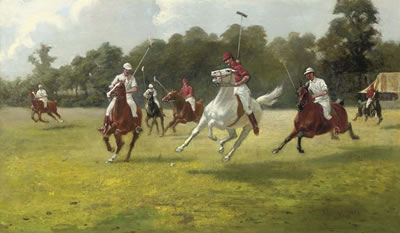 Adrian Jones MVO (9 February 1845 – 24 January 1938) was an English sculptor and painter who specialized in animals, particularly horses. He created the sculpture Peace descending on the Quadriga of War, on top of the Wellington Arch at Hyde Park Corner in London. Before becoming a full-time artist he was an army veterinary surgeon.
Adrian Jones was born in Ludlow, Shropshire, and studied at the Royal Veterinary College, qualifying as a veterinary surgeon in 1866. He enrolled in the Army as a veterinary officer in the Royal Horse Artillery the following year and served from 1867 to 1890. During this time he saw service in the Abyssinian Expedition of 1868 before joining the 3rd Hussars in 1869.
From 1871 to 1881 he served with the Queen's Bays in Ireland and was then attached to the 7th Hussars and fought with them in the Anglo-Transvaal war in 1881. In South Africa he was attached to the Inniskilling Dragoons. In 1884 Jones served in Egypt where he selected camels for the Nile Expedition and finally joined the 2nd Life Guards, retiring in 1890 with the rank of captain.
He was already active as an artist by this time, having exhibited at the Royal Academy as early as 1884, giving his address as "The Studio, Chelsea"
On retirement from the Army he set himself up as an artist. His training as a veterinary surgeon gave him a deep knowledge of equine anatomy which he used in his work to great effect.
Jones' best-known work is probably the sculpture Peace descending on the Quadriga of War, which surmounts the Wellington Arch at Hyde Park Corner, London. This replaced an equestrian statue of the Duke of Wellington which is now at Aldershot. It was created as a memorial for Edward VII, and was placed on public view in 1912.
File WORK 20/52 held at the National Archives gives some further background information on the "Quadriga". The period covered by the correspondence in this file opens in August 1890. We learn from these papers that in December 1907 Jones had the model ready for inspection and this was finally accepted in May 1908.
There are several letters in the file from both Adrian Jones and A.B. Burton who cast the statue at his Thames Ditton Foundry.
The casting was completed by November 1911 and the complex matter of hoisting the Quadriga into position took place in January 1912. In April 1912 the King and Queen drove through the arch and were presented to both Jones and Burton. In October 1913 the Quadriga was formally placed in the charge of Office of Works.
The Statue of Prince George, Duke of Cambridge stands in Whitehall and is another of Jones' magnificent representations of a horse. The statue was cast by A.B. Burton at his Thames Ditton Foundry and was unveiled on 15 June 1907.
Source:
Wikipedia, 2020
* For more in-depth information about these terms and others, see AskART.com. Glossary http://www.askart.com/AskART/lists/Art_Definition.aspxBiography from Bonhams Knightsbridge
Adrian Jones was a British sculptor and painter who specialised in the depiction of animals, in particular horses. Born in Ludlow, Shropshire, he studied at the Royal Veterinary College, London and in 1866 he qualified as a veterinary surgeon. The following year he enlisted in the Army as a veterinary officer in the Royal Horse Artillery with whom he served between 1867 and 1890.
After an illustrious military career, travelling extensively and serving overseas, Jones retired in 1891 with the rank of captain. By this time, he was already active as an artist, having exhibited at the Royal Academy as early as 1884. In 1891 he married and moved to 147 Church Street, Chelsea where he built an art studio in the garden.
In 1888 Jones received his first formal commission, to sculpt the outstanding racehorse Ormonde, a triple crown winner, from the Duke of Westminster. The quality and success of this first commission ensured that he attracted the patronage of other horse owners and he soon became nationally renowned as an equestrian sculptor of some of the Turf's greatest racehorses.
His training as a veterinary surgeon also gave him a deep knowledge of equine anatomy which he used in his work with great success.Throughout the course of his artistic career Adrian Jones undertook many public monumental commissions, most notable of which is perhaps 'Peace descending on the Quadriga of War' on top of the Wellington Arch at Hyde Park Corner in London.