Page loaded successfully. Showing biography for Bill Mittag.
Bill Mittag BIOGRAPHY
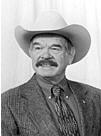
1935 Texas - 2025. Known for: Landscape, genre, and animal painting.
Bill Mittag, was born in west Texas and grew up in southeastern New Mexico. He is a graduate of New Mexico State University. He primarily paints historical Native American camp scenes in the era... Read full biography
Bill Mittag, was born in west Texas and grew up in southeastern New Mexico. He is a graduate of New Mexico State University. He primarily paints historical Native American camp scenes in the era before the American west was changed forever by the great western migration. Mittag is mostly self... Read full biography
Bill Mittag, was born in west Texas and grew up in southeastern New Mexico. He is a graduate of New Mexico State University. He primarily paints historical Native American camp scenes in the era before the American west was changed forever by the great western migration. Mittag is mostly self taught but has taken workshops at the Scottsdale Artist School and the Cowboy Artists of America. 2009 exhibitions: . CM Russell Auction - Gilcrease Museum (miniature)- CM Russell Museum - Collectors Covey... Read full biography
Bill Mittag, was born in west Texas and grew up in southeastern New Mexico. He is a graduate of New Mexico State University. He primarily paints historical Native American camp scenes in the era before the American west was changed forever by the great western migration. Mittag is mostly self taught but has taken workshops at the Scottsdale Artist School and the Cowboy Artists of America. 2009 exhibitions: . CM Russell Auction - Gilcrease Museum (miniature)- CM Russell Museum - Collectors Covey (miniature)- Settlers West (miniature)- Couer d' Alene Gallery (miniature)- Museum of Western Art - Mountain Oyster Show - Nita Stewart Haley Library. Periodical Update - Several Editorial in 2009 Western Art Collector Magazine.... Read full biography
Bill Mittag, was born in west Texas and grew up in southeastern New Mexico. He is a graduate of New Mexico State University. He primarily paints historical Native American camp scenes in the era before the American west was changed forever by the great western migration. Mittag is mostly self taught but has taken workshops at the Scottsdale Artist School and the Cowboy Artists of America. 2009 exhibitions: . CM Russell Auction - Gilcrease Museum (miniature)- CM Russell Museum - Collectors Covey (miniature)- Settlers West (miniature)- Couer d' Alene Gallery (miniature)- Museum of Western Art - Mountain Oyster Show - Nita Stewart Haley Library. Periodical Update - Several Editorial in 2009 Western Art Collector Magazine.... Read full biography
Artist Biography
Biography page for Bill Mittag ((1935 - 2025)), known for Landscape, genre, and animal painting. Showing 4 biographical entries and 0 sample artworks.
Bill Mittag - Artist Info
About Bill Mittag
Biography from the Archives of askART
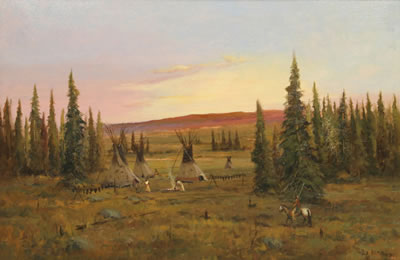 Bill Mittag, was born in west Texas and grew up in southeastern New Mexico.
He is a graduate of New Mexico State University. He primarily paints historical Native American camp scenes in the era before the American west was changed forever by the great western migration. Mittag is mostly self taught but has taken workshops at the Scottsdale Artist School and the Cowboy Artists of America.
2009 exhibitions:
CM Russell Auction - Gilcrease Museum (miniature)- CM Russell Museum - Collectors Covey (miniature)- Settlers West (miniature)- Couer d' Alene Gallery (miniature)- Museum of Western Art - Mountain Oyster Show - Nita Stewart Haley Library.
Periodical Update - Several Editorial in 2009 Western Art Collector Magazine.Biography from the Archives of askART
 Bill Mittag
Artist Bill Mittag, who has participated in the life of our museum for many years, died January 4, 2025. He was 89. Bill was known for his favorite subject matter, the Northern and Southern Plains Tribes, usually in peaceful camp settings. Our condolences to his family and many friends. Happy Trails, old friend!
Source: The Museum of Western ArtBiography from Taos Gallery
BILL MITTAG
Living in Phoenix, Arizona
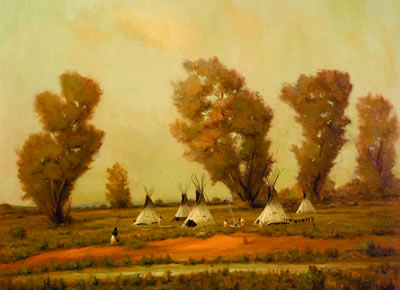
Bill Mittag is a distinguished painter of early western landscapes, portraying Native American life and frequently including their handsome teepees among his majestic and expansive views.
Born in West Texas, Mittag lived 15 miles from the nearest small town and as a young boy, had the freedom to roam the countryside on horseback. It was a natural progression to go from his rural childhood and rodeo experiences to incorporating this authenticity into the stories behind the subject matter of his present day art.
Even before he started painting, he spent countless hours looking at the American West through the eyes of Charles Russell and Frederic Remington. Today, Mittag's own historical paintings follow the Plains Indians of North America during the late 1700 and early 1800's. The parched landscapes, dotted with camp scenes, tell the story of the west before the vast expanses of land were forever changed by shadowcatchers, soldiers and road builders. Acutely attuned to detail, he devours reference books about various tribes and researches old photographs to add historical and geographical accuracy to each painting.
The perspective he masterfully creates takes the viewer beyond historical moment or a well-executed landscape and allows us to actually feel the impact of the western landscape on the Native Americans who followed the buffalo. The enormity of the Great Plains, the ruggedness of the terrain, and the rapidly changing weather all come to life through the artist's techniqueand visual storytelling. The movement suggested by the impending storm or the bountiful return of the hunters to camp carries our mind forward as we complete the story. Stepping back, we realize that this accomplished artist has given us a taste of the American West and artfully drawn us into its history.
Mittag's art has the unique style of the Old Taos Masters, utilizing strong strokes of warm colors while imparting a feeling that the observer has an intimate glimpse of the realities of life in his Native American scenes. Though basically self taught, he has taken workshops from notable instructors at the Scottsdale Artists School and the Cowboy Artists of America.
He has participated in numerous juried shows including the Gilcrease Museum Miniature, The Nita Stewart Haley Library Show, Charles Russell Museum Auction, Mountain Oyster Western Art, Cheyenne Frontier Days, George Phippen Western Art, and the Southwest Classic in Kerrville, Texas. In December 1998, he had a special exhibition at The Taos Gallery Scottsdale.Biography from Whistle Pik Galleries
Bill Mittag, as a child growing up in the sand hills of southeastern New Mexico, had the freedom to roam the countryside on his "little paint mare". "I shot bank robbers, chased Indians, and won the Cheyenne Steer Roping competition several times a week," he says with a soft chuckle as he describes his lifelong interest in the American West.
Mittag lived 15 miles from the nearest small town and as a young boy, had the freedom to roam the countryside on horseback. It was a natural progression to go from his rural childhood and rodeo experiences to incorporating this authenticity into the stories behind the subject matter in his present day art.
Before he started painting, he spent countless hours looking at the American West through the eyes of Charles Russell and Frederic Remington. Today, Mittag's own historical paintings follow the Plains Indians of North America during the late 1700 and early 1800's.
The parched landscapes, dotted with camp scenes, tell the story of the West before the vast expanses of land were forever changed by shadow catchers (photographers), soldiers and road builders. Acutely attuned to detail, he devours reference books about various tribes and researches old price list to add historical and geographical accuracy to each painting.
On canvas, Mittag boldly sets the intricate details of camp life against a more suggestive, impressionistic landscape. His unique ability to move with ease from highly controlled, intricate strokes to broad, loose brush and palette knife work sets him apart from other painters of western landscapes who limit themselves to one style or the other. Starting with a monotone composition, he moves forward with color, always letting the sky determine the mood of the painting. Finishing with the details of daily camp life, Mittag carefully eliminates competing brush strokes and strives to remain true to historical accuracy. The perspective he masterfully creates takes the viewer beyond a historical moment or a well-executed landscape and allows us to actually feel the impact of the western landscape on the Native Americans who followed the buffalo.
The enormity of the Great Plains, the ruggedness of the terrain, and the rapidly changing weather all come to life through the artist's technique and visual storytelling. The movement suggested by the impending storm or the bountiful return of the hunters to camp carries our mind forward as we complete the story. Stepping back, we realize that this accomplished artist has given us a taste of the American West and artfully drawn us into its history.
Mittag paints in oil on linen or linen panel. His art has the unique style of the Old Taos Masters, utilizing strong strokes of warm colors while imparting a feeling that the observer has an intimate glimpse into the realities of life in Native America. Though basically self taught, he has taken workshops from notable instructors at the Scottsdale Artists School and the Cowboy Artists of America.