Page loaded successfully. Showing biography for Billy Thomas.
Billy Thomas BIOGRAPHY
1920 - 2012. Known for: Aboriginal art.
Billy Thomas belonged to the Wangkatjunga language group and was born near Kulyayi (Well 42) on the Canning Stock Route. As a boy he lead a traditional life until his teenage years when he first met... Read full biography
Billy Thomas belonged to the Wangkatjunga language group and was born near Kulyayi (Well 42) on the Canning Stock Route. As a boy he lead a traditional life until his teenage years when he first met kartiya (white people) and became a stockman working on the Route. When still young, he encountered... Read full biography
Billy Thomas belonged to the Wangkatjunga language group and was born near Kulyayi (Well 42) on the Canning Stock Route. As a boy he lead a traditional life until his teenage years when he first met kartiya (white people) and became a stockman working on the Route. When still young, he encountered Rover Thomas (c.1926-1998, no relative) working with the cattle at Kukupanyu (Well 39). Their meeting probably occurred in the early 1940s. Little would they have thought then about what would bring... Read full biography
Billy Thomas belonged to the Wangkatjunga language group and was born near Kulyayi (Well 42) on the Canning Stock Route. As a boy he lead a traditional life until his teenage years when he first met kartiya (white people) and became a stockman working on the Route. When still young, he encountered Rover Thomas (c.1926-1998, no relative) working with the cattle at Kukupanyu (Well 39). Their meeting probably occurred in the early 1940s. Little would they have thought then about what would bring them together again half a century later. Billy Thomas began to paint in the public domain in 1995 when he approached Waringarri Arts in Kununurra to supply him with painting materials. Prior to that, he did not belong to any community of artists, as... Read full biography
Billy Thomas belonged to the Wangkatjunga language group and was born near Kulyayi (Well 42) on the Canning Stock Route. As a boy he lead a traditional life until his teenage years when he first met kartiya (white people) and became a stockman working on the Route. When still young, he encountered Rover Thomas (c.1926-1998, no relative) working with the cattle at Kukupanyu (Well 39). Their meeting probably occurred in the early 1940s. Little would they have thought then about what would bring them together again half a century later. Billy Thomas began to paint in the public domain in 1995 when he approached Waringarri Arts in Kununurra to supply him with painting materials. Prior to that, he did not belong to any community of artists, as such he was independent. However, decades of ceremonial practice equipped him with the repertoire of his p... Read full biography
Artist Biography
Biography page for Billy Thomas ((1920 - 2012)), known for Aboriginal art. Showing 1 biographical entries and 0 sample artworks.
Billy Thomas - Artist Info
About Billy Thomas
Biography from Mossgreen Auctions (CLOSED)
Billy Thomas belonged to the Wangkatjunga language group and was born near Kulyayi (Well 42) on the Canning Stock Route. As a boy he lead a traditional life until his teenage years when he first met kartiya (white people) and became a stockman working on the Route. When still young, he encountered Rover Thomas (c.1926-1998, no relative) working with the cattle at Kukupanyu (Well 39). Their meeting probably occurred in the early 1940s. Little would they have thought then about what would bring them together again half a century later.
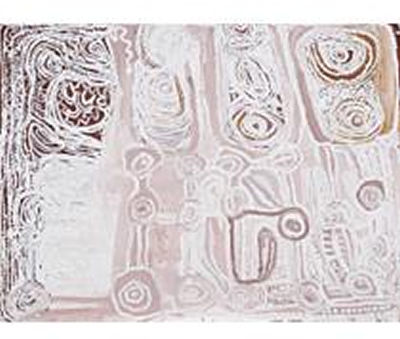
Billy Thomas began to paint in the public domain in 1995 when he approached Waringarri Arts in Kununurra to supply him with painting materials. Prior to that, he did not belong to any community of artists, as such he was independent. However, decades of ceremonial practice equipped him with the repertoire of his public paintings. Invariably, these are about ceremony; the formations of people in ritual, the body painting designs and the ground patterns, as is the case in Young Women's Corroboree. Thomas describes this picture as showing two groups of women preparing for ceremony: they are separated by a central line which in reality would be a physical barrier. The painting is characteristic of Thomas' œuvre in that he hints at ritual patterns but then conceals, overpaints and merges these designs, physically erasing from view those elements deemed sacred/secret. Erasure however, does not entail obliteration: the visual echo of what was there remains and gains in conceptual force.
Wally Caruana