Page loaded successfully. Showing biography for Boris Margo.
Boris Margo BIOGRAPHY

1902 Wolotschisk, Ukraine - 1995 Hyannis, Massachusetts. Known for: Fantasy and surreal printmaking and painting.
Boris Margo was born in 1902, in Volochisk; a Ukrainian river town on the border of what was then Austria and Russia. Margo received his formal art training at the Polytechnik of Art in Odessa and... Read full biography
Boris Margo was born in 1902, in Volochisk; a Ukrainian river town on the border of what was then Austria and Russia. Margo received his formal art training at the Polytechnik of Art in Odessa and through various study grants that allowed him to study at Futemas (workshop for the art of the future)... Read full biography
Boris Margo was born in 1902, in Volochisk; a Ukrainian river town on the border of what was then Austria and Russia. Margo received his formal art training at the Polytechnik of Art in Odessa and through various study grants that allowed him to study at Futemas (workshop for the art of the future) in Moscow, and with avant-garde Cubist-Surrealist painter Pavel Filinov. After earning his certificate from the Polytechnik in 1928, he received a government permit to study abroad. He lived briefly... Read full biography
Boris Margo was born in 1902, in Volochisk; a Ukrainian river town on the border of what was then Austria and Russia. Margo received his formal art training at the Polytechnik of Art in Odessa and through various study grants that allowed him to study at Futemas (workshop for the art of the future) in Moscow, and with avant-garde Cubist-Surrealist painter Pavel Filinov. After earning his certificate from the Polytechnik in 1928, he received a government permit to study abroad. He lived briefly in Montreal, Canada and in 1930 he settled permanently in the United States. Once in the United States, Margo worked predominantly in New York City and spent his summers with the avant-garde community in Provincetown, Massachusetts. Margo's style of... Read full biography
Boris Margo was born in 1902, in Volochisk; a Ukrainian river town on the border of what was then Austria and Russia. Margo received his formal art training at the Polytechnik of Art in Odessa and through various study grants that allowed him to study at Futemas (workshop for the art of the future) in Moscow, and with avant-garde Cubist-Surrealist painter Pavel Filinov. After earning his certificate from the Polytechnik in 1928, he received a government permit to study abroad. He lived briefly in Montreal, Canada and in 1930 he settled permanently in the United States. Once in the United States, Margo worked predominantly in New York City and spent his summers with the avant-garde community in Provincetown, Massachusetts. Margo's style of representation ranges from Surrealism in the 1930s; through abstraction imbued with biomorphic imagery in the 1940s; and finally, to luminous ca... Read full biography
Artist Biography
Biography page for Boris Margo ((1902 - 1995)), known for Fantasy and surreal printmaking and painting. Showing 2 biographical entries and 0 sample artworks.
Boris Margo - Artist Info
About Boris Margo
Name variants
Boris Margow
Biography from Michael Rosenfeld Gallery
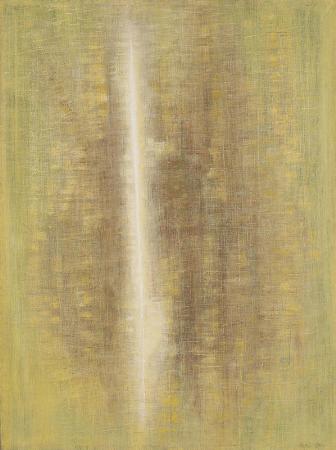 Boris Margo was born in 1902, in Volochisk; a Ukrainian river town on the border of what was then Austria and Russia. Margo received his formal art training at the Polytechnik of Art in Odessa and through various study grants that allowed him to study at Futemas (workshop for the art of the future) in Moscow, and with avant-garde Cubist-Surrealist painter Pavel Filinov. After earning his certificate from the Polytechnik in 1928, he received a government permit to study abroad. He lived briefly in Montreal, Canada and in 1930 he settled permanently in the United States.
Once in the United States, Margo worked predominantly in New York City and spent his summers with the avant-garde community in Provincetown, Massachusetts. Margo's style of representation ranges from Surrealism in the 1930s; through abstraction imbued with biomorphic imagery in the 1940s; and finally, to luminous calligraphic abstractions of the early 1950s. Today, he is perhaps best known for his innovations as a painter/printmaker, including the development of "decalcomania," (a favorite technique of the Surrealists) and the invention of the cellocut technique, a forerunner of the collograph and other high-relief printmaking processes.
The Betty Parsons Gallery represented Margo from 1947 to 1962 and since that time, his work has been exhibited extensively throughout the United States and Europe. Margo is represented in numerous public collections including the Art Institute of Chicago, The Metropolitan Museum of Art, The Museum of Modern Art, New York, National Museum of American Art, and Whitney Museum of American Art.Biography from Annex Galleries
Best known as a painter of surrealist imagery, Boris Margo was born in Wolotschisk, Ukraine, in Russia. In 1919 he enrolled at the Polytechnik of Art at Odessa, and in 1924 received a grant to study at the Futemas (Workshop for the Art of the Future) in Moscow. A second grant enabled him to study the work of the Old Masters in the Hermitage Museum in Leningrad and to attend Pavel Filonov's Analytical School of Art in 1927.
In 1928 Margo received a certificate from the Polytechnik and immigrated to Montreal, where he worked as a muralist for a year. Moving to New York City in 1930, he studied at the Roerich Museum, and two years later began teaching there. He began experimenting with celluloid and acetone in his printmaking and was also an early user of the decalomania technique in oil painting.
In 1943 he became an American citizen. Five years later Margo founded a Creative Art Seminar (later called Artists Gallery) in Orlando, Florida, and a year later established a similar venture in Provincetown, Massachusetts.
Margo's first solo exhibition was at the Artists Gallery in New York City. Other important shows were held at the Brooklyn Museum, the Tweed Gallery at the University of Minnesota, Duluth, and the Michael Rosenfeld Gallery in New York in 1993.