Page loaded successfully. Showing biography for Bruce Armstrong.
Bruce Armstrong BIOGRAPHY
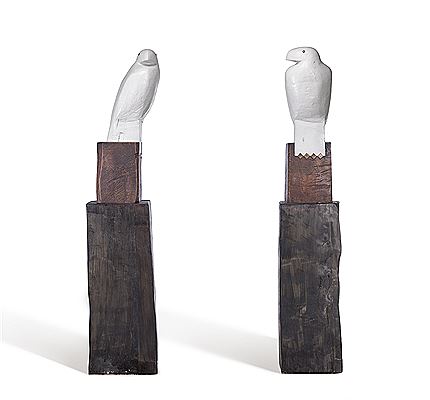
1957 Melbourne, Australia - 2024 Melbourne, Australia. Known for: Monumental figurative sculptures that blend mythic symbolism, animism, and a raw, primal aesthetic.
. Bruce Armstrong was one of Australia’s most prominent sculptors, best known for his monumental carved wooden sculptures that populate public spaces across the country. Born in Melbourne in 1957,... Read full biography
. Bruce Armstrong was one of Australia’s most prominent sculptors, best known for his monumental carved wooden sculptures that populate public spaces across the country. Born in Melbourne in 1957, Armstrong studied at the Royal Melbourne Institute of Technology (RMIT), where he developed a... Read full biography
. Bruce Armstrong was one of Australia’s most prominent sculptors, best known for his monumental carved wooden sculptures that populate public spaces across the country. Born in Melbourne in 1957, Armstrong studied at the Royal Melbourne Institute of Technology (RMIT), where he developed a distinctive sculptural language rooted in mythology, symbolism, and the Australian landscape. Armstrong’s work is characterized by its totemic, thickset forms, often depicting bears, birds, reptiles, and... Read full biography
. Bruce Armstrong was one of Australia’s most prominent sculptors, best known for his monumental carved wooden sculptures that populate public spaces across the country. Born in Melbourne in 1957, Armstrong studied at the Royal Melbourne Institute of Technology (RMIT), where he developed a distinctive sculptural language rooted in mythology, symbolism, and the Australian landscape. Armstrong’s work is characterized by its totemic, thickset forms, often depicting bears, birds, reptiles, and human figures. These creatures, carved from wood or cast in bronze, exude a commanding presence and are imbued with a sense of mystery and timelessness. His sculptures are both archetypal and deeply personal, drawing from Indigenous Australian motifs,... Read full biography
. Bruce Armstrong was one of Australia’s most prominent sculptors, best known for his monumental carved wooden sculptures that populate public spaces across the country. Born in Melbourne in 1957, Armstrong studied at the Royal Melbourne Institute of Technology (RMIT), where he developed a distinctive sculptural language rooted in mythology, symbolism, and the Australian landscape. Armstrong’s work is characterized by its totemic, thickset forms, often depicting bears, birds, reptiles, and human figures. These creatures, carved from wood or cast in bronze, exude a commanding presence and are imbued with a sense of mystery and timelessness. His sculptures are both archetypal and deeply personal, drawing from Indigenous Australian motifs, ancient mythologies, and his own imaginative vocabulary. Among his most recognized public works are Eagle (2002), a towering bron... Read full biography
Artist Biography
Biography page for Bruce Armstrong ((1957 - 2024)), known for Monumental figurative sculptures that blend mythic symbolism, animism, and a raw, primal aesthetic. Showing 1 biographical entries and 0 sample artworks.
Bruce Armstrong - Artist Info
About Bruce Armstrong
Biography from Menzies (formerly Deutscher-Menzies) Sydney
Bruce Armstrong was one of Australia’s most prominent sculptors, best known for his monumental carved wooden sculptures that populate public spaces across the country. Born in Melbourne in 1957, Armstrong studied at the Royal Melbourne Institute of Technology (RMIT), where he developed a distinctive sculptural language rooted in mythology, symbolism, and the Australian landscape.
Armstrong’s work is characterized by its totemic, thickset forms, often depicting bears, birds, reptiles, and human figures. These creatures, carved from wood or cast in bronze, exude a commanding presence and are imbued with a sense of mystery and timelessness. His sculptures are both archetypal and deeply personal, drawing from Indigenous Australian motifs, ancient mythologies, and his own imaginative vocabulary.
Among his most recognized public works are Eagle (2002), a towering bronze sculpture at Wurundjeri Way in Melbourne’s Docklands, and Bunjil (2011), a monumental eagle figure installed at the Bunjil Place precinct in Narre Warren. These works have become iconic landmarks, celebrated for their scale, craftsmanship, and cultural resonance.
In 2017, the National Gallery of Victoria honored Armstrong with a major retrospective titled Bruce Armstrong: An Anthology of Strange Creatures, highlighting his enduring fascination with mythological and native animals and his contribution to contemporary Australian sculpture.
Armstrong lived and worked in Melbourne throughout his life. His legacy endures in the many public artworks that continue to shape the visual identity of Australian cities.