Page loaded successfully. Showing biography for ChangSup Chung.
ChangSup Chung BIOGRAPHY
1927 - 2011. Known for: Painting.
In the mid-70s, Chung Changsup’s adoption of Hanji (Korean traditional paper) became a critical juncture in his work. The artist began to incorporate his aesthetic sensibilities into a traditional... Read full biography
In the mid-70s, Chung Changsup’s adoption of Hanji (Korean traditional paper) became a critical juncture in his work. The artist began to incorporate his aesthetic sensibilities into a traditional paper to create abstract art. It allowed his painting materials to thinly spread and permeate into the... Read full biography
In the mid-70s, Chung Changsup’s adoption of Hanji (Korean traditional paper) became a critical juncture in his work. The artist began to incorporate his aesthetic sensibilities into a traditional paper to create abstract art. It allowed his painting materials to thinly spread and permeate into the paper- the style of painting akin to naturalism. Chung along with artists, such as Park SeoBo, Yun HyongKeun, Chung SangHwa, and Ha ChongHyun, played a pivotal role as the first generation of Korean... Read full biography
In the mid-70s, Chung Changsup’s adoption of Hanji (Korean traditional paper) became a critical juncture in his work. The artist began to incorporate his aesthetic sensibilities into a traditional paper to create abstract art. It allowed his painting materials to thinly spread and permeate into the paper- the style of painting akin to naturalism. Chung along with artists, such as Park SeoBo, Yun HyongKeun, Chung SangHwa, and Ha ChongHyun, played a pivotal role as the first generation of Korean monochrome painters. In the 1970s, the artist, through a series titled Returning, explored deeper into a traditional medium, the Hanji paper. He attached rice papers onto the surface of the canvas to naturally spread the ink, a scene which reminds... Read full biography
In the mid-70s, Chung Changsup’s adoption of Hanji (Korean traditional paper) became a critical juncture in his work. The artist began to incorporate his aesthetic sensibilities into a traditional paper to create abstract art. It allowed his painting materials to thinly spread and permeate into the paper- the style of painting akin to naturalism. Chung along with artists, such as Park SeoBo, Yun HyongKeun, Chung SangHwa, and Ha ChongHyun, played a pivotal role as the first generation of Korean monochrome painters. In the 1970s, the artist, through a series titled Returning, explored deeper into a traditional medium, the Hanji paper. He attached rice papers onto the surface of the canvas to naturally spread the ink, a scene which reminds the viewer of moonlight hanging over a traditional Korean-style house. In the 1980s, he began to create hi... Read full biography
Artist Biography
Biography page for ChangSup Chung ((1927 - 2011)), known for Painting. Showing 1 biographical entries and 0 sample artworks.
ChangSup Chung - Artist Info
About ChangSup Chung
Name variants
Chung Chang Sup
Biography from K Auction
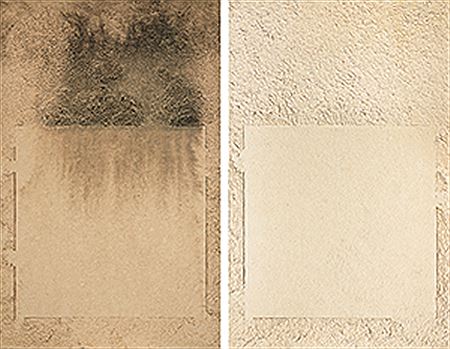
In the mid-70s, Chung Changsup’s adoption of Hanji (Korean traditional paper) became a critical juncture in his work. The artist began to incorporate his aesthetic sensibilities into a traditional paper to create abstract art. It allowed his painting materials to thinly spread and permeate into the paper- the style of painting akin to naturalism.
Chung along with artists, such as Park SeoBo, Yun HyongKeun, Chung SangHwa, and Ha ChongHyun, played a pivotal role as the first generation of Korean monochrome painters. In the 1970s, the artist, through a series titled Returning, explored deeper into a traditional medium, the Hanji paper. He attached rice papers onto the surface of the canvas to naturally spread the ink, a scene which reminds the viewer of moonlight hanging over a traditional Korean-style house.
In the 1980s, he began to create his TAK series, primarily using TAK, the source of Hanji. With its impressive subtle yellowy fibers, the series expresses various landscape scenes with delicate wrinkles made of TAK paste.
“First I put the mulberry fiber in water. The duration it is submersed under water and the length of the fibers determine the appearance. I then take it out of the water and use my hands to cover the canvas with it. Sometimes patting it and sometimes caressing it, I start to converse with the substance. I then wait to see what expression the fiber makes. I put aside my will to create and wait for the mulberry fiber to express itself”.
Like this, the artist’s Returning and TAK series using TAK paper sublimate the world view of Taoism (human being and nature as one)— the juxtaposition of tradition and modernity, Eastern and Western, spirituality and material – through Korean materials and sensibilities.