Charles Clair BIOGRAPHY
Artist Biography
Biography page for Charles Clair ((1860 - 1930)), known for Rural genre, figure, animal, landscape painting. Showing 2 biographical entries and 0 sample artworks.
Charles Clair - Artist Info
About Charles Clair
Name variants
Biography from Dixon-Hall Fine Art
Born at Mars-Sur-Allier, France, Charles H. Clair was a painter and engraver of local subjects, landscapes, and animals. He exhibited regularly at the Salon d'Artistes Francais and was made a member there in 1913.
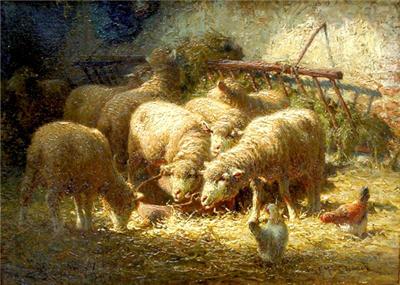
Among the known works are pastoral paintings and paintings with shepherds and flocks at pasture, rustic landscapes, shepherdesses, women washing laundry and harvest scenes.Biography from Setdart
Charles Clair became known for his intense realism. His popularity grew with the taste of the bourgeoisie looking for exotic images with oriental themes. Orientalism was born in the 19th century as a consequence of the romantic spirit of escape in time and space. The first orientalists sought to reflect the lost, the unattainable, in a dramatic journey destined from the beginning to failure. Like Flaubert in "Salambo", painters painted detailed portraits of the Orient and imagined pasts, recreated to the millimeter but ultimately unknown and idealized. During the second half of the 19th century, however, many of the painters who traveled to the Middle East in search of this invented reality discovered a different and new country, which stood out with its peculiarities above the clichés and prejudices of Europeans. Thus, this new orientalist school leaves behind the beautiful odalisques, the harems and the slave markets to paint nothing but what they see, the real Orient in all its daily dimension. Along with the change of vision comes a technical and formal change; since it is no longer a matter of recreating an imagined world in all its details, the brushstroke acquires impressionistic fluency, and the artists focus not so much on the depiction of the types and customs as on the faithful reflection of the atmosphere of the place, of the very identity of the North African populations.