Page loaded successfully. Showing biography for Claudius Linossier.
Claudius Linossier BIOGRAPHY
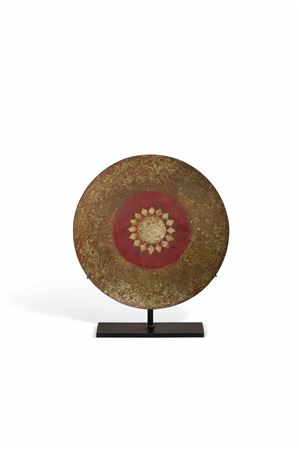
1893 Lyon, France - 1953 Lyon, France. Known for: Ancient Greek inspired vessel, ovoide shaped vases.
The son of a Lyonnais weaver, Claudius Linossier discovered his passion for metal at an early age and was apprenticed to a local silversmith at the age of thirteen. Subsequently, he left Lyon for... Read full biography
The son of a Lyonnais weaver, Claudius Linossier discovered his passion for metal at an early age and was apprenticed to a local silversmith at the age of thirteen. Subsequently, he left Lyon for Paris where he first apprenticed at the studio Cardeilhac, receiving an education in the techniques of... Read full biography
The son of a Lyonnais weaver, Claudius Linossier discovered his passion for metal at an early age and was apprenticed to a local silversmith at the age of thirteen. Subsequently, he left Lyon for Paris where he first apprenticed at the studio Cardeilhac, receiving an education in the techniques of enameling, and next with the period’s premier metalworker, Jean Dunand, where he learned dinanderie. Linossier returned to Lyon in 1920, opened an atelier and began creating his own dinanderie vessels... Read full biography
The son of a Lyonnais weaver, Claudius Linossier discovered his passion for metal at an early age and was apprenticed to a local silversmith at the age of thirteen. Subsequently, he left Lyon for Paris where he first apprenticed at the studio Cardeilhac, receiving an education in the techniques of enameling, and next with the period’s premier metalworker, Jean Dunand, where he learned dinanderie. Linossier returned to Lyon in 1920, opened an atelier and began creating his own dinanderie vessels often inspired by the ancient Greek and Etruscan examples he had previously studied at the Louvre. From his workshop in the Croix Rousse district, he created conical, spherical, or ovoid forms, which he overlaid with his fire-glazed palette of red,... Read full biography
The son of a Lyonnais weaver, Claudius Linossier discovered his passion for metal at an early age and was apprenticed to a local silversmith at the age of thirteen. Subsequently, he left Lyon for Paris where he first apprenticed at the studio Cardeilhac, receiving an education in the techniques of enameling, and next with the period’s premier metalworker, Jean Dunand, where he learned dinanderie. Linossier returned to Lyon in 1920, opened an atelier and began creating his own dinanderie vessels often inspired by the ancient Greek and Etruscan examples he had previously studied at the Louvre. From his workshop in the Croix Rousse district, he created conical, spherical, or ovoid forms, which he overlaid with his fire-glazed palette of red, black and white, from copper, steel and silver. Linossier created extraordinary dinanderie works; he developed... Read full biography
Artist Biography
Biography page for Claudius Linossier ((1893 - 1953)), known for Ancient Greek inspired vessel, ovoide shaped vases. Showing 1 biographical entries and 0 sample artworks.
Claudius Linossier - Artist Info
About Claudius Linossier
Biography from Christie's New York, Rockefeller Center
The son of a Lyonnais weaver, Claudius Linossier discovered his passion for metal at an early age and was apprenticed to a local silversmith at the age of thirteen. Subsequently, he left Lyon for Paris where he first apprenticed at the studio Cardeilhac, receiving an education in the techniques of enameling, and next with the period’s premier metalworker, Jean Dunand, where he learned dinanderie.
Linossier returned to Lyon in 1920, opened an atelier and began creating his own dinanderie vessels often inspired by the ancient Greek and Etruscan examples he had previously studied at the Louvre. From his workshop in the Croix Rousse district, he created conical, spherical, or ovoid forms, which he overlaid with his fire-glazed palette of red, black and white, from copper, steel and silver.
Linossier created extraordinary dinanderie works; he developed alloys which produced remarkable rich tones and colors and, choosing not to work with enamel and lacquer, he incorporated traditional metal incrustations and used hammering and patination for his surface treatment.
Linossier first exhibited his designs at the Galerie Rouard or through André Sornay, however as his work became more prolific he was further represented by the Galerie Devambez, Hébrard, and through Émile-Jacques Ruhlmann, 1923-1924. He exhibited at several stands at the Exposition Internationale des Arts Décoratifs et Industriels Modernes, Paris in 1925, and received numerous awards and accolades, including the Florence Blumenthal scholarship that granted exposure to the United States, and the Grand Prix at the Paris Exposition Universelle in 1937.