Page loaded successfully. Showing biography for Daniel Heil.
Daniel Heil BIOGRAPHY
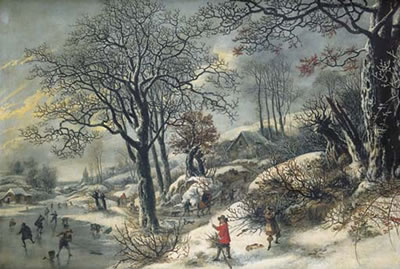
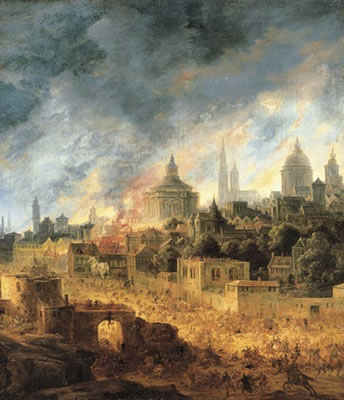
1604 Brussels, Belgium - 1662/1664 Brussels, Belgium. Known for: Landscape painting, scenes with fires.
Daniel van Heil (1604–1662/1664) was a Flemish Baroque landscape painter from Brussels, renowned for his dramatic scenes of city fires, winter landscapes, and architectural ruins. Born into an... Read full biography
Daniel van Heil (1604–1662/1664) was a Flemish Baroque landscape painter from Brussels, renowned for his dramatic scenes of city fires, winter landscapes, and architectural ruins. Born into an artistic family—his father Leo (or Leon) was a painter, and his brothers Leo and Jan Baptist were also... Read full biography
Daniel van Heil (1604–1662/1664) was a Flemish Baroque landscape painter from Brussels, renowned for his dramatic scenes of city fires, winter landscapes, and architectural ruins. Born into an artistic family—his father Leo (or Leon) was a painter, and his brothers Leo and Jan Baptist were also active as an architect-painter and portraitist—van Heil likely received his earliest training within the family workshop. He became a master in the Brussels Guild of St. Luke in 1627, marking his formal... Read full biography
Daniel van Heil (1604–1662/1664) was a Flemish Baroque landscape painter from Brussels, renowned for his dramatic scenes of city fires, winter landscapes, and architectural ruins. Born into an artistic family—his father Leo (or Leon) was a painter, and his brothers Leo and Jan Baptist were also active as an architect-painter and portraitist—van Heil likely received his earliest training within the family workshop. He became a master in the Brussels Guild of St. Luke in 1627, marking his formal entry into the city’s professional artistic community. Van Heil developed a distinctive specialization in three principal subjects: winter landscapes, landscapes with ruins, and conflagrations of cities. His winter scenes are admired for their cool,... Read full biography
Daniel van Heil (1604–1662/1664) was a Flemish Baroque landscape painter from Brussels, renowned for his dramatic scenes of city fires, winter landscapes, and architectural ruins. Born into an artistic family—his father Leo (or Leon) was a painter, and his brothers Leo and Jan Baptist were also active as an architect-painter and portraitist—van Heil likely received his earliest training within the family workshop. He became a master in the Brussels Guild of St. Luke in 1627, marking his formal entry into the city’s professional artistic community. Van Heil developed a distinctive specialization in three principal subjects: winter landscapes, landscapes with ruins, and conflagrations of cities. His winter scenes are admired for their cool, restrained palette and subtle atmospheric effects, while his ruin landscapes reflect the seventeenth-century fascination with the poetry o... Read full biography
Artist Biography
Biography page for Daniel Heil ((1604 - 1662/1664)), known for Landscape painting, scenes with fires. Showing 2 biographical entries and 0 sample artworks.
Daniel Heil - Artist Info
About Daniel Heil
Biography from the Archives of askART
 Daniel van Heil (1604–1662/1664) was a Flemish Baroque landscape painter from Brussels, renowned for his dramatic scenes of city fires, winter landscapes, and architectural ruins. Born into an artistic family—his father Leo (or Leon) was a painter, and his brothers Leo and Jan Baptist were also active as an architect-painter and portraitist—van Heil likely received his earliest training within the family workshop. He became a master in the Brussels Guild of St. Luke in 1627, marking his formal entry into the city’s professional artistic community.
Van Heil developed a distinctive specialization in three principal subjects: winter landscapes, landscapes with ruins, and conflagrations of cities. His winter scenes are admired for their cool, restrained palette and subtle atmospheric effects, while his ruin landscapes reflect the seventeenth-century fascination with the poetry of decay. His most striking and original contribution, however, lies in his dramatic depictions of burning cities—compositions that allowed him to explore spectacular contrasts of light and shadow. These works often blend contemporary architectural settings with mythological or biblical narratives, a hybrid approach that reflects both artistic convention and the lived experience of an era marked by war and urban destruction.
Contemporaries and later commentators praised van Heil for his mastery of chiaroscuro, his natural tonal range, and his variety of landscape motifs. His handling was described as light, free, and firmly controlled, with a strong sense of colour and atmospheric truth. Among his most admired compositions are The Destruction of Troy, The Burning of Sodom, and several refined winter landscapes.
Although little documentation survives about his personal life or patrons, van Heil’s paintings were widely collected, and his influence extended through his son, Theodoor van Heil, who trained with him and continued working in similar subjects and style. Daniel van Heil spent his entire career in Brussels, where he died—sources variously giving 1662 or 1664 as the year of his death.Biography from Pierre Berge
Daniel van Heil was born in 1604. A painter of history and landscapes, Daniel van Heil was probably a pupil of Gaspard de Crayer. He painted mainly fires, such as the Sodom's Fire preserved in the Museum of Besançon or the Fire Scene preserved at the Museum of Lille.