Page loaded successfully. Showing biography for David Fertig.
David Fertig BIOGRAPHY
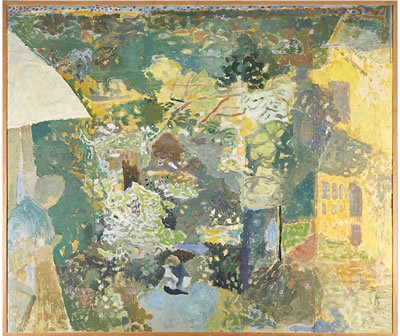
Born 1946. Known for: Small-scale landscape and abstract painting.
The life and times of the late 18th Century, especially the pomp and pageantry of the military have been the focus of David Fertig’s work for the last decade. While it is tempting to see Fertig as a... Read full biography
The life and times of the late 18th Century, especially the pomp and pageantry of the military have been the focus of David Fertig’s work for the last decade. While it is tempting to see Fertig as a history painter, yearning to resurrect the ancient dichotomy of Academicism versus Romanticism, this... Read full biography
The life and times of the late 18th Century, especially the pomp and pageantry of the military have been the focus of David Fertig’s work for the last decade. While it is tempting to see Fertig as a history painter, yearning to resurrect the ancient dichotomy of Academicism versus Romanticism, this viewpoint is not correct. Fertig’s ambition is to engage a much more current moment in the history of painting, namely the New York School, its antecedents and aftershocks, Especially as it relates... Read full biography
The life and times of the late 18th Century, especially the pomp and pageantry of the military have been the focus of David Fertig’s work for the last decade. While it is tempting to see Fertig as a history painter, yearning to resurrect the ancient dichotomy of Academicism versus Romanticism, this viewpoint is not correct. Fertig’s ambition is to engage a much more current moment in the history of painting, namely the New York School, its antecedents and aftershocks, Especially as it relates to the figurative tradition. His use of ships and soldiers as subject matter stems from his deep interest in the period, about which he is a self-taught authority. Fertig’s curiosity about the late 18th Century affairs of Europe and North America has... Read full biography
The life and times of the late 18th Century, especially the pomp and pageantry of the military have been the focus of David Fertig’s work for the last decade. While it is tempting to see Fertig as a history painter, yearning to resurrect the ancient dichotomy of Academicism versus Romanticism, this viewpoint is not correct. Fertig’s ambition is to engage a much more current moment in the history of painting, namely the New York School, its antecedents and aftershocks, Especially as it relates to the figurative tradition. His use of ships and soldiers as subject matter stems from his deep interest in the period, about which he is a self-taught authority. Fertig’s curiosity about the late 18th Century affairs of Europe and North America has led him to read primary sources about the armies and navies of the time such as the proceeding of inquests into the loss of ves... Read full biography
Artist Biography
Biography page for David Fertig ((Born 1946)), known for Small-scale landscape and abstract painting. Showing 2 biographical entries and 0 sample artworks.
David Fertig - Artist Info
About David Fertig
Biography from the Archives of askART
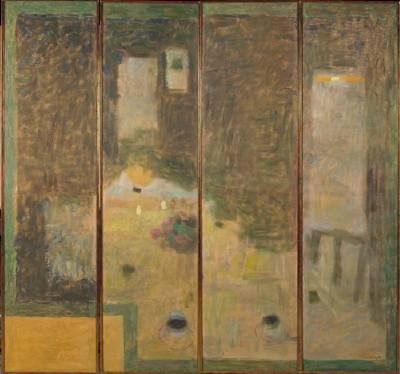 The life and times of the late 18th Century, especially the pomp and pageantry of the military have been the focus of David Fertig’s work for the last decade. While it is tempting to see Fertig as a history painter, yearning to resurrect the ancient dichotomy of Academicism versus Romanticism, this viewpoint is not correct. Fertig’s ambition is to engage a much more current moment in the history of painting, namely the New York School, its antecedents and aftershocks, Especially as it relates to the figurative tradition.
His use of ships and soldiers as subject matter stems from his deep interest in the period, about which he is a self-taught authority. Fertig’s curiosity about the late 18th Century affairs of Europe and North America has led him to read primary sources about the armies and navies of the time such as the proceeding of inquests into the loss of vessels made by the British Admiralty and the personal correspondence of the field marshals. He prefers to study first-hand accounts to later fictionalized ones. To aid in his an-making, Fertig consults etchings, paintings and sculptures from the era, which give him a good sense of the appearance of the people and things he depicts. Fertig harnesses his passion for a particular moment in history to address the timeless concerns of painters: composition, colour, line, light and the integration of figure into landscape.
The surface and handling of paint is perhaps the most remarkable aspect of Fertig’s work. As a young artist in the early 1960’s, Fertig absorbed the ethos and approach of Abstract Expressionism, another heroic moment in history, which was the dominant style at the time. His brushstrokes and facture relate directly to Post-War painting, especially as practices by John Graham and Nicolas de Stael. While this movement is usually associated with abstraction, Fertig prefers to look at the figurative impulse within it.
From his swirling impasto and scumbling emerge entirely convincing illusions of space and figures, much like Fertig’s mentor, Robert Kulicke. Furthermore, Fertig does not dismiss illustration art (he adored Treasure Island as a child) and as his titles suggest, he does want to tell a story, or at least suggest one. Fertig’s work conveys what he imagines actually happened. In this regard, Fertig should be grouped with his friend, Robert Andrew Parker, as well as more widely renowned artists such as R.B. Kitaj and Jim Dine. All of these artists privilege the figure, allow nature to influence their painting and convey a narrative to their audience while staying true to the stylistic achievements of their immediate predecessors.
Written by Jay Grimm for the 2012 Galerie Bellefeuille exhibtion of David Fertig’s work.Biography from Mark Murray Fine Paintings
David Fertig received his MFA from the Art Institute of Chicago (1972) and his BFA from the Philadelphia College of Art (1967). He taught at the Philadelphia College of Art (now the University of the Arts); Artists for Environment in Delaware Water Gap, New Jersey; and the Pennsylvania Academy of the Fine Arts in Philadelphia.