Page loaded successfully. Showing biography for Douglas Philip Bratten.
Douglas Philip Bratten BIOGRAPHY
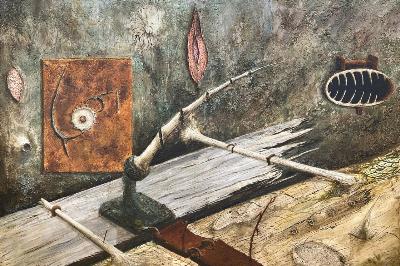
Born 1931 Ohio. Known for: Water scene painting, drawing, photography, posters.
Lots Sold: 0%.
Douglas Philip Bratten is an award-winning artist who lived and worked in North Carolina and New Hampshire, where he now resides. Born on May 18, 1931, Bratten spent his childhood in Ohio before... Read full biography
Douglas Philip Bratten is an award-winning artist who lived and worked in North Carolina and New Hampshire, where he now resides. Born on May 18, 1931, Bratten spent his childhood in Ohio before moving to Winston-Salem, North Carolina, at the age of fourteen when his father returned from serving as... Read full biography
Douglas Philip Bratten is an award-winning artist who lived and worked in North Carolina and New Hampshire, where he now resides. Born on May 18, 1931, Bratten spent his childhood in Ohio before moving to Winston-Salem, North Carolina, at the age of fourteen when his father returned from serving as an Army doctor in the North African and European theaters of operations during World War Two. After graduating from Gray High School in Winston-Salem, Bratten served in the United States Army Signal... Read full biography
Douglas Philip Bratten is an award-winning artist who lived and worked in North Carolina and New Hampshire, where he now resides. Born on May 18, 1931, Bratten spent his childhood in Ohio before moving to Winston-Salem, North Carolina, at the age of fourteen when his father returned from serving as an Army doctor in the North African and European theaters of operations during World War Two. After graduating from Gray High School in Winston-Salem, Bratten served in the United States Army Signal Corps deciphering secret military communications. From 1952 through 1954, Bratten was stationed in Kyushu, Japan, where he met his wife, Toshie Sato, who was originally from the area around Nagoya. Bratten recalls his time in Japan fondly as one of... Read full biography
Douglas Philip Bratten is an award-winning artist who lived and worked in North Carolina and New Hampshire, where he now resides. Born on May 18, 1931, Bratten spent his childhood in Ohio before moving to Winston-Salem, North Carolina, at the age of fourteen when his father returned from serving as an Army doctor in the North African and European theaters of operations during World War Two. After graduating from Gray High School in Winston-Salem, Bratten served in the United States Army Signal Corps deciphering secret military communications. From 1952 through 1954, Bratten was stationed in Kyushu, Japan, where he met his wife, Toshie Sato, who was originally from the area around Nagoya. Bratten recalls his time in Japan fondly as one of the best military postings he could have imagined. After his discharge from the Army, Bratten used the GI Bill to enroll in the Engineering and... Read full biography
Artist Biography
Biography page for Douglas Philip Bratten ((Born 1931)), known for Water scene painting, drawing, photography, posters. Showing 1 biographical entries and 0 sample artworks.
Douglas Philip Bratten - Artist Info
About Douglas Philip Bratten
Biography from CW American Modernism
Douglas Philip Bratten is an award-winning artist who lived and worked in North Carolina and New Hampshire, where he now resides. Born on May 18, 1931, Bratten spent his childhood in Ohio before moving to Winston-Salem, North Carolina, at the age of fourteen when his father returned from serving as an Army doctor in the North African and European theaters of operations during World War Two. After graduating from Gray High School in Winston-Salem, Bratten served in the United States Army Signal Corps deciphering secret military communications.
From 1952 through 1954, Bratten was stationed in Kyushu, Japan, where he met his wife, Toshie Sato, who was originally from the area around Nagoya. Bratten recalls his time in Japan fondly as one of the best military postings he could have imagined. After his discharge from the Army, Bratten used the GI Bill to enroll in the Engineering and Physics program as North Carolina State University, where he earned a bachelor’s degree in 1960.
Bratten recalls painting and drawing from the time he was a child, though he never received formal art school training. Soon after graduating from North Carolina State University, Bratten began to paint more seriously. As with all things in his life, Bratten took a careful, methodical approach to his art. He took inspiration from Andrew Wyeth, particularly his landscape paintings.
Unlike Wyeth, however, Bratten worked primarily in acrylic and acrylic polymer, which were gaining acceptance by fine artists during the early 1960s. By 1964, Bratten had gallery representation, and his works were accepted to juried exhibitions at the Winston-Salem Gallery of Fine Arts and other institutions in North Carolina. Bratten recalls that he was able to sell his paintings for significant amounts which helped supplement his income working as an engineer. Bratten’s artistic output diminished as the late 1960s progressed, particularly after he moved to New Hampshire to work for a military defense contractor.
After the end of the Vietnam conflict, Bratten left the engineering profession and returned to making art on a more consistent basis. During the 1970s, he began to make highly textured works in acrylic that he calls “tactiles” which keyed into the prevailing “hippy” aesthetics of the day. Bratten recalls selling these works at art fairs and to “head shops.” During the late 1990s and early 2000s Bratten turned his attention to photography where he focused on portraying the natural beauty of New Hampshire during the winter as he specialized in what he calls “ice photography.” Bratten still lives in New Hampshire.
Although he no longer paints, his daughter, Carolyn Boutwell, continues the family’s artistic heritage as a sculptor in Nashville, and Bratten’s son, Eric, was also a fine draftsman and painter. Douglas Bratten is listed in the North Carolina Visual Arts and Artists Collection, an archive related to artists of North Carolina started by Claude Howell, the founder and long-time head of the Art Department at the University of North Carolina at Wilmington and one of North Carolina’s most important 20th century modernists.
Sources: Telephone Interview with Douglas Philip Bratten, May 30, 2022;
Ancestry.com
Newspapers.com
North Carolina Visual Arts and Artists Collection