Page loaded successfully. Showing biography for Emil Filla.
Emil Filla BIOGRAPHY
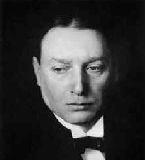
1882 Chropyne, Moravia - 1953 Prague, Czech Republic. Known for: Cubist still life painting and sculpture.
Emil Filla (1882-1953). The beginnings of modern Czech art and painting, particularly Cubism, are inextricably linked with the name Emil Filla. After training under Franz Thiele and Vlaho Bukovac at... Read full biography
Emil Filla (1882-1953). The beginnings of modern Czech art and painting, particularly Cubism, are inextricably linked with the name Emil Filla. After training under Franz Thiele and Vlaho Bukovac at the Prague Fine Arts Academy, he traveled extensively before joining other young artists, among them... Read full biography
Emil Filla (1882-1953). The beginnings of modern Czech art and painting, particularly Cubism, are inextricably linked with the name Emil Filla. After training under Franz Thiele and Vlaho Bukovac at the Prague Fine Arts Academy, he traveled extensively before joining other young artists, among them Procházka and Kubín, to found the group Osma (the Group of Eight) in 1907. The group was oriented toward both the Paris Fauves and the German movement Die Brücke. To Filla, however, Munch's painting... Read full biography
Emil Filla (1882-1953). The beginnings of modern Czech art and painting, particularly Cubism, are inextricably linked with the name Emil Filla. After training under Franz Thiele and Vlaho Bukovac at the Prague Fine Arts Academy, he traveled extensively before joining other young artists, among them Procházka and Kubín, to found the group Osma (the Group of Eight) in 1907. The group was oriented toward both the Paris Fauves and the German movement Die Brücke. To Filla, however, Munch's painting was also important and, a few years later, the influence of El Greco became apparent in his work. In 1909, Emil Filla joined the venerable secessionist artists association SVU Mánes but left it in 1911 to join forces with fourteen other young... Read full biography
Emil Filla (1882-1953). The beginnings of modern Czech art and painting, particularly Cubism, are inextricably linked with the name Emil Filla. After training under Franz Thiele and Vlaho Bukovac at the Prague Fine Arts Academy, he traveled extensively before joining other young artists, among them Procházka and Kubín, to found the group Osma (the Group of Eight) in 1907. The group was oriented toward both the Paris Fauves and the German movement Die Brücke. To Filla, however, Munch's painting was also important and, a few years later, the influence of El Greco became apparent in his work. In 1909, Emil Filla joined the venerable secessionist artists association SVU Mánes but left it in 1911 to join forces with fourteen other young avant-garde artists to found Skupina, which became the center of Czech Cubism until 1914.... Read full biography
Artist Biography
Biography page for Emil Filla ((1882 - 1953)), known for Cubist still life painting and sculpture. Showing 1 biographical entries and 0 sample artworks.
Emil Filla - Artist Info
About Emil Filla
Biography
Emil Filla (1882-1953)
The beginnings of modern Czech art and painting, particularly Cubism, are inextricably linked with the name Emil Filla. After training under Franz Thiele and Vlaho Bukovac at the Prague Fine Arts Academy, he traveled extensively before joining other young artists, among them Procházka and Kubín, to found the group Osma (the Group of Eight) in 1907. The group was oriented toward both the Paris Fauves and the German movement Die Brücke.
To Filla, however, Munch's painting was also important and, a few years later, the influence of El Greco became apparent in his work. In 1909, Emil Filla joined the venerable secessionist artists association SVU Mánes but left i...But wait, there's more...
Displaying 2,746 of 5,306 characters.
Subscriber Members, please Sign In for full artist biographies and all services.
For non-paying users, good news! Full text bios for all artists are available every Friday.
If you are not currently a member, please See Details about membership.