Page loaded successfully. Showing biography for Erich Wegner.
Erich Wegner BIOGRAPHY
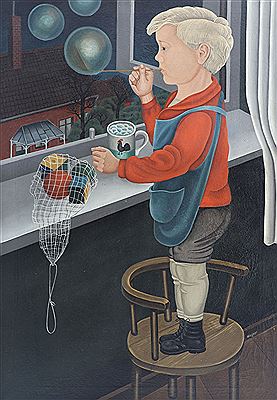
1899 Gnoien, Mecklenburg, Germany - 1980 Hannover, Germany. Known for: Theatre scene painting, studio painting, teaching.
Erich Wegner was born in Gnoien, Mecklenburg, and moved to Rostock with his family when he was a youth. There he worked as a scene painter for the theater, until he was recruited into the military in... Read full biography
Erich Wegner was born in Gnoien, Mecklenburg, and moved to Rostock with his family when he was a youth. There he worked as a scene painter for the theater, until he was recruited into the military in 1918. When he returned from his time in the service, he attended the School of Applied Arts in... Read full biography
Erich Wegner was born in Gnoien, Mecklenburg, and moved to Rostock with his family when he was a youth. There he worked as a scene painter for the theater, until he was recruited into the military in 1918. When he returned from his time in the service, he attended the School of Applied Arts in Hannover and opened his own studio there in 1924. He exhibited works at the Art Association in Hannover in 1927, and, in 1929, he was included in the Neue Sachlichkeit exhibit in Amsterdam. His work was... Read full biography
Erich Wegner was born in Gnoien, Mecklenburg, and moved to Rostock with his family when he was a youth. There he worked as a scene painter for the theater, until he was recruited into the military in 1918. When he returned from his time in the service, he attended the School of Applied Arts in Hannover and opened his own studio there in 1924. He exhibited works at the Art Association in Hannover in 1927, and, in 1929, he was included in the Neue Sachlichkeit exhibit in Amsterdam. His work was shown infrequently between 1933 and 1945, but at the end of the war Wegner became an instructor at the Vollkshochschule in Hannover. His work appeared in numerous exhibitions throughout Europe over the next few decades. A retrospective exhibition of... Read full biography
Erich Wegner was born in Gnoien, Mecklenburg, and moved to Rostock with his family when he was a youth. There he worked as a scene painter for the theater, until he was recruited into the military in 1918. When he returned from his time in the service, he attended the School of Applied Arts in Hannover and opened his own studio there in 1924. He exhibited works at the Art Association in Hannover in 1927, and, in 1929, he was included in the Neue Sachlichkeit exhibit in Amsterdam. His work was shown infrequently between 1933 and 1945, but at the end of the war Wegner became an instructor at the Vollkshochschule in Hannover. His work appeared in numerous exhibitions throughout Europe over the next few decades. A retrospective exhibition of his work was held at the Art Association in Hannover in 1970. Wegner died in that city in 1980. Source:. Website of... Read full biography
Artist Biography
Biography page for Erich Wegner ((1899 - 1980)), known for Theatre scene painting, studio painting, teaching. Showing 3 biographical entries and 0 sample artworks.
Erich Wegner - Artist Info
About Erich Wegner
Biography from the Archives of askART
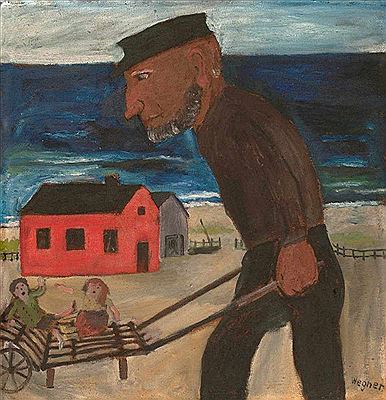 Erich Wegner was born in Gnoien, Mecklenburg, and moved to Rostock with his family when he was a youth. There he worked as a scene painter for the theater, until he was recruited into the military in 1918.
When he returned from his time in the service, he attended the School of Applied Arts in Hannover and opened his own studio there in 1924. He exhibited works at the Art Association in Hannover in 1927, and, in 1929, he was included in the Neue Sachlichkeit exhibit in Amsterdam.
His work was shown infrequently between 1933 and 1945, but at the end of the war Wegner became an instructor at the Vollkshochschule in Hannover. His work appeared in numerous exhibitions throughout Europe over the next few decades.
A retrospective exhibition of his work was held at the Art Association in Hannover in 1970. Wegner died in that city in 1980.
Source:
Website of GSE Galerie St. Etienne, 2020Biography from Lehr Kunstauktionen
Growing up in Rostock, Germany, Erich Wegner loved the port and its motifs as a child. From 1917 to 1918 he began his artistic training in the painting workshop of the Rostock City Theater, which he continued after the First World War in 1919 at the Hanover School of Applied Arts with Fritz Burger-Mühlfeld for two years.
There he got to know Ernst Thoms, Grethe Jürgens and Gerta Overbeck, among others. Wegner, who went on a journey between 1921 and 1925 - at times with Thoms - also traveled with a circus during this time, which promised him the illusion of a free life.
Circus arenas and clown pictures were his favorite motifs, even if the artist later admitted that "the driest and most humorless people he had ever met were the clowns".
In 1923 Wegner moved into a studio in the same house as Thoms, on Calenbergstrasse in Hanover, in which he also lived for a time.Biography from Kastern
Erich Wegner was a German painter of the 20th century and is one of the outstanding representatives of the New Objectivity in Hanover. Already as a child he painted motifs of the port, sailors, shipyard workers and again and again ships that pull through his multi-faceted life's work.
In 1919 he completed his studies at the Kunstgewerbeschule Hannover with Prof. Fritz Burger-Mühlfeld. From 1926 he exhibited at the Kunstverein Hannover as well as in other renowned museums and galleries. Only after his death did his work find a real appreciation and public attention.