Page loaded successfully. Showing biography for Felice Giani.
Felice Giani BIOGRAPHY
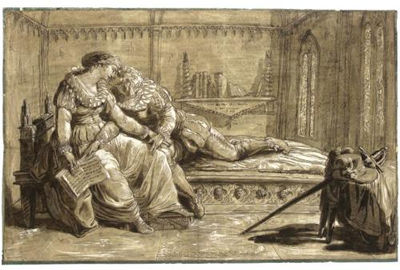
1758 San Sebastiano Curone - 1823 Rome. Known for: Neoclassical style.
Giovanni Battista Moroni was an Italian painter known primarily for his elegantly realistic portraits of the local nobility and clergy, and is considered one of the great portraitists of the... Read full biography
Giovanni Battista Moroni was an Italian painter known primarily for his elegantly realistic portraits of the local nobility and clergy, and is considered one of the great portraitists of the Cinquecento. Moroni trained with Alessandro Bonvicino in Brescia, where he was the principal studio... Read full biography
Giovanni Battista Moroni was an Italian painter known primarily for his elegantly realistic portraits of the local nobility and clergy, and is considered one of the great portraitists of the Cinquecento. Moroni trained with Alessandro Bonvicino in Brescia, where he was the principal studio assistant during the 1540s, and worked in Trento, Bergamo and his hometown of Albino. His two brief periods in Trento coincided with the first two sessions of the Council of Trent, 1546-48 and 1551-53. On... Read full biography
Giovanni Battista Moroni was an Italian painter known primarily for his elegantly realistic portraits of the local nobility and clergy, and is considered one of the great portraitists of the Cinquecento. Moroni trained with Alessandro Bonvicino in Brescia, where he was the principal studio assistant during the 1540s, and worked in Trento, Bergamo and his hometown of Albino. His two brief periods in Trento coincided with the first two sessions of the Council of Trent, 1546-48 and 1551-53. On both occasions, Moroni painted several religious works, as well as the series of portraits for which he is remembered. During his stay in Trent he also came into contact with Titian and with Count-Bishop Cristoforo Madruzzo, whose portrait is by Titian,... Read full biography
Giovanni Battista Moroni was an Italian painter known primarily for his elegantly realistic portraits of the local nobility and clergy, and is considered one of the great portraitists of the Cinquecento. Moroni trained with Alessandro Bonvicino in Brescia, where he was the principal studio assistant during the 1540s, and worked in Trento, Bergamo and his hometown of Albino. His two brief periods in Trento coincided with the first two sessions of the Council of Trent, 1546-48 and 1551-53. On both occasions, Moroni painted several religious works, as well as the series of portraits for which he is remembered. During his stay in Trent he also came into contact with Titian and with Count-Bishop Cristoforo Madruzzo, whose portrait is by Titian, but for whom Moroni painted portraits of Madruzzo's sons. In the 19th century it was claimed that Titian had taught him in Trent; however, it is un... Read full biography
Artist Biography
Biography page for Felice Giani ((1758 - 1823)), known for Neoclassical style. Showing 2 biographical entries and 0 sample artworks.
Felice Giani - Artist Info
About Felice Giani
Name variants
Happy Giani
Biography from Setdart
Giovanni Battista Moroni was an Italian painter known primarily for his elegantly realistic portraits of the local nobility and clergy, and is considered one of the great portraitists of the Cinquecento. Moroni trained with Alessandro Bonvicino in Brescia, where he was the principal studio assistant during the 1540s, and worked in Trento, Bergamo and his hometown of Albino. His two brief periods in Trento coincided with the first two sessions of the Council of Trent, 1546-48 and 1551-53. On both occasions, Moroni painted several religious works, as well as the series of portraits for which he is remembered. During his stay in Trent he also came into contact with Titian and with Count-Bishop Cristoforo Madruzzo, whose portrait is by Titian, but for whom Moroni painted portraits of Madruzzo's sons. In the 19th century it was claimed that Titian had taught him in Trent; however, it is unlikely that he ventured to visit the Venetian's studio for very long. Moroni's period as a fashionable portraitist in Bergamo spans only the years 1557-62 or so, after which Bergamo was convulsed by internecine strife and Moroni retired permanently to Albino, where, in his provincial isolation, he went completely unnoticed by Giorgio Vasari. His production in Bergamo, influenced in part by Savoldo's studio, produced in a few years a long series of portraits. The subjects are not drawn exclusively from the Bergamo aristocracy, but from the new self-conscious class of exemplary scholars, professionals and government bureaucrats, with a few soldiers, presented in aloof and wary attitudes with Moroni's meticulous passages of still life and a closer attention to fabrics and clothing than to psychological penetration. His output of religious paintings was smaller and less successful than his portraits.Biography from Lucas Aste
Felice Giani was an Italian neoclassical artist who studied in Pavia, Bologna, and Rome. He participated in the decoration of Palazzo Altieri and worked with Cristoforo Unterperger on the Raphael Loggias in the Vatican. He later traveled to Emilia, Naples, Pompeii, and Herculaneum. In 1803, he was commissioned to decorate the Napoleonic Cabinets at the Malmaison in Paris. He had many commissions in Bologna, Rome, Venice, and Ferrara.