Page loaded successfully. Showing biography for Fritz Glarner.
Fritz Glarner BIOGRAPHY
1899 Zurich, Switzerland - 1972. Known for: Geometric abstraction, still life.
Fritz Glarner contributed significantly to the conceptual development of geometric art. While, most believe that the Dutch painter, Piet Mondrian, was the father of Geometric Abstraction*, the... Read full biography
Fritz Glarner contributed significantly to the conceptual development of geometric art. While, most believe that the Dutch painter, Piet Mondrian, was the father of Geometric Abstraction*, the history of development of geometric art should also include a considerable number of Mondrian's European... Read full biography
Fritz Glarner contributed significantly to the conceptual development of geometric art. While, most believe that the Dutch painter, Piet Mondrian, was the father of Geometric Abstraction*, the history of development of geometric art should also include a considerable number of Mondrian's European contemporaries and several Americans as well. Fritz Glarner was one of these Americans. He was, indeed, deeply influenced by the Dutch master Mondrian, but Glarner's relationship with him during... Read full biography
Fritz Glarner contributed significantly to the conceptual development of geometric art. While, most believe that the Dutch painter, Piet Mondrian, was the father of Geometric Abstraction*, the history of development of geometric art should also include a considerable number of Mondrian's European contemporaries and several Americans as well. Fritz Glarner was one of these Americans. He was, indeed, deeply influenced by the Dutch master Mondrian, but Glarner's relationship with him during Mondrian's last years was probably as much that of a colleague as a disciple. During these few years, 1940-44, Glarner's personal development achieved an independence from Mondrian's thinking which produced a fruitful outgrowth--in Glarner's conception of... Read full biography
Fritz Glarner contributed significantly to the conceptual development of geometric art. While, most believe that the Dutch painter, Piet Mondrian, was the father of Geometric Abstraction*, the history of development of geometric art should also include a considerable number of Mondrian's European contemporaries and several Americans as well. Fritz Glarner was one of these Americans. He was, indeed, deeply influenced by the Dutch master Mondrian, but Glarner's relationship with him during Mondrian's last years was probably as much that of a colleague as a disciple. During these few years, 1940-44, Glarner's personal development achieved an independence from Mondrian's thinking which produced a fruitful outgrowth--in Glarner's conception of "relational painting." . This effort to produce a "purer and closer relationship between form and space" led to the identification... Read full biography
Artist Biography
Biography page for Fritz Glarner ((1899 - 1972)), known for Geometric abstraction, still life. Showing 1 biographical entries and 0 sample artworks.
Fritz Glarner - Artist Info
About Fritz Glarner
Biography from the Archives of askART
 Fritz Glarner contributed significantly to the conceptual development of geometric art. While, most believe that the Dutch painter, Piet Mondrian, was the father of Geometric Abstraction*, the history of development of geometric art should also include a considerable number of Mondrian's European contemporaries and several Americans as well.
Fritz Glarner was one of these Americans. He was, indeed, deeply influenced by the Dutch master Mondrian, but Glarner's relationship with him during Mondrian's last years was probably as much that of a colleague as a disciple.
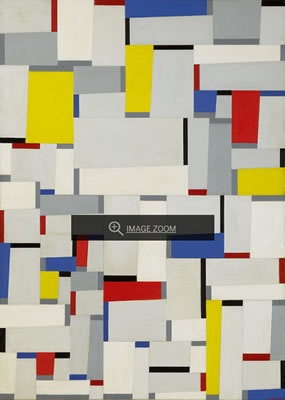
During these few years, 1940-44, Glarner's personal development achieved an independence from Mondrian's thinking which produced a fruitful outgrowth--in Glarner's conception of "relational painting."
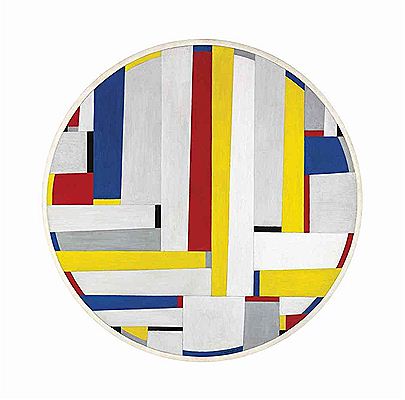
This effort to produce a "purer and closer relationship between form and space" led to the identification of certain basic characteristics, the elimination of perspective to establish the identity of the actual surface of the canvas, the use of diagonals to create a stronger dynamic movement while maintaining an emphasis on the vertical and horizontal, and finally, the gradation of color values to bring all the elements in the picture into optical balance (Staber).
This theory was developed initially with reference to a rectangular format, in itself a divergence from Mondrian, and was subsequently given another field of development in the many circular panels by Glarner.
Sources:
Geske, N. & Janovy, K. The American Painting Collection of the Sheldon Memorial Art Gallery_____
* For more in-depth information about these terms and others, see AskART.com. Glossary http://www.askart.com/AskART/lists/Art_Definition.aspx