Page loaded successfully. Showing biography for Fritz Osswald.
Fritz Osswald BIOGRAPHY
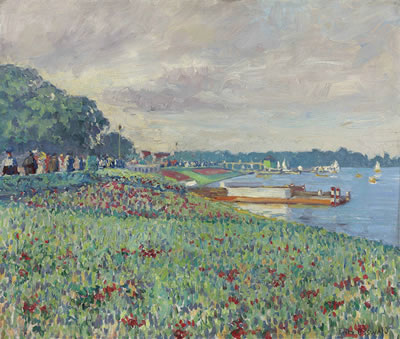
1878 Hottingen, Zurich - 1966 Starnberg. Known for: Winter landscapes, urban scenes, and symbolic compositions in the Post-Impressionist style.
Fritz Osswald (b. June 23, 1878, Hottingen, Zurich – d. August 24, 1966, Starnberg, Germany) was a Swiss landscape painter associated with Post-Impressionism, known for his atmospheric winter scenes... Read full biography
Fritz Osswald (b. June 23, 1878, Hottingen, Zurich – d. August 24, 1966, Starnberg, Germany) was a Swiss landscape painter associated with Post-Impressionism, known for his atmospheric winter scenes and urban views. He studied at the Academy of Fine Arts in Munich from 1898 to 1906, where he... Read full biography
Fritz Osswald (b. June 23, 1878, Hottingen, Zurich – d. August 24, 1966, Starnberg, Germany) was a Swiss landscape painter associated with Post-Impressionism, known for his atmospheric winter scenes and urban views. He studied at the Academy of Fine Arts in Munich from 1898 to 1906, where he trained under Wilhelm von Diez and Nikolaos Gyzis, earning multiple honors. In 1904, Osswald became a member of the Munich Secession, exhibiting regularly at the Glaspalast and other major venues. His work... Read full biography
Fritz Osswald (b. June 23, 1878, Hottingen, Zurich – d. August 24, 1966, Starnberg, Germany) was a Swiss landscape painter associated with Post-Impressionism, known for his atmospheric winter scenes and urban views. He studied at the Academy of Fine Arts in Munich from 1898 to 1906, where he trained under Wilhelm von Diez and Nikolaos Gyzis, earning multiple honors. In 1904, Osswald became a member of the Munich Secession, exhibiting regularly at the Glaspalast and other major venues. His work was praised for its expressive treatment of light and seasonal mood, often depicting snow-covered parks, industrial landscapes, and floral still lives. In 1913, he was invited by Ernst Ludwig, Grand Duke of Hesse, to join the Darmstadt Artists'... Read full biography
Fritz Osswald (b. June 23, 1878, Hottingen, Zurich – d. August 24, 1966, Starnberg, Germany) was a Swiss landscape painter associated with Post-Impressionism, known for his atmospheric winter scenes and urban views. He studied at the Academy of Fine Arts in Munich from 1898 to 1906, where he trained under Wilhelm von Diez and Nikolaos Gyzis, earning multiple honors. In 1904, Osswald became a member of the Munich Secession, exhibiting regularly at the Glaspalast and other major venues. His work was praised for its expressive treatment of light and seasonal mood, often depicting snow-covered parks, industrial landscapes, and floral still lives. In 1913, he was invited by Ernst Ludwig, Grand Duke of Hesse, to join the Darmstadt Artists' Colony, a center of Jugendstil and progressive art. There, Osswald maintained a studio within the castle and contributed large-scale decorativ... Read full biography
Artist Biography
Biography page for Fritz Osswald ((1878 - 1966)), known for Winter landscapes, urban scenes, and symbolic compositions in the Post-Impressionist style. Showing 1 biographical entries and 0 sample artworks.
Fritz Osswald - Artist Info
About Fritz Osswald
Name variants
Fritz Oswald
Biography from Kunstauktionshaus Schloss Ahlden
Fritz Osswald (b. June 23, 1878, Hottingen, Zurich – d. August 24, 1966, Starnberg, Germany) was a Swiss landscape painter associated with Post-Impressionism, known for his atmospheric winter scenes and urban views. He studied at the Academy of Fine Arts in Munich from 1898 to 1906, where he trained under Wilhelm von Diez and Nikolaos Gyzis, earning multiple honors.
In 1904, Osswald became a member of the Munich Secession, exhibiting regularly at the Glaspalast and other major venues. His work was praised for its expressive treatment of light and seasonal mood, often depicting snow-covered parks, industrial landscapes, and floral still lives.
In 1913, he was invited by Ernst Ludwig, Grand Duke of Hesse, to join the Darmstadt Artists' Colony, a center of Jugendstil and progressive art. There, Osswald maintained a studio within the castle and contributed large-scale decorative works for bourgeois interiors. He was appointed Professor of Art during his tenure.
After World War I, Osswald returned briefly to Switzerland before settling permanently in Starnberg, Bavaria, in 1922, where he continued to paint until his death.