Page loaded successfully. Showing biography for Hernando Villa.
Hernando Villa BIOGRAPHY
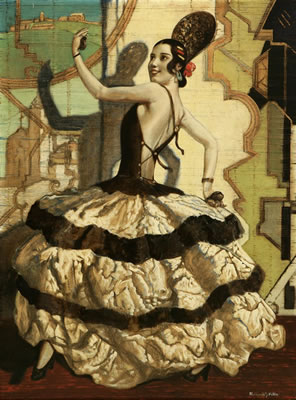
1881 Los Angeles, California - 1952 Los Angeles, California. Known for: Hispanic and Indian figure, missions.
Born in Los Angeles, CA on Oct. 1, 1881, the son of Esiquia and Miguel de Villa. His parents came to Los Angeles from Baja California in 1846 when the area was still part of Mexico. Raised in an... Read full biography
Born in Los Angeles, CA on Oct. 1, 1881, the son of Esiquia and Miguel de Villa. His parents came to Los Angeles from Baja California in 1846 when the area was still part of Mexico. Raised in an artistic milieu, his mother was an amateur singer and his father an artist with a studio on the Plaza.... Read full biography
Born in Los Angeles, CA on Oct. 1, 1881, the son of Esiquia and Miguel de Villa. His parents came to Los Angeles from Baja California in 1846 when the area was still part of Mexico. Raised in an artistic milieu, his mother was an amateur singer and his father an artist with a studio on the Plaza. Villa studied locally under Louise Garden-MacLeod at the School of Art & Design in 1905, and later taught there after studying for one year in England and Germany. He established a studio in Los... Read full biography
Born in Los Angeles, CA on Oct. 1, 1881, the son of Esiquia and Miguel de Villa. His parents came to Los Angeles from Baja California in 1846 when the area was still part of Mexico. Raised in an artistic milieu, his mother was an amateur singer and his father an artist with a studio on the Plaza. Villa studied locally under Louise Garden-MacLeod at the School of Art & Design in 1905, and later taught there after studying for one year in England and Germany. He established a studio in Los Angeles and worked as a commercial artist and illustrator for the Santa Fe Railroad for 40 years. He died in Los Angeles on May 7, 1952. Equally facile with oil, watercolor, pastel, and charcoal, he produced scenes of the Old West, Indians, missions, and... Read full biography
Born in Los Angeles, CA on Oct. 1, 1881, the son of Esiquia and Miguel de Villa. His parents came to Los Angeles from Baja California in 1846 when the area was still part of Mexico. Raised in an artistic milieu, his mother was an amateur singer and his father an artist with a studio on the Plaza. Villa studied locally under Louise Garden-MacLeod at the School of Art & Design in 1905, and later taught there after studying for one year in England and Germany. He established a studio in Los Angeles and worked as a commercial artist and illustrator for the Santa Fe Railroad for 40 years. He died in Los Angeles on May 7, 1952. Equally facile with oil, watercolor, pastel, and charcoal, he produced scenes of the Old West, Indians, missions, and the Mexican vaqueros. Villa's most famous work is the emblem of the Santa Fe Railroad, The Chief. Exh: Alaska-Yukon Expo (Seattle), 1909; PPIE,.... Read full biography
Artist Biography
Biography page for Hernando Villa ((1881 - 1952)), known for Hispanic and Indian figure, missions. Showing 3 biographical entries and 0 sample artworks.
Hernando Villa - Artist Info
About Hernando Villa
Biography from the Archives of askART
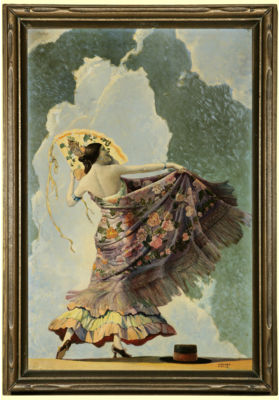 Born in Los Angeles, CA on Oct. 1, 1881, the son of Esiquia and Miguel de Villa. His parents came to Los Angeles from Baja California in 1846 when the area was still part of Mexico. Raised in an artistic milieu, his mother was an amateur singer and his father an artist with a studio on the Plaza. Villa studied locally under Louise Garden-MacLeod at the School of Art & Design in 1905, and later taught there after studying for one year in England and Germany. He established a studio in Los Angeles and worked as a commercial artist and illustrator for the Santa Fe Railroad for 40 years. He died in Los Angeles on May 7, 1952. Equally facile with oil, watercolor, pastel, and charcoal, he produced scenes of the Old West, Indians, missions, and the Mexican vaqueros. Villa's most famous work is the emblem of the Santa Fe Railroad, The Chief. Exh: Alaska-Yukon Expo (Seattle), 1909; PPIE, 1915 (gold medal for mural); Royar's Frame Shop (LA), 1934; El Paseo Inn (LA), 1935; Foundation of Western Art (LA), 1935; Ebell Gallery (LA), 1937; Associated Artists (LA), 1941. In: Citizen's Trust & Savings Bank, LA (mural); LACMA; Fort Worth Museum; Santa Fe Railroad; New Rialto Theatre, Phoenix, AZ (mural); Orange Co. (CA) Museum.
Biography from the Archives of askART
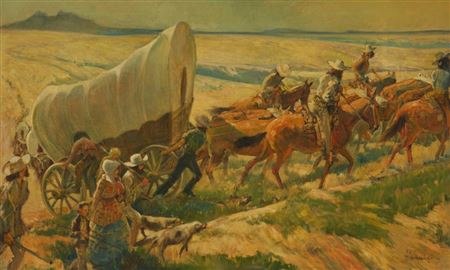 A commercial artist and painter, Hernando Villa had a specialty that was the Old West--landscape, Southwest Indians, and missions, which he did in oil, watercolor, pastel and charcoal. But his most famous work is "The Chief," emblem of the Santa Fe Railroad. He also did murals including one for the New Rialto Theater in Phoenix, Arizona.
Villa was born in Los Angeles, California, and was raised in a cultured Mexican family from Baja, California. His mother was a singer and the father was an artist with a studio on the Plaza.
He studied locally with Louise Garden-MacLeod at the School of Art and Design and then after studying in Germany and England, taught two years at the School of Art. By 1906, he was working as a commercial artist in Los Angeles where for forty years, he worked as an illustrator for the Santa Fe Railroad.
He also played as an "extra" in western films.
Source:
Peggy and Harold Samuels, "An Illustrated Encyclopedia of the American West"Biography from CalART.com
Biography provided courtesy of "California Watercolors 1850-1970" By Gordon T. McClelland and Jay T. Last.
Hernando Villa (1881-1952)...Born: Los Angeles, CA
Studied: Los Angeles School of Art and Design.
Hernando Villa was born, raised, and spent most of his life in Los Angeles. He worked as a commercial artist and sold easel paintings through local galleries. Many of his commercial works done for the Santa Fe Railroad, Southern Pacific Railroad and Southern California magazine publications were painted with watercolors. Other works depicting missions and landscape subjects were watercolors, mixed with ink and pastels. Villa also produced many oil paintings, some of which were reproduced and sold as art prints in the 1930s.
Biographical information:
California Design 1910.