Page loaded successfully. Showing biography for Hsiung Ping-Ming.
Hsiung Ping-Ming BIOGRAPHY
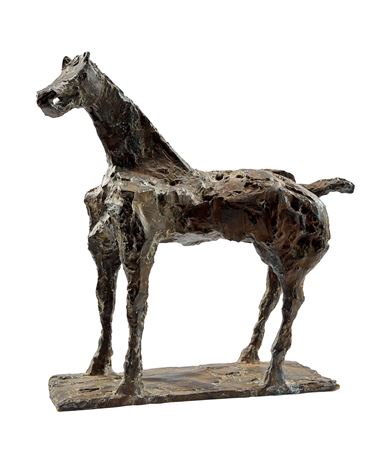
1922 Nanjing, China - 2000. Known for: Modernist sculpture, painting, calligraphy, drawing.
Modern Sculpture Master Hsiung Ping-Ming was born in 1922 in Nanjing and after graduating from the Department of Philosophy at National Southwestern Associated University enrolled on a program of... Read full biography
Modern Sculpture Master Hsiung Ping-Ming was born in 1922 in Nanjing and after graduating from the Department of Philosophy at National Southwestern Associated University enrolled on a program of advanced study in the College of Liberal Arts at Paris University. However, Hsiung had loved the works... Read full biography
Modern Sculpture Master Hsiung Ping-Ming was born in 1922 in Nanjing and after graduating from the Department of Philosophy at National Southwestern Associated University enrolled on a program of advanced study in the College of Liberal Arts at Paris University. However, Hsiung had loved the works of Master of Sculpture Auguste Rodin from a very young age and despite being close to completing his Ph.D. thesis in philosophy decided to study sculpture instead. Thereafter, he displayed an almost... Read full biography
Modern Sculpture Master Hsiung Ping-Ming was born in 1922 in Nanjing and after graduating from the Department of Philosophy at National Southwestern Associated University enrolled on a program of advanced study in the College of Liberal Arts at Paris University. However, Hsiung had loved the works of Master of Sculpture Auguste Rodin from a very young age and despite being close to completing his Ph.D. thesis in philosophy decided to study sculpture instead. Thereafter, he displayed an almost inexhaustible passion for subjects ranging from sculpture and painting to literary analysis and the research of calligraphy. Moreover, despite being able to freely explore multiple artistic disciplines, Hsiung retained his intellectual interest in... Read full biography
Modern Sculpture Master Hsiung Ping-Ming was born in 1922 in Nanjing and after graduating from the Department of Philosophy at National Southwestern Associated University enrolled on a program of advanced study in the College of Liberal Arts at Paris University. However, Hsiung had loved the works of Master of Sculpture Auguste Rodin from a very young age and despite being close to completing his Ph.D. thesis in philosophy decided to study sculpture instead. Thereafter, he displayed an almost inexhaustible passion for subjects ranging from sculpture and painting to literary analysis and the research of calligraphy. Moreover, despite being able to freely explore multiple artistic disciplines, Hsiung retained his intellectual interest in humanist philosophy. In 1953, Hsiung Ping-ming completed his first welded sculpture —a crane— a common motif in traditional Chinese art... Read full biography
Artist Biography
Biography page for Hsiung Ping-Ming ((1922 - 2000)), known for Modernist sculpture, painting, calligraphy, drawing. Showing 1 biographical entries and 0 sample artworks.
Hsiung Ping-Ming - Artist Info
About Hsiung Ping-Ming
Biography from the Archives of askART
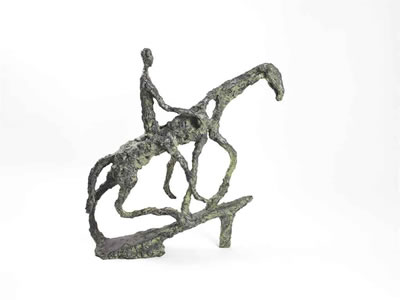 Modern Sculpture Master Hsiung Ping-Ming was born in 1922 in Nanjing and after graduating from the Department of Philosophy at National Southwestern Associated University enrolled on a program of advanced study in the College of Liberal Arts at Paris University.
However, Hsiung had loved the works of Master of Sculpture Auguste Rodin from a very young age and despite being close to completing his Ph.D. thesis in philosophy decided to study sculpture instead. Thereafter, he displayed an almost inexhaustible passion for subjects ranging from sculpture and painting to literary analysis and the research of calligraphy.
Moreover, despite being able to freely explore multiple artistic disciplines, Hsiung retained his intellectual interest in humanist philosophy.
In 1953, Hsiung Ping-ming completed his first welded sculpture —a crane— a common motif in traditional Chinese art. He then went on to develop a series of animal-based works made from metal pieces and machine components, which remain some of his most renowned pieces. Moreover, Hsiung’s sculptures evolved from initially simple images to deeply spiritual works, and later still, perfect combinations of material and image. These last pieces wandered unencumbered between lightness and weight, movement and stillness, representation and abstraction, all replete with vigor and vitality.
Several of Hsiung’s works were selected for display at the “Salon de Mai” in Paris where they were well received and successfully boosted the artist’s market profile. In addition, the gallery run by Iris Clert (1917-1986) held two solo exhibitions of his works. The sculpture Pigeon is one of the pieces completed in this period and an extremely rare one-of-a-kind. Through the ingenious combination of metal pieces and strips, Hsiung creates a roughly hewn representation of a pigeon, bereft of skin and bones, one that appears ready to spread its wings and take flight.
The fact that the depiction is essentially an outline demonstrates the artist’s detailed observation of the subject matter, but it also showcases a sincere honesty that spiritually approximates to the pursuit of The Way.