Page loaded successfully. Showing biography for Hugo Sperger.
Hugo Sperger BIOGRAPHY
1900 Northern Italy - 1996 Salyersville, Kentucky. Known for: Naive fantasy often religious painting, folk art.
Born to German parents in Northern Italy in 1922, Hugo Sperger was from a family, which immigrated to America through Ellis Island in 1929. The family farmed in upstate New York. After serving in the... Read full biography
Born to German parents in Northern Italy in 1922, Hugo Sperger was from a family, which immigrated to America through Ellis Island in 1929. The family farmed in upstate New York. After serving in the Pacific in World War II, Hugo found factory work in Michigan and Indiana. He eventually met and... Read full biography
Born to German parents in Northern Italy in 1922, Hugo Sperger was from a family, which immigrated to America through Ellis Island in 1929. The family farmed in upstate New York. After serving in the Pacific in World War II, Hugo found factory work in Michigan and Indiana. He eventually met and married Faye Reed and moved to her home community near Salyersville. Sperger was diagnosed with cancer in 1970 and battled it for the rest of his life. Faye eventually bought Hugo some paints to help... Read full biography
Born to German parents in Northern Italy in 1922, Hugo Sperger was from a family, which immigrated to America through Ellis Island in 1929. The family farmed in upstate New York. After serving in the Pacific in World War II, Hugo found factory work in Michigan and Indiana. He eventually met and married Faye Reed and moved to her home community near Salyersville. Sperger was diagnosed with cancer in 1970 and battled it for the rest of his life. Faye eventually bought Hugo some paints to help keep him occupied. He produced hundreds of paintings and woodcarvings covering an outstanding array of subject matter. Sperger’s work began to gain attention in the mid-1980s and was subsequently included in several important exhibitions and has been... Read full biography
Born to German parents in Northern Italy in 1922, Hugo Sperger was from a family, which immigrated to America through Ellis Island in 1929. The family farmed in upstate New York. After serving in the Pacific in World War II, Hugo found factory work in Michigan and Indiana. He eventually met and married Faye Reed and moved to her home community near Salyersville. Sperger was diagnosed with cancer in 1970 and battled it for the rest of his life. Faye eventually bought Hugo some paints to help keep him occupied. He produced hundreds of paintings and woodcarvings covering an outstanding array of subject matter. Sperger’s work began to gain attention in the mid-1980s and was subsequently included in several important exhibitions and has been written about extensively. Source: . Hugo Spencer, Outreach Kentucky Folk Art Center Featured Artists, Webs... Read full biography
Artist Biography
Biography page for Hugo Sperger ((1900 - 1996)), known for Naive fantasy often religious painting, folk art. Showing 1 biographical entries and 0 sample artworks.
Hugo Sperger - Artist Info
About Hugo Sperger
Biography from the Archives of askART
 Born to German parents in Northern Italy in 1922, Hugo Sperger was from a family, which immigrated to America through Ellis Island in 1929. The family farmed in upstate New York. After serving in the Pacific in World War II, Hugo found factory work in Michigan and Indiana.
He eventually met and married Faye Reed and moved to her home community near Salyersville. Sperger was diagnosed with cancer in 1970 and battled it for the rest of his life.
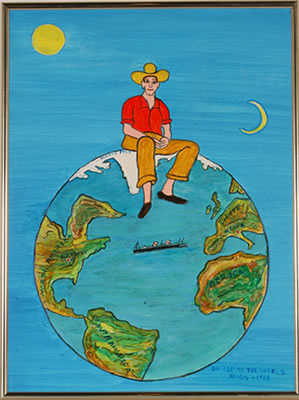
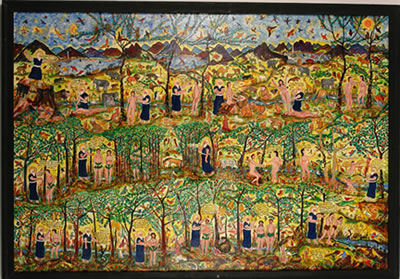
Faye eventually bought Hugo some paints to help keep him occupied. He produced hundreds of paintings and woodcarvings covering an outstanding array of subject matter.
Sperger’s work began to gain attention in the mid-1980s and was subsequently included in several important exhibitions and has been written about extensively.
Source:
Hugo Spencer, Outreach Kentucky Folk Art Center Featured Artists, Website, 9/2018.
--------
After serving in the U.S. Army, Sperger returned to his home in upstate New York, but felt himself a misfit in an industrial environment. Eventually he moved to rural Kentucky, where he painted for almost forty years.
Source:
Lynda Hartigan Contemporary Folk Art: Treasures from the Smithsonian American Art Museum(exhibition text, Smithsonian American Art Museum, 1999), Web, 9/2018
Submitted by Ande Rasmussen