Page loaded successfully. Showing biography for Ignacio Asunsolo.
Ignacio Asunsolo BIOGRAPHY
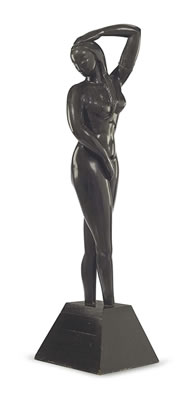
1890 Hacienda de San Juan Bautists Ranch, Durango, Mexico - 1965 Mexico. Known for: Portrait bust and military figure sculpture.
Ignacio Asúnsolo was born on March 15, 1890 in the Hacienda de San Juan Bautista ranch in the state of Durango, Mexico. He was the son of Fernando Asúnsolo and Carmen Mason Bustamante. His family... Read full biography
Ignacio Asúnsolo was born on March 15, 1890 in the Hacienda de San Juan Bautista ranch in the state of Durango, Mexico. He was the son of Fernando Asúnsolo and Carmen Mason Bustamante. His family moved to Hidalgo de Parral in the state of Chihuahua, where at age six he started modelling clay, an... Read full biography
Ignacio Asúnsolo was born on March 15, 1890 in the Hacienda de San Juan Bautista ranch in the state of Durango, Mexico. He was the son of Fernando Asúnsolo and Carmen Mason Bustamante. His family moved to Hidalgo de Parral in the state of Chihuahua, where at age six he started modelling clay, an art his mother practised. By 1904 he was studying at the Scientific and Literary Institute of Chihuahua. In 1908 he entered the National Institute of Fine Arts and Literature where he was awarded his... Read full biography
Ignacio Asúnsolo was born on March 15, 1890 in the Hacienda de San Juan Bautista ranch in the state of Durango, Mexico. He was the son of Fernando Asúnsolo and Carmen Mason Bustamante. His family moved to Hidalgo de Parral in the state of Chihuahua, where at age six he started modelling clay, an art his mother practised. By 1904 he was studying at the Scientific and Literary Institute of Chihuahua. In 1908 he entered the National Institute of Fine Arts and Literature where he was awarded his first professorship. Asúnsolo participated in the Mexican revolution from 1913 to 1917, mainly through artistic expression. In 1915, because of a temporary shutdown of the National Institute of Fine Arts, he went back to Chihuahua to teach sculpting at... Read full biography
Ignacio Asúnsolo was born on March 15, 1890 in the Hacienda de San Juan Bautista ranch in the state of Durango, Mexico. He was the son of Fernando Asúnsolo and Carmen Mason Bustamante. His family moved to Hidalgo de Parral in the state of Chihuahua, where at age six he started modelling clay, an art his mother practised. By 1904 he was studying at the Scientific and Literary Institute of Chihuahua. In 1908 he entered the National Institute of Fine Arts and Literature where he was awarded his first professorship. Asúnsolo participated in the Mexican revolution from 1913 to 1917, mainly through artistic expression. In 1915, because of a temporary shutdown of the National Institute of Fine Arts, he went back to Chihuahua to teach sculpting at the Scientific and Literary Institute. He returned to Mexico City by 1918. Studies in Europe and return to MexicoIn 1919, he was awa... Read full biography
Artist Biography
Biography page for Ignacio Asunsolo ((1890 - 1965)), known for Portrait bust and military figure sculpture. Showing 2 biographical entries and 0 sample artworks.
Ignacio Asunsolo - Artist Info
About Ignacio Asunsolo
Biography from the Archives of askART
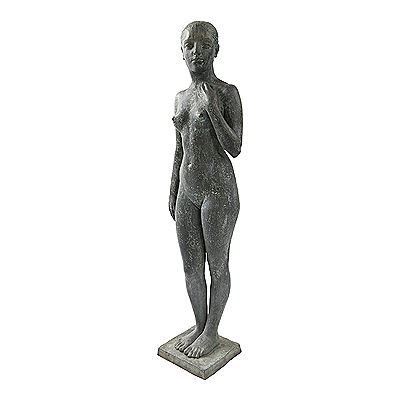 Ignacio Asúnsolo was born on March 15, 1890 in the Hacienda de San Juan Bautista ranch in the state of Durango, Mexico. He was the son of Fernando Asúnsolo and Carmen Mason Bustamante. His family moved to Hidalgo de Parral in the state of Chihuahua, where at age six he started modelling clay, an art his mother practised.
By 1904 he was studying at the Scientific and Literary Institute of Chihuahua. In 1908 he entered the National Institute of Fine Arts and Literature where he was awarded his first professorship.
Asúnsolo participated in the Mexican revolution from 1913 to 1917, mainly through artistic expression. In 1915, because of a temporary shutdown of the National Institute of Fine Arts, he went back to Chihuahua to teach sculpting at the Scientific and Literary Institute. He returned to Mexico City by 1918.
Studies in Europe and return to MexicoIn 1919, he was awarded a scholarship, which allowed him to go to Europe to enhance his skills. In France he studied at Paris’ L'Ecole des Beaux-Arts and met Mireille Marthe Barany, whom he married in June 23, 1921.
At his return to Mexico, secretary of public education José Vasconcelos invited him to be part of his cultural project, where he makes his first grand format sculptures at the Secretariat’s central courtyard. By 1922 he had the sculpting professorship of the National Institute of Fine Arts, and he was awarded the project for the making of the Monumento a la Patria, at the Pérgolas Garden of the Chapultepec Castle.
Direction of ENAP and creation of the Civil Association of Mexican Sculptors
From 1949 he served as Director of the ENAP (now Faculty of Arts and Design). Five years later, he was reunited with many Mexican sculptors including Francisco Marín, Luis Albarrán y Pliego, Federico Canessi, and Ernesto Tamariz; the intention being to form a society protecting the interests of Mexican sculptors without interfering with the authentic foreign values that were introduced into Mexican culture by the works of Francisco Zúñiga and Rodrigo Arenas Betancourt. The Civil Association of Mexican Sculptors was created in February and Asúnsolo was appointed general secretary.
Death
Ignacio Asúnsolo died at 10:30 a.m. on December 22, 1965, suffering from a cardiac arrest. His funeral was attended by important characters such as David Alfaro Siqueiros, Rufino Tamayo, Miguel Alemán, Justino Fernández, and Guadalupe Rivera Marín, among others.
Influences: All along his career, Asúnsolo showed a style influenced by classical art and his mentors Maillol, Mariano Benlliure, Mateo Inurria, Auguste Rodin, Arnulfo Domínguez Bello, and Enrique Guerra, among others. He acquired many of these ideas while he lived in Europe. He was an adept of Formalism.
Source:"Ignacio Asunsolo, Wikipedia, Jun. 2018Biography from Morton Subastas
In 1904 Ignacio Asunsolo began his learning in sculpture with the master Pellegrini. In 1908 he entered the National School of Fine Arts in Mexico City, where his teachers were José María Velasco, Arnulfo Domínguez Bello, Leandro Izaguirre and Enrique Guerra.
Years later he joined the Union of Pupils Painters and Sculptors.
In 1913 he was called to teach. In 1919 traveled scholarship to Europe, lived in Madrid and Paris. Upon his return to Mexico he took over the chair of sculpture at the National School of Fine Arts.
He was the initiator of the new sculptural movement in Mexico, which broke with the French academic school and was linked to the plastic ideas that arose with the revolution.
Sources"Kassner, Lil. Dictionary of Mexican Sculptors of the Twentieth Century