Page loaded successfully. Showing biography for Jan Pamula.
Jan Pamula BIOGRAPHY
Born 1944. Known for: Geometric abstract painting, musticism, teaching, printmaking.
JAN PAMULA (b. in 1944). A Polish artist, professor of Academy of Fine Arts in Cracow. In 1961-1968 he studied painting and printmaking in Cracow. In 1967 he was studying in École nationale... Read full biography
JAN PAMULA (b. in 1944). A Polish artist, professor of Academy of Fine Arts in Cracow. In 1961-1968 he studied painting and printmaking in Cracow. In 1967 he was studying in École nationale supérieure des Beaux-Arts in Paris. During 1990s he got a Fullbright Fundation scholarship and worked in New... Read full biography
JAN PAMULA (b. in 1944). A Polish artist, professor of Academy of Fine Arts in Cracow. In 1961-1968 he studied painting and printmaking in Cracow. In 1967 he was studying in École nationale supérieure des Beaux-Arts in Paris. During 1990s he got a Fullbright Fundation scholarship and worked in New York Institute of Technology. He took part in over 50 individual exhibition in Poland as well as abroad. He's works are part of collections of National Museum in Warsaw and Cracow, Architecture Museum... Read full biography
JAN PAMULA (b. in 1944). A Polish artist, professor of Academy of Fine Arts in Cracow. In 1961-1968 he studied painting and printmaking in Cracow. In 1967 he was studying in École nationale supérieure des Beaux-Arts in Paris. During 1990s he got a Fullbright Fundation scholarship and worked in New York Institute of Technology. He took part in over 50 individual exhibition in Poland as well as abroad. He's works are part of collections of National Museum in Warsaw and Cracow, Architecture Museum in Wroclaw, Victoria and Albert's Museum in London, Albertina in Wien and many others. Source:. Website of Artsper, 2022.... Read full biography
JAN PAMULA (b. in 1944). A Polish artist, professor of Academy of Fine Arts in Cracow. In 1961-1968 he studied painting and printmaking in Cracow. In 1967 he was studying in École nationale supérieure des Beaux-Arts in Paris. During 1990s he got a Fullbright Fundation scholarship and worked in New York Institute of Technology. He took part in over 50 individual exhibition in Poland as well as abroad. He's works are part of collections of National Museum in Warsaw and Cracow, Architecture Museum in Wroclaw, Victoria and Albert's Museum in London, Albertina in Wien and many others. Source:. Website of Artsper, 2022.... Read full biography
Artist Biography
Biography page for Jan Pamula ((Born 1944)), known for Geometric abstract painting, musticism, teaching, printmaking. Showing 2 biographical entries and 0 sample artworks.
Jan Pamula - Artist Info
About Jan Pamula
Biography from the Archives of askART
 JAN PAMUŁA (b. in 1944)
A Polish artist, professor of Academy of Fine Arts in Cracow. In 1961-1968 he studied painting and printmaking in Cracow. In 1967 he was studying in École nationale supérieure des Beaux-Arts in Paris. During 1990s he got a Fullbright Fundation scholarship and worked in New York Institute of Technology. He took part in over 50 individual exhibition in Poland as well as abroad.
He's works are part of collections of National Museum in Warsaw and Cracow, Architecture Museum in Wroclaw, Victoria and Albert's Museum in London, Albertina in Wien and many others.
Source:
Website of Artsper, 2022Biography from Desa Unicum
Jan Pamula (b. 1944)
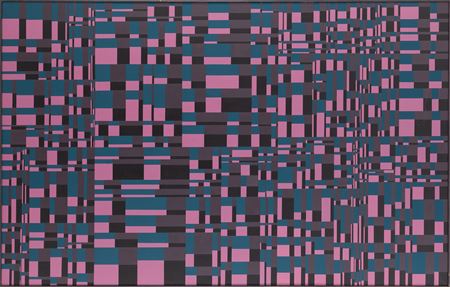
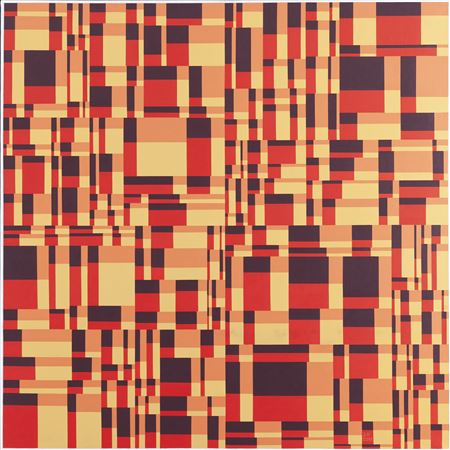
From the 1970s Jan Pamula created works inspired by geometric abstraction. As he himself said, it was a "period of change" for him, when, influenced by the philosophy of Hegel, Kierkegaard and Swedenborg, he began to gradually depart from his early aesthetics of poetic and metaphorical compositions towards the order of geometry.
The basic assumptions of art were then for Pamula the structure stabilizing the compositions and the color, which was an expression of the artist's feelings and expression.
Together with Philip Keller, the artist developed a computer program on which his geometric works were based. This system randomly planned the composition of the painting in such a way that the arrangement of its elements was unique and none of them appeared more than once.
On the other hand, the choice of color was up to the artist and depended on his mood or momentary observations. Regardless of the use of computer technology, the artist was inspired by stained glass - a significant part of his works refer to this form of art in terms of shape and colors. The artist's actions were supported by deep philosophical deliberations and a fascination with mysticism.