Page loaded successfully. Showing biography for John Copnall.
John Copnall BIOGRAPHY
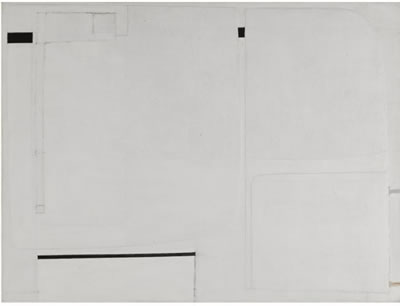
1928 - 2007. Known for: Painting.
John Copnall studied at the Royal Academy in 1949 under Henry Rushbury. He painted for a number of years in Spain before taking up a teaching post at the Central School of Art & Design. He was a... Read full biography
John Copnall studied at the Royal Academy in 1949 under Henry Rushbury. He painted for a number of years in Spain before taking up a teaching post at the Central School of Art & Design. He was a visiting lecturer at Canterbury College of Art and a member of The London Group from 1989. On his return... Read full biography
John Copnall studied at the Royal Academy in 1949 under Henry Rushbury. He painted for a number of years in Spain before taking up a teaching post at the Central School of Art & Design. He was a visiting lecturer at Canterbury College of Art and a member of The London Group from 1989. On his return from Spain in 1968, Copnall became more familiar with Abstract Expressionists and Colour Field Americans such as Barnett Newman and Mark Rothko. Whilst Copnall's work became more avowedly abstract,... Read full biography
John Copnall studied at the Royal Academy in 1949 under Henry Rushbury. He painted for a number of years in Spain before taking up a teaching post at the Central School of Art & Design. He was a visiting lecturer at Canterbury College of Art and a member of The London Group from 1989. On his return from Spain in 1968, Copnall became more familiar with Abstract Expressionists and Colour Field Americans such as Barnett Newman and Mark Rothko. Whilst Copnall's work became more avowedly abstract, the boldness of Pop Art clearly impacted his colours. In 1972 he had a solo exhibition at the Institute of Contemporary Art, and he won the Arts Council Awards, 1972-1973.... Read full biography
John Copnall studied at the Royal Academy in 1949 under Henry Rushbury. He painted for a number of years in Spain before taking up a teaching post at the Central School of Art & Design. He was a visiting lecturer at Canterbury College of Art and a member of The London Group from 1989. On his return from Spain in 1968, Copnall became more familiar with Abstract Expressionists and Colour Field Americans such as Barnett Newman and Mark Rothko. Whilst Copnall's work became more avowedly abstract, the boldness of Pop Art clearly impacted his colours. In 1972 he had a solo exhibition at the Institute of Contemporary Art, and he won the Arts Council Awards, 1972-1973.... Read full biography
Artist Biography
Biography page for John Copnall ((1928 - 2007)), known for Painting. Showing 2 biographical entries and 0 sample artworks.
John Copnall - Artist Info
About John Copnall
Biography from Christie's London, South Kensington
John Copnall studied at the Royal Academy in 1949 under Henry Rushbury. He painted for a number of years in Spain before taking up a teaching post at the Central School of Art & Design. He was a visiting lecturer at Canterbury College of Art and a member of The London Group from 1989.
On his return from Spain in 1968, Copnall became more familiar with Abstract Expressionists and Colour Field Americans such as Barnett Newman and Mark Rothko. Whilst Copnall's work became more avowedly abstract, the boldness of Pop Art clearly impacted his colours. In 1972 he had a solo exhibition at the Institute of Contemporary Art, and he won the Arts Council Awards, 1972-1973.Biography from Sotheby's London Benefit Auctions
John Copnall famously stated that 'painting is colour and colour is painting'. Indeed, colour was the distinctive force of his work, most of which is dominated by intense Mediterranean hues. Copnall's passion for colour was born out of a visit to Barcelona which had such a profound impact on the artist that he remained there for 15 years.
A graduate of the Royal Academy, he has exhibited widely in Britain and Europe, including at the Piccadilly Gallery, London and Austin/Desmond Fine Art, London. He was awarded the Turner Gold Medal for Landscape Painting in 1955 and the British Council Award in 1979.