Page loaded successfully. Showing biography for Kenneth Baker.
Kenneth Baker BIOGRAPHY
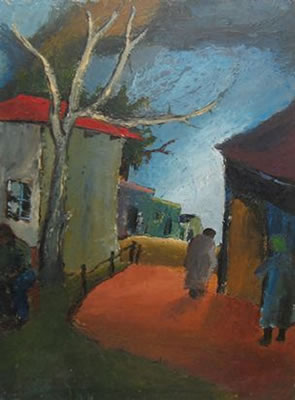
1921/1931 Cape Town, South Africa - 1996/1995 Cape Town, South Africa. Known for: Modernist painting, marine, figure, town genre, landscape.
Cecil Kenneth Baker (1931 - 1995). An impressionist in style and inclination, Kenneth Baker always filled his work with people he could relate to, and characters he understood intimately. Painted... Read full biography
Cecil Kenneth Baker (1931 - 1995). An impressionist in style and inclination, Kenneth Baker always filled his work with people he could relate to, and characters he understood intimately. Painted with the utmost compassion, the working class subjects of his paintings became real people with real... Read full biography
Cecil Kenneth Baker (1931 - 1995). An impressionist in style and inclination, Kenneth Baker always filled his work with people he could relate to, and characters he understood intimately. Painted with the utmost compassion, the working class subjects of his paintings became real people with real problems, often unable to extricate themselves from the vicious cycle of poverty, despair and degradation. Baker was a self-taught artist and found inspiration in the work of Gregoire Boonzaier in terms... Read full biography
Cecil Kenneth Baker (1931 - 1995). An impressionist in style and inclination, Kenneth Baker always filled his work with people he could relate to, and characters he understood intimately. Painted with the utmost compassion, the working class subjects of his paintings became real people with real problems, often unable to extricate themselves from the vicious cycle of poverty, despair and degradation. Baker was a self-taught artist and found inspiration in the work of Gregoire Boonzaier in terms of style and subject matter. Before commencing a career as a full-time artist, Baker worked as a sign writer in the Cape Town docks, where he immersed himself in the lives of the fisher folk. The accurate and poignant depictions of harbour scenes,... Read full biography
Cecil Kenneth Baker (1931 - 1995). An impressionist in style and inclination, Kenneth Baker always filled his work with people he could relate to, and characters he understood intimately. Painted with the utmost compassion, the working class subjects of his paintings became real people with real problems, often unable to extricate themselves from the vicious cycle of poverty, despair and degradation. Baker was a self-taught artist and found inspiration in the work of Gregoire Boonzaier in terms of style and subject matter. Before commencing a career as a full-time artist, Baker worked as a sign writer in the Cape Town docks, where he immersed himself in the lives of the fisher folk. The accurate and poignant depictions of harbour scenes, and fishermen handling or selling their catches became a consistent theme throughout his oeuvre. District Six's vibrancy and its cha... Read full biography
Artist Biography
Biography page for Kenneth Baker ((1921/1931 - 1996/1995)), known for Modernist painting, marine, figure, town genre, landscape. Showing 2 biographical entries and 0 sample artworks.
Kenneth Baker - Artist Info
About Kenneth Baker
Name variants
Cecil Kenneth Baker
Biography from the Archives of askART
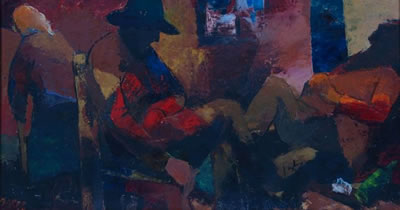 Cecil Kenneth Baker (1931 - 1995)
An impressionist in style and inclination, Kenneth Baker always filled his work with people he could relate to, and characters he understood intimately. Painted with the utmost compassion, the working class subjects of his paintings became real people with real problems, often unable to extricate themselves from the vicious cycle of poverty, despair and degradation.
Baker was a self-taught artist and found inspiration in the work of Gregoire Boonzaier in terms of style and subject matter. Before commencing a career as a full-time artist, Baker worked as a sign writer in the Cape Town docks, where he immersed himself in the lives of the fisher folk. The accurate and poignant depictions of harbour scenes, and fishermen handling or selling their catches became a consistent theme throughout his oeuvre.
District Six's vibrancy and its characters provided Baker with the most suitable subject matter in terms of atmosphere and emotional content. Baker's family was forcibly removed from the Claremont area under the Group Areas Act of the 1960s, and he could intuitively capture and communicate the emotional impact of despair, desperation and grief, that typified life in the fateful history of District Six. In Baker's paintings, the District Six buildings and houses became much more than just that - they were transformed into harbingers of their fate, and the impending doom and crisis awaiting those who lived their lives in them.
Working as a coloured professional artist, Baker struggled to support his family under the discriminatory laws of Apartheid. His paintings were usually under-priced to ensure a sale, although he also liked the idea that it made his work more accessible to people who would otherwise not be able to afford it. The underlying tragedy in Baker's compassionate paintings - groups of friends drinking and partying in an effort to find temporary solace and comfort from their pain and problems through alcohol - also became his tragedy, and in the end, subject and artist became one.
Reference
Kenneth Baker - A Retrospective Exhibition, Press release: Arts Association of Bellville, 1999
Source:
Johans Borman Fine ArtBiography from Strauss & Co Cape Town
Kenneth Baker was born in Cape Town in 1921. His father, a house painter, recognized and encouraged his son's artistic talent.
Before pursuing a career as a full-time artist, Baker became a sign writer at the Cape Town Docks. This setting would serve as subject matter for some of Baker’s paintings, including fishermen and harbour scenes. His oeuvre additionally included landscapes, still lifes, and depictions of daily life for many in the Cape Flats, Bo-Kaap, and District Six. Baker had an expressive and compassionate style and was also greatly influenced by Gregoire Boonzaier, who later became a mentor and taught him impressionist colour theory.
Baker participated in many group shows and held thirteen solo exhibitions. He was a prolific artist who often sold his works for low prices; partly as a necessity to support his family and partly to make his art more accessible to the general public.