Page loaded successfully. Showing biography for Luc Lafnet.
Luc Lafnet BIOGRAPHY
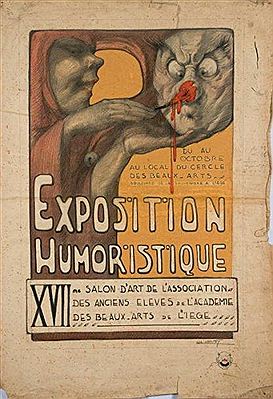
1899 Liege, Belgium - 1939 Rueil-Malmaison. Known for: Erotic female figure painting, nudes.
Luc Lafnet was born in Liège, Belgium, and studied at the Académie des Beaux-Arts there; among his teachers were Émile Berchmans and Adrien de Witte. His technical mastery of the etching* process... Read full biography
Luc Lafnet was born in Liège, Belgium, and studied at the Académie des Beaux-Arts there; among his teachers were Émile Berchmans and Adrien de Witte. His technical mastery of the etching* process made Luc Lafnet the obvious heir of the great Belgian etchers of the previous generation, Félicien... Read full biography
Luc Lafnet was born in Liège, Belgium, and studied at the Académie des Beaux-Arts there; among his teachers were Émile Berchmans and Adrien de Witte. His technical mastery of the etching* process made Luc Lafnet the obvious heir of the great Belgian etchers of the previous generation, Félicien Rops, Armand Rassenfosse, Henri Thomas and Fernand Khnopff, and like them he was naturally drawn to a Symbolist* aesthetic. In 1916, Lafnet exhibited for the first time, and the following year he founded... Read full biography
Luc Lafnet was born in Liège, Belgium, and studied at the Académie des Beaux-Arts there; among his teachers were Émile Berchmans and Adrien de Witte. His technical mastery of the etching* process made Luc Lafnet the obvious heir of the great Belgian etchers of the previous generation, Félicien Rops, Armand Rassenfosse, Henri Thomas and Fernand Khnopff, and like them he was naturally drawn to a Symbolist* aesthetic. In 1916, Lafnet exhibited for the first time, and the following year he founded the group Les Hiboux (the Owls). A finalist for the Prix de Rome* in 1920, Lafnet won the Prix Donnay in 1922. In 1923, Luc Lafnet married Jeanne van Malderen and moved to Paris. There, Lafnet became closely associated with artists such as Jean... Read full biography
Luc Lafnet was born in Liège, Belgium, and studied at the Académie des Beaux-Arts there; among his teachers were Émile Berchmans and Adrien de Witte. His technical mastery of the etching* process made Luc Lafnet the obvious heir of the great Belgian etchers of the previous generation, Félicien Rops, Armand Rassenfosse, Henri Thomas and Fernand Khnopff, and like them he was naturally drawn to a Symbolist* aesthetic. In 1916, Lafnet exhibited for the first time, and the following year he founded the group Les Hiboux (the Owls). A finalist for the Prix de Rome* in 1920, Lafnet won the Prix Donnay in 1922. In 1923, Luc Lafnet married Jeanne van Malderen and moved to Paris. There, Lafnet became closely associated with artists such as Jean Hélion, with whom he exhibited. Like Rops, Luc Lafnet was drawn to erotic and forbidden subject matter, and as a consequence much of his wor... Read full biography
Artist Biography
Biography page for Luc Lafnet ((1899 - 1939)), known for Erotic female figure painting, nudes. Showing 2 biographical entries and 0 sample artworks.
Luc Lafnet - Artist Info
About Luc Lafnet
Biography from the Archives of askART
 Luc Lafnet was born in Liège, Belgium, and studied at the Académie des Beaux-Arts there; among his teachers were Émile Berchmans and Adrien de Witte. His technical mastery of the etching* process made Luc Lafnet the obvious heir of the great Belgian etchers of the previous generation, Félicien Rops, Armand Rassenfosse, Henri Thomas and Fernand Khnopff, and like them he was naturally drawn to a Symbolist* aesthetic.
In 1916, Lafnet exhibited for the first time, and the following year he founded the group Les Hiboux (the Owls). A finalist for the Prix de Rome* in 1920, Lafnet won the Prix Donnay in 1922.
In 1923, Luc Lafnet married Jeanne van Malderen and moved to Paris. There, Lafnet became closely associated with artists such as Jean Hélion, with whom he exhibited. Like Rops, Luc Lafnet was drawn to erotic and forbidden subject matter, and as a consequence much of his work was published in a clandestine or semi-clandestine manner, often under pseudonyms such as Viset, Lucas O., Grim, and Jim Black.
Some of Luc Lafnet's work, for instance his suite of etchings for Restif de la Bretonne's La Pied de Fanchette, has a distinctly Art Deco* cast; some makes a bow to the "galante" tradition of French erotica.
In contrast to this erotic work, Luc Lafnet also devoted a considerable amount of his energies between 1935 and 1936 in creating Stations of the Cross for various churches. Lafnet's interest in abstraction and modernism can be seen in his drawings for the second number of the revue Cercle et carré in 1930.
See: Catalogue of the retrospective exhibition Approche de Luc Lafnet, Affaires Culturelles de la Ville de Liège, 1976.
Source:
Idbury Prints
http://idburyprints.com/index.php?page=artist_view_details.php&arid=485
* For references for these terms and others, see AskART Glossary http://www.askart.com/AskART/lists/Art_Definition.aspxBiography from De Baecque & Associés
Luc Lafnet, born in Liège in 1899 and died in Rueil-Malmaison in 1939 is a curious and fascinating creator. Painter and draftsman, he is one of the pioneers of comics and probably one of the creators of the character of Spirou.
Specialist in the erotic universe, he illustrates in particular Beaudelaire, Sade and his friend Georges Simenon and gives many sheets for the famous collection Les Orties Blanches, specialized in flagellation.
His very free painting, alternating formal fantasy, expressionist gravity and delirious imagination, deserves, like that of André Devambez (1867-1944) to be rediscovered and considered