Page loaded successfully. Showing biography for Marcel-Lenoir.
Marcel-Lenoir BIOGRAPHY
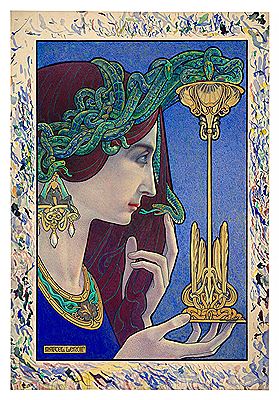
1872 - 1931. Known for: Figure, landscape painting.
Marcel-Lenoir was born Jules Oury on May 12, 1872 in Montauban, France. Marcel-Lenoir moved to Paris in 1889 and attended l'École des Arts Décoratifs for six months. He was greatly influenced by... Read full biography
Marcel-Lenoir was born Jules Oury on May 12, 1872 in Montauban, France. Marcel-Lenoir moved to Paris in 1889 and attended l'École des Arts Décoratifs for six months. He was greatly influenced by Italian painters represented at the Louvre and works from the Middle Ages at the Cluny museum.... Read full biography
Marcel-Lenoir was born Jules Oury on May 12, 1872 in Montauban, France. Marcel-Lenoir moved to Paris in 1889 and attended l'École des Arts Décoratifs for six months. He was greatly influenced by Italian painters represented at the Louvre and works from the Middle Ages at the Cluny museum. Marcel-Lenoir's highly stylized Symbolist works came before the turn of the 20th century. He participated in the Salons de Rose-Croix, which began in 1892. This group of artists used Catholic symbolism and... Read full biography
Marcel-Lenoir was born Jules Oury on May 12, 1872 in Montauban, France. Marcel-Lenoir moved to Paris in 1889 and attended l'École des Arts Décoratifs for six months. He was greatly influenced by Italian painters represented at the Louvre and works from the Middle Ages at the Cluny museum. Marcel-Lenoir's highly stylized Symbolist works came before the turn of the 20th century. He participated in the Salons de Rose-Croix, which began in 1892. This group of artists used Catholic symbolism and symbols from the occult in their paintings. The Salons de la Rose-Croix were conceived and presented by Péladan as gestes esthétiques; it was to be a synthesis of the visual arts, literature and music. He also produced beautiful lithographs including... Read full biography
Marcel-Lenoir was born Jules Oury on May 12, 1872 in Montauban, France. Marcel-Lenoir moved to Paris in 1889 and attended l'École des Arts Décoratifs for six months. He was greatly influenced by Italian painters represented at the Louvre and works from the Middle Ages at the Cluny museum. Marcel-Lenoir's highly stylized Symbolist works came before the turn of the 20th century. He participated in the Salons de Rose-Croix, which began in 1892. This group of artists used Catholic symbolism and symbols from the occult in their paintings. The Salons de la Rose-Croix were conceived and presented by Péladan as gestes esthétiques; it was to be a synthesis of the visual arts, literature and music. He also produced beautiful lithographs including one published by l'Estampe Moderne. In 1902 he returned to Montauban and began to write poetry and paint landscapes. As early as... Read full biography
Artist Biography
Biography page for Marcel-Lenoir ((1872 - 1931)), known for Figure, landscape painting. Showing 1 biographical entries and 0 sample artworks.
Marcel-Lenoir - Artist Info
About Marcel-Lenoir
Name variants
Jules Marcel Lenoir, Marcel Lenoir, Jules Oury
Biography from Papillon Gallery
Marcel-Lenoir was born Jules Oury on May 12, 1872 in Montauban, France.
Marcel-Lenoir moved to Paris in 1889 and attended l'École des Arts Décoratifs for six months. He was greatly influenced by Italian painters represented at the Louvre and works from the Middle Ages at the Cluny museum.
Marcel-Lenoir's highly stylized Symbolist works came before the turn of the 20th century. He participated in the Salons de Rose-Croix, which began in 1892. This group of artists used Catholic symbolism and symbols from the occult in their paintings. The Salons de la Rose-Croix were conceived and presented by Péladan as gestes esthétiques; it was to be a synthesis of the visual arts, literature and music. He also produced beautiful lithographs including one published by l'Estampe Moderne.
In 1902 he returned to Montauban and began to write poetry and paint landscapes. As early as 1912 he incorporated cubist elements in his technique. With his roots in Symbolism and modern style he produced allegorical paintings of beautiful god-like people playing in forests, which were typical of the Art Deco movement. In the 1920s he began to employ a pointillist technique, though his subjects remained consistent.
Marcel-Lenoir was also known for his frescoes, some with religious symbolism.
Marcel-Lenoir died in 1931 at the age of 59 in Montricoux. He left almost 700 paintings and drawings and his work is collected in the museums of Vienna and the Musée Marcel-Lenoir in Montauban.