Page loaded successfully. Showing biography for Moses Levy.
Moses Levy BIOGRAPHY
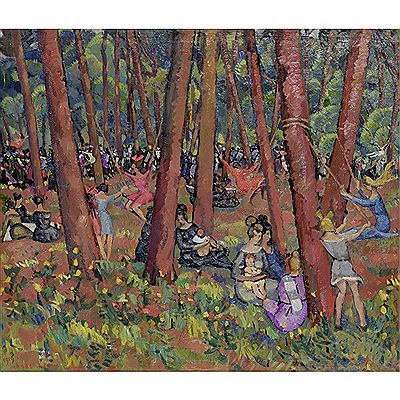
1885 Tunis, Italy - 1968 Viareggio, Italy. Known for: Modernist figure, genre and street scene painting.
Moses Levy spent his first years of study at an Italian school in Tunis, after which the Levy family moved to Italy due to his mother's frail health. In 1900, Levy enrolled in the Lucca Institute of... Read full biography
Moses Levy spent his first years of study at an Italian school in Tunis, after which the Levy family moved to Italy due to his mother's frail health. In 1900, Levy enrolled in the Lucca Institute of Art, where Lorenzo Viani was one of his classmates. In Florence, they were often to be found... Read full biography
Moses Levy spent his first years of study at an Italian school in Tunis, after which the Levy family moved to Italy due to his mother's frail health. In 1900, Levy enrolled in the Lucca Institute of Art, where Lorenzo Viani was one of his classmates. In Florence, they were often to be found together at the Academy of Fine Arts and Giovanni Fattori's School for Drawing Nudes. In 1907, Moses was invited to the Venice Biennial, to which he brought a number of engravings. During this period he... Read full biography
Moses Levy spent his first years of study at an Italian school in Tunis, after which the Levy family moved to Italy due to his mother's frail health. In 1900, Levy enrolled in the Lucca Institute of Art, where Lorenzo Viani was one of his classmates. In Florence, they were often to be found together at the Academy of Fine Arts and Giovanni Fattori's School for Drawing Nudes. In 1907, Moses was invited to the Venice Biennial, to which he brought a number of engravings. During this period he concentrated on drawing, and his style shows the influence of his teacher Fattori. While his family settled down in Rigoli, in the province of Pisa, Moses often returned to Tunis. There he painted subjects taken from the local culture, although he never... Read full biography
Moses Levy spent his first years of study at an Italian school in Tunis, after which the Levy family moved to Italy due to his mother's frail health. In 1900, Levy enrolled in the Lucca Institute of Art, where Lorenzo Viani was one of his classmates. In Florence, they were often to be found together at the Academy of Fine Arts and Giovanni Fattori's School for Drawing Nudes. In 1907, Moses was invited to the Venice Biennial, to which he brought a number of engravings. During this period he concentrated on drawing, and his style shows the influence of his teacher Fattori. While his family settled down in Rigoli, in the province of Pisa, Moses often returned to Tunis. There he painted subjects taken from the local culture, although he never forgot his Tuscan training. In 1911, he held his first solo show at the Tunis Chamber of Commerc... Read full biography
Artist Biography
Biography page for Moses Levy ((1885 - 1968)), known for Modernist figure, genre and street scene painting. Showing 1 biographical entries and 0 sample artworks.
Moses Levy - Artist Info
About Moses Levy
Biography from the Archives of askART
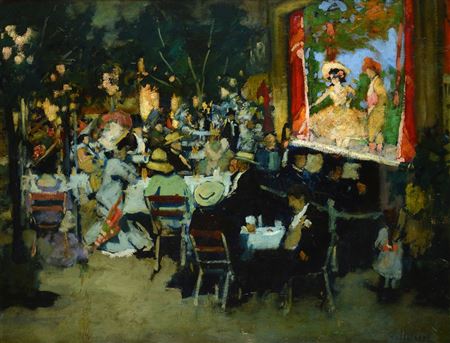 Moses Levy spent his first years of study at an Italian school in Tunis, after which the Levy family moved to Italy due to his mother's frail health. In 1900, Levy enrolled in the Lucca Institute of Art, where Lorenzo Viani was one of his classmates. In Florence, they were often to be found together at the Academy of Fine Arts and Giovanni Fattori's School for Drawing Nudes.
In 1907, Moses was invited to the Venice Biennial, to which he brought a number of engravings. During this period he concentrated on drawing, and his style shows the influence of his teacher Fattori. While his family settled down in Rigoli, in the province of Pisa, Moses often returned to Tunis. There he painted subjects taken from the local culture, although he never forgot his Tuscan training. In 1911, he held his first solo show at the Tunis Chamber of Commerce.
Until 1938, he participated in almost all the Venice Biennials, making numerous trips to Europe; he also had the opportunity to exhibit his work in Paris in 1932. During this period, his style turned away from Fattori's influence. What dominates his canvases is a Mediterranean feeling: the bold colors and the sights, scents, and sounds of the Arab market streets made a strong impression on him, revealing themselves in his paintings. His good middle-class Jewish roots merged together with the consciousness of the voyager, both finding expression in his seascapes of Viareggio and his pictures of the whitewashed walls of houses in Tunis.
Forced to leave Italy with the advent of the racial laws, Levy moved to Nice and during the war he returned to Tunis. After the war, he settled down first in Paris and then in Florence; finally in 1961, he moved permanently to Viareggio.
Source:
http://www.800artstudio.com/en/levy.php
Galleria d'Arte Bacci di Capaci, Luca
Written by Cecilia Iacopetti; Translated by Paola Ludovici and Nanette Cooper