Page loaded successfully. Showing biography for Paul Comolera.
Paul Comolera BIOGRAPHY
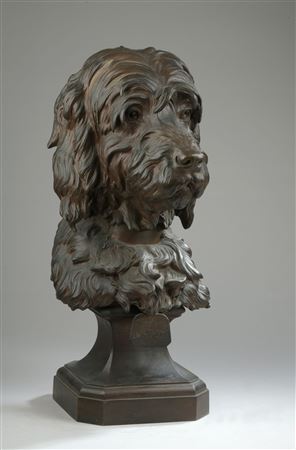
1818 - 1897. Known for: Realistic animal sculpture.
Paul Comolera (1818-1897). Paul Comolera was born in Paris in 1818 and died in Paris in 1897. A pupil of Francois Rude, he completed his studies of sculpture at the Rue d'Enfer. Comolera debuted at... Read full biography
Paul Comolera (1818-1897). Paul Comolera was born in Paris in 1818 and died in Paris in 1897. A pupil of Francois Rude, he completed his studies of sculpture at the Rue d'Enfer. Comolera debuted at the Paris Salon in 1846, ( where he exhibited regularly until his death ), with his sculpture... Read full biography
Paul Comolera (1818-1897). Paul Comolera was born in Paris in 1818 and died in Paris in 1897. A pupil of Francois Rude, he completed his studies of sculpture at the Rue d'Enfer. Comolera debuted at the Paris Salon in 1846, ( where he exhibited regularly until his death ), with his sculpture entitled, Golden Pheasants of China. Known for his realistic sculptures of farm animals and birds, Comolera is included in the elite school of French Animalier sculptors. His birds were naturalistic, lacking... Read full biography
Paul Comolera (1818-1897). Paul Comolera was born in Paris in 1818 and died in Paris in 1897. A pupil of Francois Rude, he completed his studies of sculpture at the Rue d'Enfer. Comolera debuted at the Paris Salon in 1846, ( where he exhibited regularly until his death ), with his sculpture entitled, Golden Pheasants of China. Known for his realistic sculptures of farm animals and birds, Comolera is included in the elite school of French Animalier sculptors. His birds were naturalistic, lacking the romantic style of his famous student Jules Moigniez. His sculpture is most detailed and anatomically accurate. Comolera's sculptures were edited, ( cast ), by A. Gougee and later by Susse Freres. His works were reproduced, "in faience", ( glazed... Read full biography
Paul Comolera (1818-1897). Paul Comolera was born in Paris in 1818 and died in Paris in 1897. A pupil of Francois Rude, he completed his studies of sculpture at the Rue d'Enfer. Comolera debuted at the Paris Salon in 1846, ( where he exhibited regularly until his death ), with his sculpture entitled, Golden Pheasants of China. Known for his realistic sculptures of farm animals and birds, Comolera is included in the elite school of French Animalier sculptors. His birds were naturalistic, lacking the romantic style of his famous student Jules Moigniez. His sculpture is most detailed and anatomically accurate. Comolera's sculptures were edited, ( cast ), by A. Gougee and later by Susse Freres. His works were reproduced, "in faience", ( glazed earthenware ), at Choisy by H. Boulanger & Company. His sculptures are signed... Read full biography
Artist Biography
Biography page for Paul Comolera ((1818 - 1897)), known for Realistic animal sculpture. Showing 1 biographical entries and 0 sample artworks.
Paul Comolera - Artist Info
About Paul Comolera
Name variants
Paul Colomera
Biography from the Archives of askART
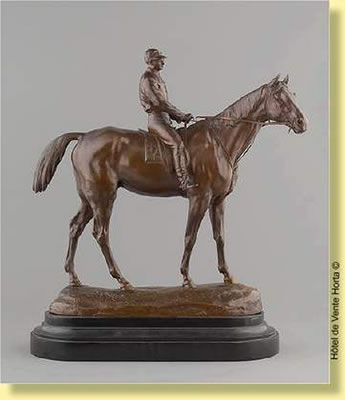 Paul Comolera (1818-1897)
Paul Comolera was born in Paris in 1818 and died in Paris in 1897. A pupil of Francois Rude, he completed his studies of sculpture at the Rue d'Enfer. Comolera debuted at the Paris Salon in 1846, ( where he exhibited regularly until his death ), with his sculpture entitled, Golden Pheasants of China. Known for his realistic sculptures of farm animals and birds, Comolera is included in the elite school of French Animalier sculptors. His birds were naturalistic, lacking the romantic style of his famous student Jules Moigniez. His sculpture is most detailed and anatomically accurate.
Comolera's sculptures were edited, ( cast ), by A. Gougee and later by Susse Freres. His works were reproduced, "in faience", ( glazed earthenware ), at Choisy by H. Boulanger & Company. His sculptures are signed P. Comolera in handwritten script.
Sources:
1. Dictionnaire des Peintres, Sculpteurs, Dessinateurs et Graveurs, E. Benezit, Librairie Grund, 1956;
2. Bronze Sculpture of "Les Animaliers", Jane Horswell, 1971;
3. Dr. Dave Welch